In the realm of gas sensing and environmental monitoring, laser oxygen sensors represent a significant technological advancement over traditional electrochemical or paramagnetic methods. These sensors utilize the fundamental principles of laser absorption spectroscopy to detect and measure oxygen (O2) concentrations with exceptional precision and reliability. At their core, they operate by directing a laser beam at a specific wavelength through a gas sample. Oxygen molecules absorb light at characteristic wavelengths, most notably in the near-infrared region. By measuring the attenuation of the laser light after it passes through the sample—a technique known as Tunable Diode Laser Absorption Spectroscopy (TDLAS)—the sensor can calculate the oxygen concentration with high accuracy. This method is highly selective because the laser is tuned precisely to an absorption line unique to oxygen, minimizing interference from other gases like water vapor or carbon dioxide.
The applications for laser oxygen sensors are vast and critical across numerous industries. In industrial safety, they are deployed for continuous emission monitoring and to ensure safe oxygen levels in confined spaces, preventing asphyxiation or combustion risks. Within the healthcare sector, they are integral to medical devices such as anesthetic monitors and ventilators, where precise, real-time measurement of breathable oxygen is non-negotiable for patient safety. The aerospace industry relies on them for cabin air quality monitoring and in-life support systems. Furthermore, they play a pivotal role in scientific research, including atmospheric studies and combustion analysis, where understanding oxygen dynamics is essential. Their ability to provide fast, in-situ measurements without consuming the gas sample makes them ideal for these demanding environments.
One of the most compelling advantages of laser oxygen sensors is their long-term stability and minimal maintenance requirements. Unlike electrochemical sensors, which have consumable components and can drift over time, laser-based systems have no moving parts in the sensing path and do not require frequent calibration. This leads to significantly lower total cost of ownership despite a higher initial investment. They are also known for their rapid response time, capable of detecting changes in oxygen levels within milliseconds, which is crucial for process control and safety alarms. Additionally, their performance is largely unaffected by changing background pressures or the presence of inert gases, offering robust operation in complex gas matrices.
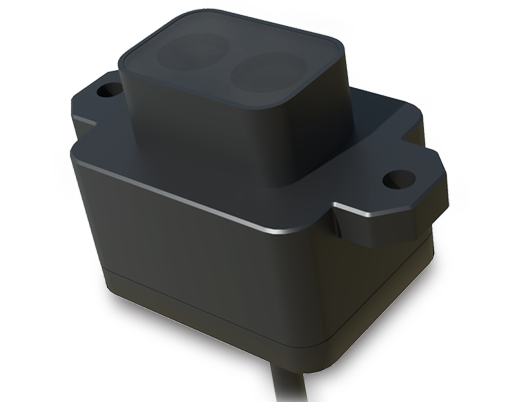
When selecting a laser oxygen sensor, several key specifications must be considered. Measurement range is paramount; some sensors are optimized for trace-level detection (ppm levels), while others are designed for percentage-level measurements in ambient air or industrial processes. Accuracy and precision specifications determine the reliability of the data. Environmental factors such as operating temperature range, pressure, and potential cross-sensitivities should align with the application's conditions. Finally, the physical design—whether it is an in-situ probe, an extractive system, or a compact OEM module—will dictate its integration into existing equipment or monitoring networks.

Looking ahead, the future of laser oxygen sensing is intertwined with broader trends in digitization and miniaturization. Advances in laser diode and photodetector technology are making sensors smaller, more energy-efficient, and less expensive. Integration with the Internet of Things (IoT) platforms allows for wireless, networked sensor arrays that provide comprehensive, cloud-based environmental monitoring solutions. These developments promise to expand the use of this precise technology into new areas like agriculture, food packaging, and personal environmental monitors, making high-accuracy oxygen sensing more accessible than ever before. As the technology matures, it continues to set a new standard for performance in gas detection, offering a blend of selectivity, speed, and durability that is hard to match with conventional alternatives.