In the world of industrial automation and machine safety, the ability to detect the presence or absence of an object without physical contact is paramount. Among the various technologies enabling this, magnetic proximity sensors stand out for their robustness, reliability, and simplicity. These sensors operate on a fundamental principle: they detect the presence of a magnetic field, typically generated by a permanent magnet. This interaction forms the basis for countless applications, from counting products on a conveyor belt to ensuring a machine door is securely closed.
The core working principle of most magnetic proximity sensors involves a reed switch or a solid-state Hall effect element. The classic reed switch type contains two ferromagnetic reeds sealed within a glass tube filled with inert gas. When a magnet approaches, the reeds become magnetized, attract each other, and make contact, closing an electrical circuit. When the magnet moves away, the reeds spring back to their original position, breaking the circuit. This simple, contact-based mechanism is highly effective but can be subject to mechanical wear over millions of cycles.
Modern designs increasingly utilize Hall effect sensors, which are solid-state and therefore have no moving parts. A Hall effect sensor generates a voltage difference (the Hall voltage) across an electrical conductor when a magnetic field is applied perpendicular to the current flow in the conductor. This voltage change is detected by integrated circuitry, which then switches the sensor's output. Hall effect sensors offer significantly longer operational life, higher switching frequencies, and greater resistance to shock and vibration compared to reed switches. Another variant, the magnetoresistive sensor, changes its electrical resistance in the presence of a magnetic field and is used for applications requiring high sensitivity and precision.
The advantages of magnetic proximity sensors are numerous. They are completely sealed, making them immune to dust, dirt, oil, and moisture—a critical feature in harsh industrial environments like metalworking, food processing, or outdoor applications. Their non-contact sensing eliminates mechanical wear on the target (the magnet) and allows for very high repeatability. They can detect through non-ferrous materials like aluminum, plastic, or stainless steel, enabling innovative mounting solutions where the sensor can be hidden or protected. Furthermore, they are generally simple to install and require minimal maintenance.
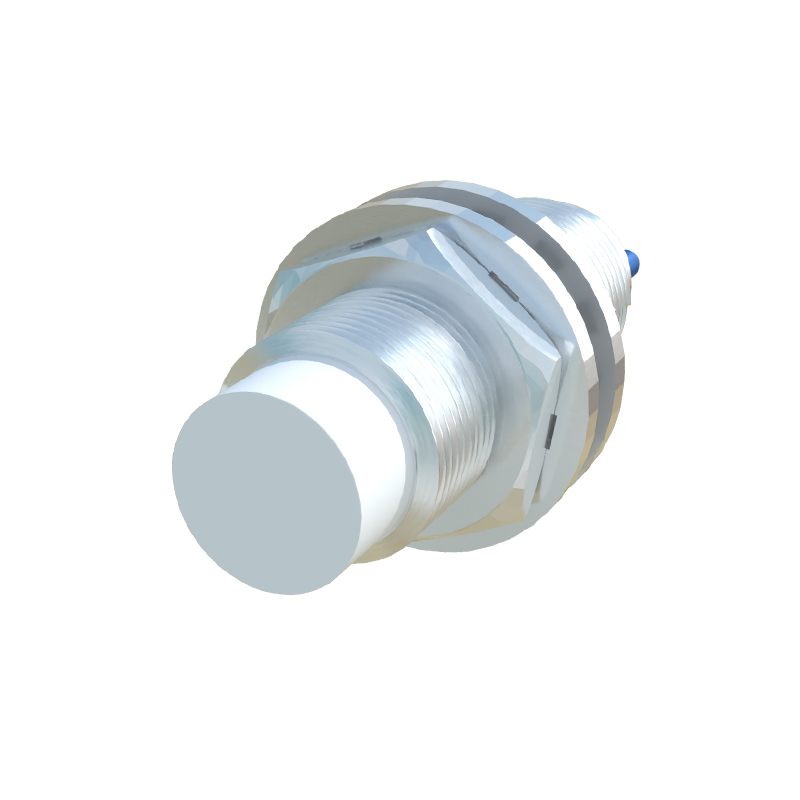
Typical applications are vast and varied. In factory automation, they are used for position sensing of cylinders, detecting the open/closed status of doors or guards, and in rotary encoders for speed measurement. In the automotive sector, they function as gear tooth sensors for anti-lock braking systems (ABS) and crankshaft position sensors. Consumer appliances like dishwashers and washing machines use them to monitor door latches. They are also essential in safety systems, ensuring protective covers are in place before machinery can operate.
Selecting the right magnetic proximity sensor requires careful consideration of several parameters. First, define the sensing distance required, which is typically short-range (a few millimeters to tens of millimeters). The sensor's switching frequency must match the speed of the application. The output type is crucial: common options include DC PNP (sourcing), NPN (sinking), or NAMUR (for hazardous areas), as well as analog outputs for distance-proportional signals. The housing material, usually nickel-plated brass, stainless steel, or plastic, must withstand the environmental conditions, including temperature extremes, chemical exposure, and potential washdowns. Electrical specifications like supply voltage, current consumption, and protection against reverse polarity and short circuits are equally important. Finally, the choice of the associated magnet (size, strength, and orientation) is integral to the system's performance.
Installation best practices involve ensuring correct alignment between the sensor and the magnet. The sensing distance can be drastically reduced by misalignment. Magnetic fields can be influenced or shielded by nearby ferrous metals, so the mounting environment must be considered. Always refer to the manufacturer's datasheet for precise specifications regarding sensing distances, which are typically defined with a standard reference magnet.

In conclusion, magnetic proximity sensors offer a durable, cost-effective, and versatile solution for non-contact position detection. Their sealed construction and reliable operation under tough conditions make them a cornerstone of modern industrial control systems. Whether opting for the traditional reed switch or the advanced solid-state Hall effect technology, understanding their principles and application requirements is key to implementing a successful and long-lasting sensing solution.