In the realm of industrial automation and control systems, proximity switches are indispensable components for non-contact detection of metallic objects. Among the various configurations available, 3-wire ECLO (Electronic Contactless Operation) proximity sensors stand out for their reliability, versatility, and widespread adoption. This article delves into the operational principles, wiring configurations, key advantages, and critical selection criteria for these essential devices.
Operational Principle and Core Technology
A 3-wire ECLO proximity switch operates on the principle of electromagnetic induction. The sensor's core contains an oscillator circuit that generates a high-frequency electromagnetic field from its active face. When a metallic target (ferrous or non-ferrous, depending on the sensor type) enters this detection field, it induces eddy currents. These currents dampen the oscillation amplitude, which is detected by a threshold circuit. This change triggers the solid-state switching element (typically a transistor) to change state, thereby providing a digital output signal. The "3-wire" designation refers to the three essential connections: a positive supply voltage (V+), a common ground (0V), and the switched output signal line. This design separates the power supply from the output, offering significant advantages over 2-wire models.
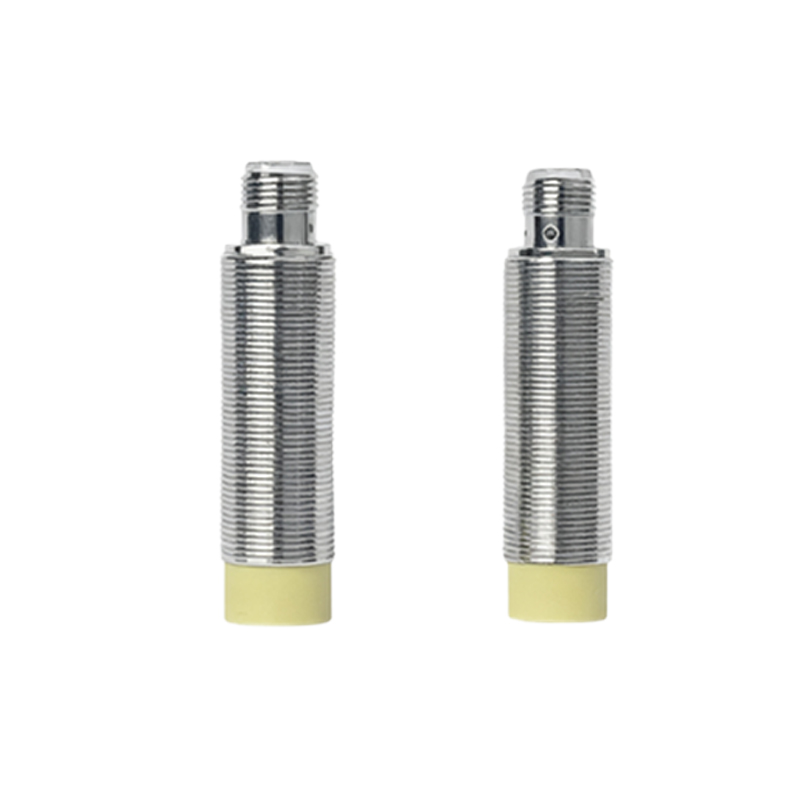
Standard Wiring Configurations and Output Types
Understanding the wiring is crucial for correct installation and operation. The three wires are universally color-coded for identification: Brown for the positive DC supply voltage (typically 10-30V DC), Blue for the common ground (0V), and Black for the output signal. There are two primary output types, defined by the transistor's configuration relative to the load:
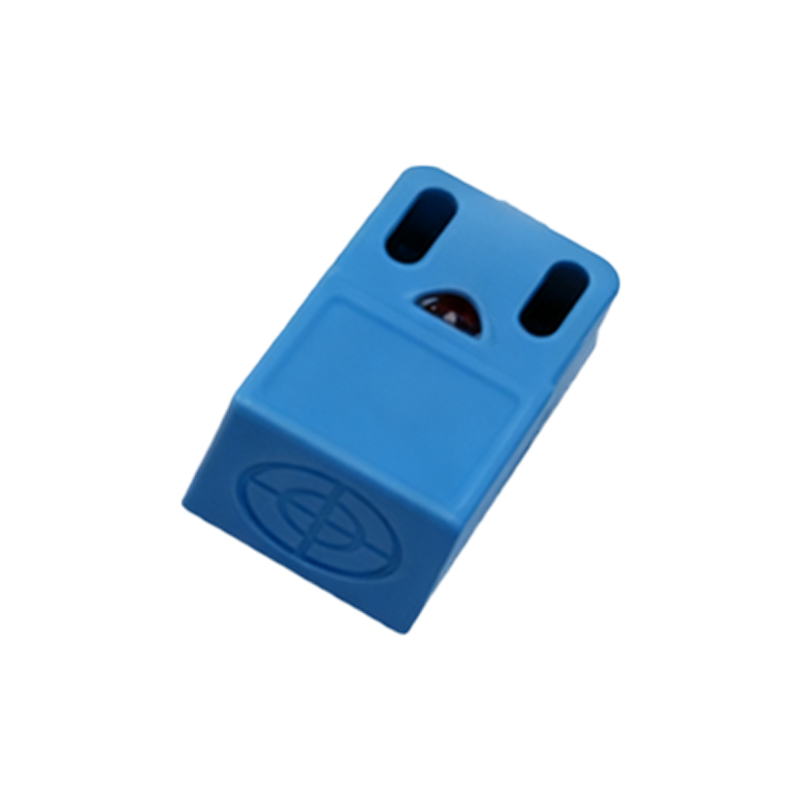
1. NPN (Sinking) Output: The Black output wire is connected to the load, and the load's other side is connected to the positive supply (V+). When activated, the NPN transistor sinks current from the load to ground (Blue wire). This configuration is often described as "negative switching."
2. PNP (Sourcing) Output: The Black output wire is connected to the load, and the load's other side is connected to ground (0V). When activated, the PNP transistor sources current from the positive supply (Brown wire) to the load. This is termed "positive switching."
The choice between NPN and PNP is dictated by the control system's input module requirements (e.g., PLC). It is paramount to match the sensor's output type with the controller's expected input logic to ensure proper interface.
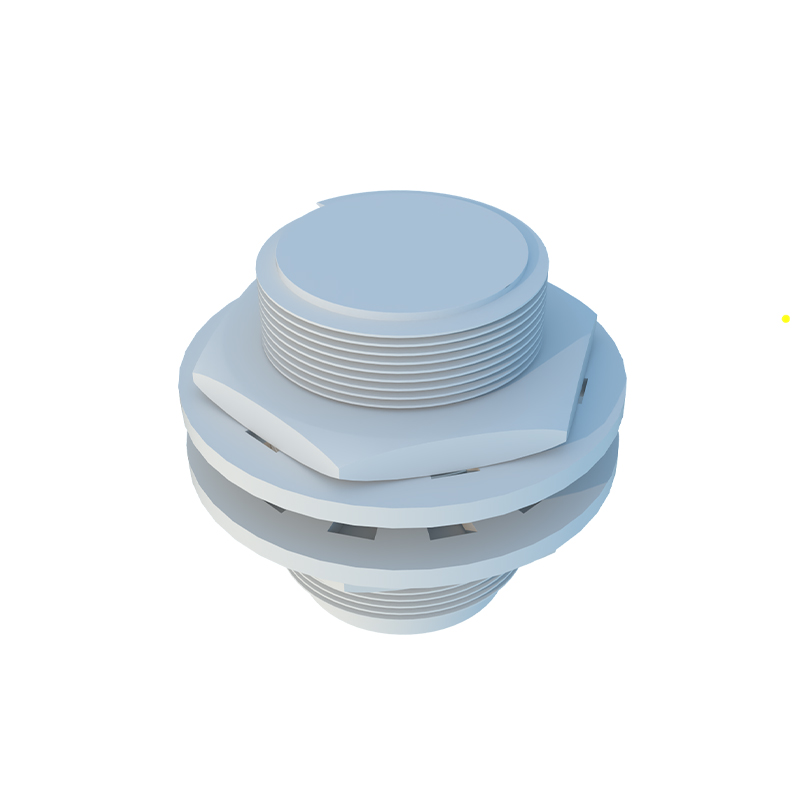
Key Advantages in Industrial Settings
The 3-wire design confers several benefits over 2-wire (loop-powered) sensors:
Lower Voltage Drop: Since the output circuit is separate from the power supply circuit, there is minimal residual voltage drop across the sensor when switched "ON." This ensures the full supply voltage is available to the connected load (e.g., a PLC input), improving signal integrity and noise immunity.
Higher Switching Current Capacity: They can typically handle higher load currents, allowing direct control of small relays, lamps, or solenoids without an intermediate amplifier.
Short-Circuit and Reverse Polarity Protection: Most modern ECLO 3-wire sensors incorporate built-in protection against accidental wiring faults, enhancing durability and reducing downtime.
Diverse Output Options: Beyond standard switching, many models offer complementary NO/NC outputs, analog current (4-20mA) or voltage (0-10V) outputs, and IO-Link digital communication for advanced diagnostics and parameterization.
Selection Criteria and Application Considerations
Selecting the correct 3-wire ECLO sensor requires careful analysis of the application parameters:
Sensing Distance: The rated operating distance (Sn) must be chosen with a safety margin (typically 70-80% of Sn) to account for target material, size, temperature variations, and installation tolerances.
Target Material: Inductive sensors are primarily for metals. Ferrous targets (steel, iron) are detected at the full nominal range, while non-ferrous metals (aluminum, copper) have a reduced sensing distance.
Output Configuration: Decide between NPN or PNP based on the control system. Also, choose between Normally Open (NO) or Normally Closed (NC) logic functions.
Environmental Rating: The housing material (often nickel-plated brass or stainless steel) and ingress protection rating (e.g., IP67, IP69K) must withstand the operational environment, including exposure to coolants, oils, dust, and high-pressure washdowns.
Electrical Specifications: Verify the operating voltage range, current consumption, and switching frequency (response time) to ensure compatibility with the machine cycle time.
In conclusion, the 3-wire