In the world of industrial automation, robotics, and smart systems, the ability to detect the presence, absence, or distance of an object without physical contact is paramount. Among the various technologies enabling this capability, laser proximity sensors stand out for their exceptional precision, speed, and reliability. Unlike traditional mechanical limit switches or ultrasonic sensors, laser sensors utilize a focused beam of light to deliver highly accurate measurements, making them indispensable in modern manufacturing and beyond.
At its core, a laser proximity sensor operates on a straightforward principle. It emits a concentrated beam of coherent light—typically from a laser diode—towards a target. The sensor then analyzes the light that is reflected back. The two most common methods for determining distance are the triangulation method and the time-of-flight (ToF) method. In triangulation, the sensor has a receiving element (like a CCD or PSD array) positioned at a known angle from the emitter. The position where the reflected spot hits the receiver changes based on the target's distance, allowing for precise calculation. This method is excellent for short to medium ranges with high accuracy. The Time-of-Flight method, on the other hand, measures the time it takes for the laser pulse to travel to the target and back. Since the speed of light is constant, the sensor can compute the distance directly. ToF sensors are well-suited for longer ranges.
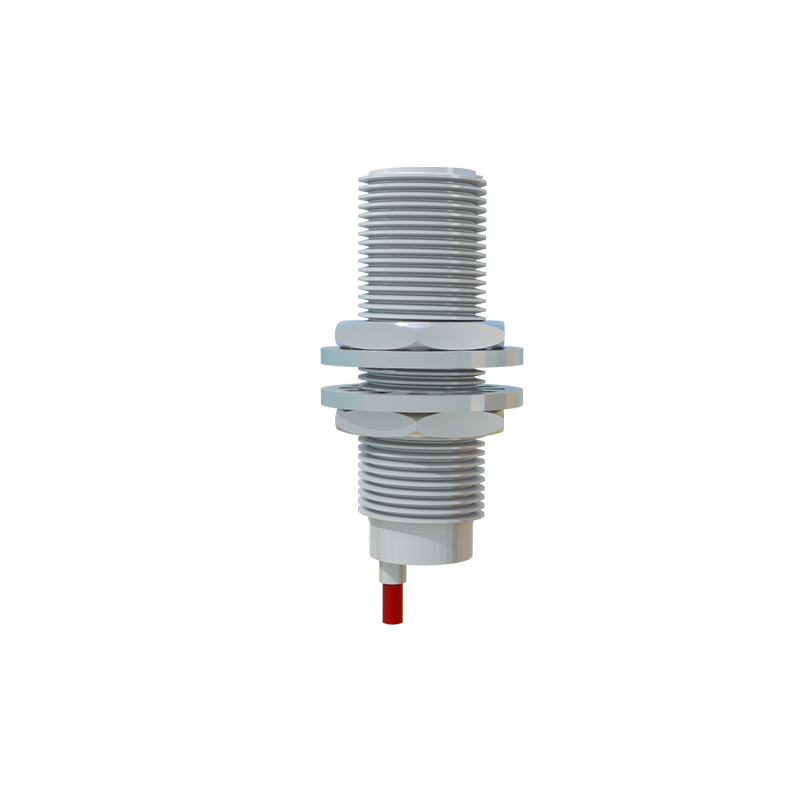
The advantages of using laser proximity sensors are numerous. Their primary benefit is unparalleled accuracy, often down to micrometer or sub-millimeter levels, depending on the model. They offer a very small sensing spot due to the focused beam, which allows for detecting tiny objects or precise edges. Laser sensors are also incredibly fast, with response times in the microsecond range, enabling use in high-speed production lines. Furthermore, they are largely unaffected by the target's material, color, or surface texture, unlike photoelectric sensors, which can struggle with dark or absorbent surfaces. Their ability to perform over relatively long distances compared to inductive or capacitive sensors adds to their versatility.
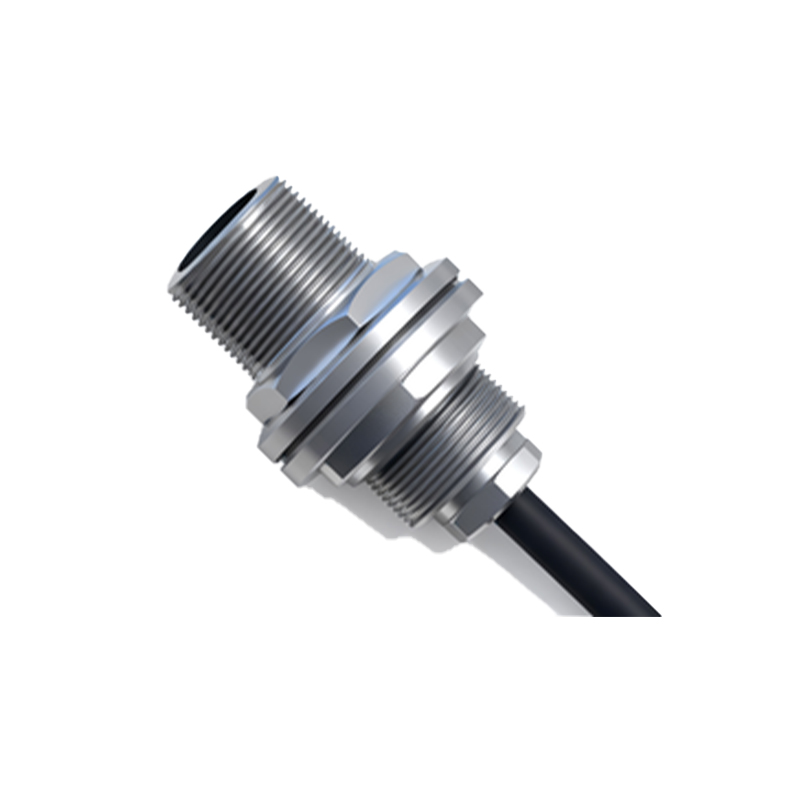
The applications of laser proximity sensors span a wide array of industries. In automotive manufacturing, they are used for precise gap and flush measurement between body panels. In electronics assembly, they ensure components are placed correctly on circuit boards. Within the packaging industry, they control the fill level in bottles or detect the precise position of labels. Robotics heavily relies on them for navigation, obstacle avoidance, and precise positioning of robotic arms. They are also crucial in logistics for dimensioning packages and in aerospace for alignment tasks.
Selecting the right laser proximity sensor requires careful consideration of several key parameters. First, define the required sensing range and the needed accuracy or resolution. Consider the environmental conditions: will the sensor be exposed to dust, moisture, or vibrations? Look for sensors with appropriate Ingress Protection (IP) ratings. The output type is also critical; common options include analog (4-20mA, 0-10V), digital (PNP/NPN), or serial communication (RS-232, Ethernet). The size of the sensor and its mounting options must fit the mechanical constraints of the application. Finally, evaluate the target characteristics—its size, color, and surface—to ensure reliable detection.
While powerful, laser sensors are not without limitations. They can be more expensive than other proximity sensor types. Their performance can be degraded by highly reflective surfaces, which may scatter the beam, or by transparent objects that allow the beam to pass through. Direct ambient sunlight can also interfere with the sensor's receiver. Therefore, a thorough assessment of the application environment is essential before deployment.
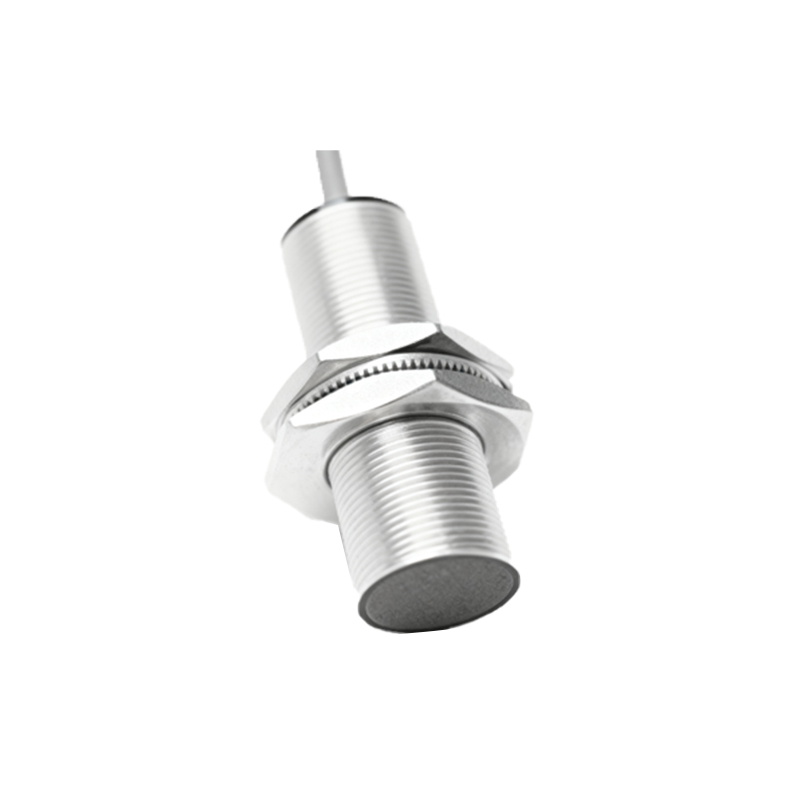
In conclusion, laser proximity sensors represent a sophisticated and highly effective solution for non-contact distance measurement and object detection. Their precision, speed, and flexibility have cemented their role as a critical component in advancing automation and quality control. By understanding their operating principles, strengths, and ideal use cases, engineers and system integrators can harness their capabilities to optimize processes, enhance safety, and drive innovation across countless fields. As technology progresses, we can expect these sensors to become even more compact, intelligent, and integrated into the interconnected systems of the Industry 4.0 landscape.