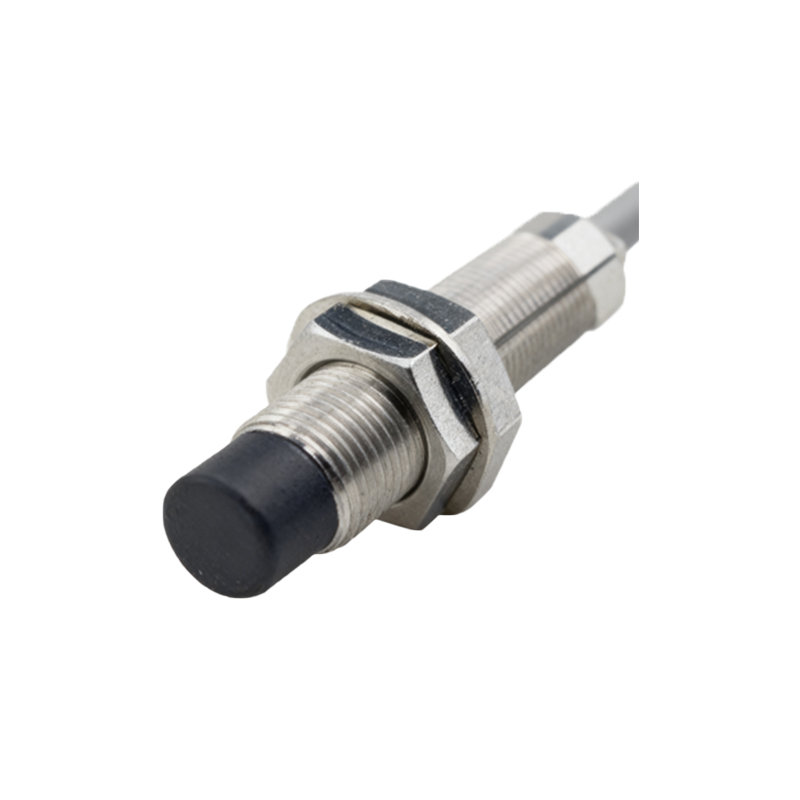
In the realm of industrial automation and power management, the ability to detect and measure high current flow without physical contact is paramount. High current proximity sensors, also known as current sensing switches or non-contact current detectors, fulfill this critical role. These sophisticated devices operate on the fundamental principle of electromagnetic induction. When an electrical conductor carries an alternating current (AC) or a pulsating direct current (DC), it generates a proportional alternating magnetic field around it. A high current proximity sensor is designed to detect this magnetic field. The core component is typically a sensing coil or a Hall-effect sensor. The coil-based sensors generate a voltage signal induced by the changing magnetic flux, while Hall-effect sensors produce a voltage proportional to the magnetic field strength itself. This generated signal is then processed by internal circuitry to provide a usable output, such as a switch signal or an analog value.
The applications for these sensors are vast and integral to modern industry. A primary use is in overload and fault protection within motor control centers, switchgear, and power distribution units. By continuously monitoring current levels, these sensors can trigger alarms or shutdown sequences if the current exceeds a predefined safe threshold, preventing equipment damage, fire hazards, and ensuring personnel safety. They are also indispensable in energy management systems, providing data for load profiling, power factor correction, and identifying inefficient machinery. In manufacturing, they are used to confirm the operation of high-power equipment like industrial heaters, large pumps, or welding machines by verifying that current is actually flowing when commanded. Furthermore, they play a role in condition monitoring, where trending current consumption can predict maintenance needs for motors and drives before a catastrophic failure occurs.
Selecting the right high current proximity sensor requires careful consideration of several key parameters. First is the current range. Sensors are rated for specific minimum and maximum detectable currents. It is crucial to choose a sensor whose range comfortably encompasses the normal and potential peak operating currents of the monitored conductor. The second factor is the type of current: AC, DC, or both. While many sensors are AC-only, specialized models exist for DC current detection, often utilizing Hall-effect technology. The third consideration is the output type. Discrete (digital) output sensors provide a simple ON/OFF signal when current exceeds a setpoint, ideal for protection and status indication. Analog output sensors (e.g., 4-20mA, 0-10V) provide a continuous signal proportional to the measured current, necessary for monitoring and control systems. Accuracy and response time are also critical; higher accuracy is needed for measurement, while faster response times are essential for protection circuits.
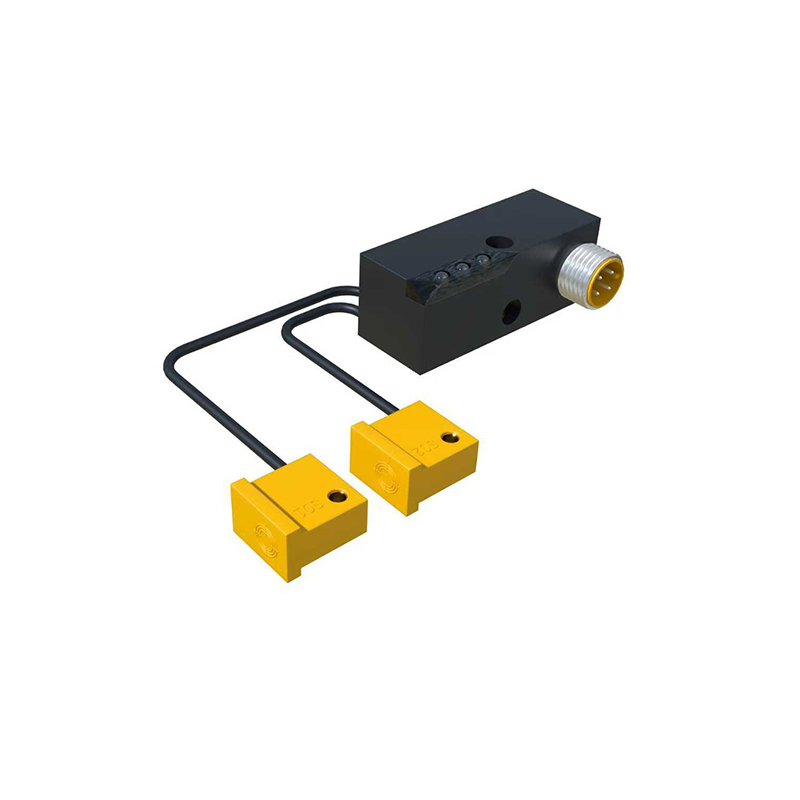
Installation and environmental factors cannot be overlooked. Most high current proximity sensors are designed as split-core or solid-core. Split-core sensors can be easily clamped around an existing conductor without disconnecting it, vastly simplifying installation and retrofitting. Solid-core sensors, where the conductor must be threaded through a central aperture, often offer higher accuracy and stability. The sensor must be rated for the environmental conditions, including ambient temperature, humidity, and the presence of dust, oils, or corrosive chemicals. Proper mounting, ensuring the conductor is centered within the sensor's aperture and away from strong external magnetic fields, is essential for reliable and accurate operation.

When integrating these sensors, it is important to understand their limitations. They measure the magnetic field, which can be influenced by the position of the conductor, the presence of other nearby current-carrying conductors, and ferrous metal objects. Electrical noise in industrial environments can also affect signal integrity, necessitating proper shielding and grounding of signal cables. Despite these considerations, the benefits are substantial. They enable true non-contact measurement, eliminating the need for breaking into current paths and the associated safety risks of traditional current transformers (CTs) or shunts. This non-invasive nature ensures system integrity and allows for easy installation and maintenance.
Advancements in technology continue to enhance the capabilities of high current proximity sensors. Modern units feature improved noise immunity, wider operating temperature ranges, and digital communication interfaces like IO-Link, which provide not only measured values but also diagnostic data. The integration of microprocessors allows for advanced features such as programmable setpoints, output hysteresis, and built-in data logging. As industries push towards greater electrification, smart grids, and Industry 4.0, the role of these intelligent sensing devices will only grow in importance, providing the essential data link between high-power electrical systems and digital control networks.