In the realm of industrial automation and machinery, the reliable detection of objects without physical contact is paramount. Among the various technologies available, the PG32 series of inductive proximity sensors has established itself as a robust and versatile solution. This article delves into the technical specifications, operational principles, application scenarios, and selection criteria for PG32 proximity sensors, providing a detailed guide for engineers and technicians.
The PG32 is a cylindrical, shielded inductive proximity sensor typically housed in an M30 threaded metal body, offering high mechanical strength and environmental resistance. Its core operating principle is based on electromagnetic induction. The sensor generates a high-frequency oscillating electromagnetic field from its active face. When a metallic object enters this detection field, eddy currents are induced within the object. This causes a change in the oscillation amplitude within the sensor's internal LC circuit. This change is detected, processed, and triggers a switching signal in the sensor's solid-state output. A key advantage of inductive sensors like the PG32 is their immunity to non-metallic materials such as dust, oil, water, and plastic chips, making them ideal for harsh industrial environments.
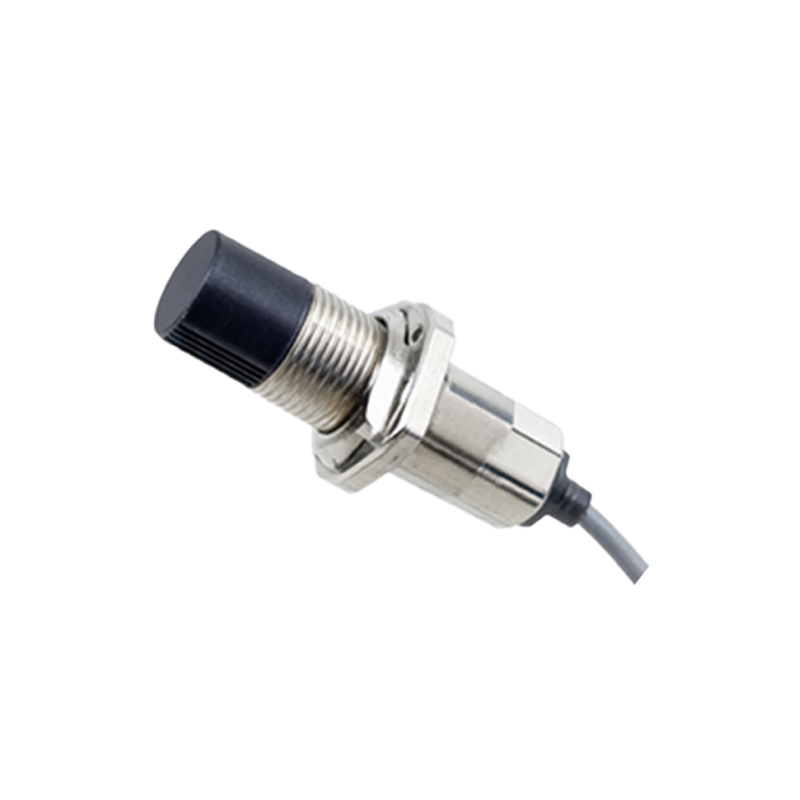
Technical specifications are critical for proper integration. The PG32 series commonly operates on a wide range of DC voltages (e.g., 10-30V DC) or AC voltages, with models featuring PNP (sourcing) or NPN (sinking) transistor outputs. The sensing distance, or nominal range, for a standard PG32 sensor is typically 15mm for mild steel targets. It is crucial to note that this sensing distance can vary with different metals; for instance, the effective range for stainless steel might be reduced, while for copper or aluminum, it is significantly less due to lower permeability and conductivity. Factors like temperature rating (commonly -25°C to +70°C), switching frequency (how many on/off cycles per second), housing material (often nickel-plated brass or stainless steel), and protection class (commonly IP67, indicating dust-tight and protection against temporary immersion) must be carefully matched to the application.
Installation and wiring require attention to detail. As a shielded (flush-mountable) type, the PG32 can be installed flush in a metal bracket without affecting its sensing characteristics, allowing for space-saving designs. However, maintaining the recommended clearance to adjacent metal surfaces is still advised to prevent false triggering. Wiring should follow the manufacturer's datasheet, correctly connecting the brown wire (typically +V), blue wire (0V or common), and black wire (load/output). Incorporating a protective circuit, such as a flyback diode for DC models or a surge suppressor for AC models, is highly recommended when switching inductive loads like solenoids or contactor coils to protect the sensor's output transistor from voltage spikes.
The application spectrum for PG32 sensors is vast. They are extensively used for position detection, such as verifying the presence of a metal part on a conveyor, confirming the end position of a cylinder piston (using a built-in metal piston ring), or counting metallic objects. In machine tools, they monitor tool presence or workpiece positioning. In packaging machinery, they detect metallic components of the packaging. Their robustness also makes them suitable for use in automotive assembly lines, material handling systems, and heavy machinery.
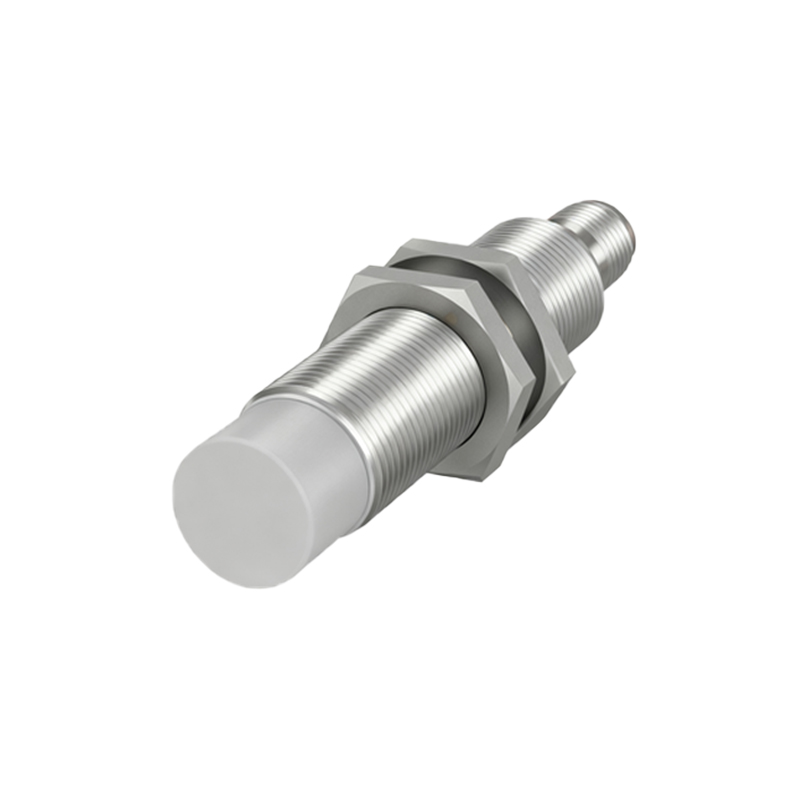
When selecting a PG32 sensor, consider the following: Target material (ferrous or non-ferrous metal), required sensing distance, environmental conditions (presence of coolants, oils, metal chips), electrical requirements (voltage, output type compatible with the PLC input), and physical space constraints. For sensing non-ferrous metals, specially factored models with adjusted sensing characteristics are available. Always consult the specific manufacturer's catalog for the exact model number that meets all application parameters.
In conclusion, the PG32 proximity sensor represents a mature, reliable technology for industrial object detection. Its durability, simplicity, and non-contact operation contribute to reduced maintenance and increased system uptime. By understanding its operating principles and meticulously matching its specifications to the application needs, engineers can ensure precise, reliable, and long-lasting performance in automated systems, from simple machinery to complex production lines.
