In the rapidly evolving landscape of industrial automation and smart systems, large-scale proximity sensors have emerged as fundamental components. These devices, designed to detect the presence, absence, or position of objects without physical contact, are the silent sentinels of modern manufacturing, logistics, and infrastructure. But what exactly constitutes a "large-scale" proximity sensor, and how do they function to deliver such critical data?
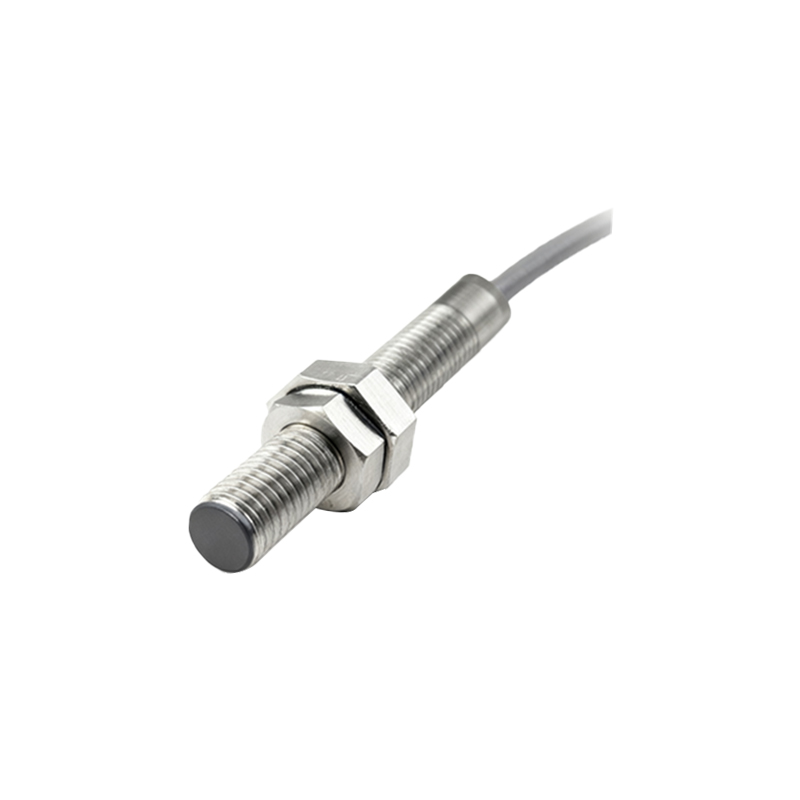
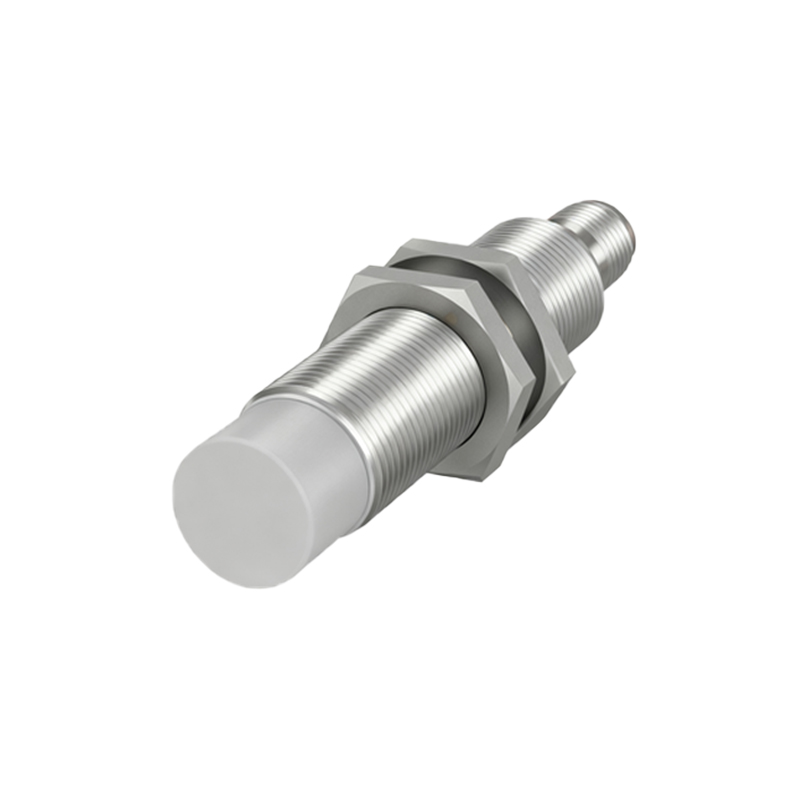
At their core, proximity sensors operate on various physical principles. The most common types for large-scale industrial applications include inductive, capacitive, ultrasonic, and photoelectric sensors. Inductive sensors are workhorses in metal detection, generating an electromagnetic field to sense metallic objects, making them ideal for assembly lines and robotic arms. Capacitive sensors, on the other hand, can detect both metallic and non-metallic materials like liquids, plastics, or wood by measuring changes in capacitance, proving invaluable in material handling and level detection systems.
The term "large-scale" often refers not necessarily to the sensor's physical size, but to the scope of its application or its sensing range and robustness. For instance, ultrasonic sensors can offer long-range detection capabilities, sometimes several meters, perfect for bulk material level monitoring in silos or vehicle detection in automated guided vehicle (AGV) systems. Photoelectric sensors, using light beams, provide highly precise and long-range solutions for object detection on vast conveyor systems or in packaging facilities, even in challenging environmental conditions with specialized variants resistant to dust or moisture.
The integration of these sensors into large-scale operations is what unlocks their true potential. In an automated warehouse, a network of photoelectric and ultrasonic sensors orchestrates the movement of goods, tracking inventory, and guiding robots. In automotive manufacturing, arrays of inductive sensors ensure components are correctly positioned for robotic welding with micron-level precision, enhancing both speed and quality control. The data harvested from these sensor networks feed into Programmable Logic Controllers (PLCs) and Supervisory Control and Data Acquisition (SCADA) systems, creating a responsive and intelligent operational environment.
Key advantages driving their adoption are numerous. First is reliability: non-contact sensing eliminates mechanical wear and tear, leading to higher durability and lower maintenance. Second is speed: these sensors can detect objects at incredibly high speeds, essential for fast-paced production lines. Third is versatility; with various types and housings, they can be deployed in extreme temperatures, corrosive environments, or areas with heavy vibration. Finally, they enhance safety by enabling machinery to "sense" human presence or obstructions, triggering emergency stops or warnings.
However, implementing large-scale proximity sensing solutions is not without challenges. Engineers must carefully consider factors like the sensing range required, the material of the target object, environmental interferences (e.g., dust, noise, other electromagnetic fields), and the required output signal. The choice between a discrete on/off sensor and an analog sensor providing distance-proportional output is crucial for the application's needs. Furthermore, the trend towards Industry 4.0 pushes for sensors with integrated IO-Link communication, allowing for detailed parameter setting, condition monitoring, and easier integration into the Industrial Internet of Things (IIoT) framework.
Looking ahead, the future of large-scale proximity sensing is intertwined with advancements in connectivity and intelligence. Smart sensors with built-in diagnostics and wireless capabilities are reducing installation complexity and downtime. The fusion of proximity data with other sensor inputs and artificial intelligence is paving the way for predictive maintenance and even more adaptive, self-optimizing manufacturing systems.
In conclusion, large-scale proximity sensors are far more than simple switches. They are sophisticated data points that form the sensory nervous system of contemporary industry. Their ability to provide reliable, fast, and non-contact detection across vast and complex operations makes them indispensable for achieving efficiency, safety, and automation goals. As technology progresses, their role will only become more central, driving the next wave of industrial innovation and productivity.