Laser sensors are critical components in modern industrial automation, providing precise non-contact measurement, detection, and positioning. However, disconnections or communication dropouts remain a frequent challenge for engineers and maintenance personnel. Understanding the root causes is essential for minimizing downtime and ensuring system reliability. This article explores the primary reasons behind laser sensor disconnections and offers practical troubleshooting guidance.
The most prevalent cause of laser sensor disconnections is electrical interference or noise within the industrial environment. High-power machinery, variable frequency drives (VFDs), welding equipment, and large motors generate significant electromagnetic interference (EMI) and radio frequency interference (RFI). This noise can couple onto communication cables (such as Ethernet, RS-485, or IO-Link) or power supply lines, corrupting data packets and causing the sensor to lose communication with the programmable logic controller (PLC) or host system. To mitigate this, ensure proper cable selection—using shielded, twisted-pair cables with the shield grounded at only one end. Maintain maximum physical separation between sensor cables and high-voltage power lines. Installing ferrite cores on cables near connection points can also suppress high-frequency noise.
Inadequate or unstable power supply is another fundamental issue. Laser sensors, especially those with high-speed communication protocols, require clean, stable voltage within their specified range (e.g., 10-30 VDC). Voltage sags, spikes, or ripple from an overloaded or poor-quality power supply can cause the sensor's internal circuitry to reset or malfunction, leading to intermittent dropouts. Always verify that the power supply unit (PSU) has sufficient current capacity with a safety margin. Using a dedicated, regulated power supply for sensitive sensors is recommended. Additionally, implement protective measures like surge suppressors in areas prone to lightning strikes or power grid fluctuations.
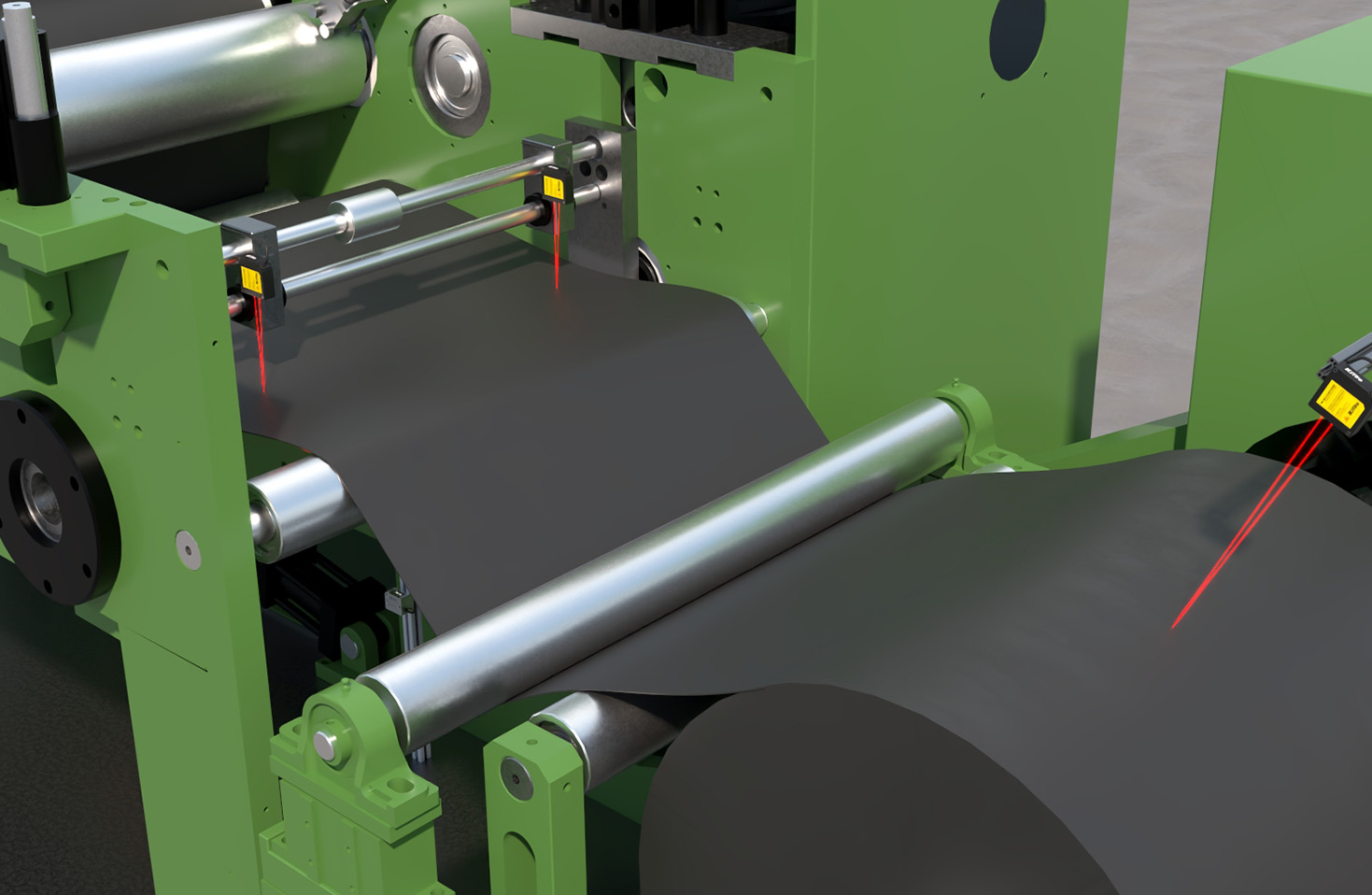
Physical connection failures are often overlooked but are a common source of problems. Vibration in machinery can loosen terminal blocks, connector screws, or cable glands over time. Corrosion or contamination from coolants, oils, or dust on electrical contacts increases resistance and disrupts signal integrity. Conduct regular inspections of all sensor connectors, junction boxes, and network switches. Use industrial-grade connectors with proper IP ratings for the environment. Ensure cables are securely strain-relieved to prevent wire fatigue at connection points. For critical applications, consider using mechanical locking connectors or applying thread-locking adhesive to screw terminals.
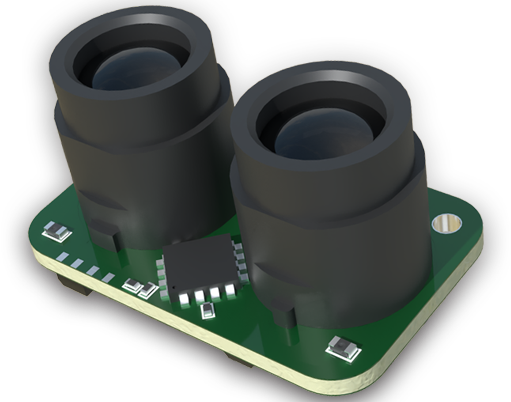
Environmental factors directly impact laser sensor performance. Excessive ambient temperature beyond the sensor's operating specification can cause thermal shutdown or erratic behavior. Condensation forming on optical windows or inside housings due to high humidity or rapid temperature cycles can scatter or block the laser beam, causing the sensor to fail and potentially report a communication error. Ensure sensors are rated for the specific environmental conditions (temperature, humidity, ingress protection). Providing adequate ventilation, sunshades, or installing protective enclosures with air purging can help stabilize the operating environment.
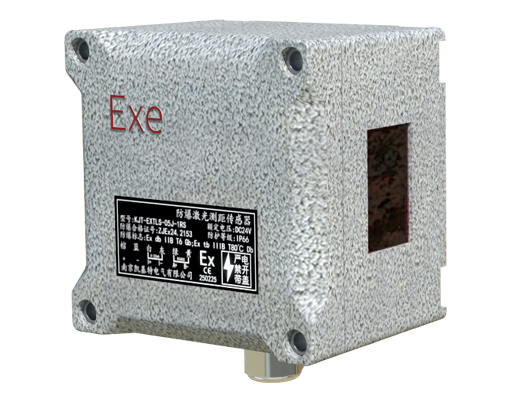
Configuration and software-related issues can also manifest as disconnections. Incorrectly set communication parameters (baud rate, parity, slave address) between the sensor and controller will prevent successful handshaking. Overly aggressive communication timeouts in the PLC program may interpret normal processing delays as a failure. Firmware bugs or incompatibilities, especially after system updates, can lead to unstable links. Always double-check parameter settings against the sensor's datasheet. Review and adjust PLC watchdog timers if necessary. Keep sensor firmware updated to the latest stable version provided by the manufacturer, and test updates in a non-production environment first.
Network infrastructure problems are specific to sensors using industrial Ethernet (Profinet, EtherNet/IP) or other network protocols. Network congestion, broadcast storms, incorrect IP address assignments, or faulty network switches can isolate a sensor on the network. Exceeding the maximum cable length for the protocol without repeaters degrades signal quality. Employ managed switches to monitor traffic and segment networks. Use network diagnostic tools to check for packet loss, collisions, or duplicate IP addresses. Adhere strictly to cable length and topology guidelines specified by the protocol standard.
Finally, sensor end-of-life or internal component failure is an inevitable cause. The laser diode itself has a finite lifespan; its output power degrades over time, potentially leading to unreliable readings and communication faults. Internal power regulators or communication chips can fail due to prolonged heat stress or voltage transients. Implementing a preventive maintenance schedule that includes periodic performance verification can help anticipate failures. Monitor sensor health indicators if supported by the protocol, and plan for proactive replacement based on mean time between failure (MTBF) data.
In conclusion, laser sensor disconnections are typically symptomatic of broader system issues—electrical, mechanical, environmental, or digital. A systematic approach to troubleshooting, starting with the simplest solutions like checking connections and power, is most effective. Investing in quality components, proper installation, and environmental protection from the outset significantly reduces disconnection events, ensuring continuous and reliable operation of automated industrial systems.