In modern industrial environments, laser machines have become indispensable tools for cutting, engraving, welding, and marking a wide range of materials. Their ability to deliver high precision and efficiency relies heavily on advanced components, among which the SH sensor plays a critical role. This article explores the function, benefits, and applications of SH sensors in laser machinery, highlighting their importance for operational accuracy and safety.
The SH sensor, often referred to as a safety or height sensor, is designed to monitor and control the distance between the laser head and the workpiece. In laser cutting or engraving processes, maintaining a consistent focal distance is essential for achieving optimal results. Variations in material thickness or surface irregularities can lead to defocusing, which compromises cut quality, increases energy consumption, and may damage the machine. The SH sensor addresses this by continuously measuring the gap and providing real-time feedback to the machine's control system. This allows for automatic adjustments, ensuring the laser remains at the ideal working distance throughout the operation.
Beyond precision, SH sensors significantly enhance safety in laser applications. Industrial laser systems operate at high power levels, posing risks such as collisions, overheating, or unintended exposure. The sensor acts as a preventive measure by detecting obstacles or unexpected changes in the workpiece position. For instance, if the material warps during cutting, the SH sensor can trigger an immediate halt or adjustment to avoid crashes. This not only protects the equipment from costly damage but also reduces downtime and potential hazards for operators. Many modern sensors integrate with safety protocols, enabling compliance with industry standards like ISO 13849 for machinery safety.

The technology behind SH sensors varies, with common types including capacitive, inductive, and optical sensors. Capacitive sensors are effective for non-metallic materials, while inductive sensors suit metallic surfaces. Optical sensors, often using laser triangulation or confocal principles, offer high resolution for delicate tasks. In laser machines, these sensors are typically mounted near the laser head, connected to a controller that processes data and executes commands. Their robustness is crucial, as they must withstand harsh conditions like dust, vibrations, and temperature fluctuations common in industrial settings.
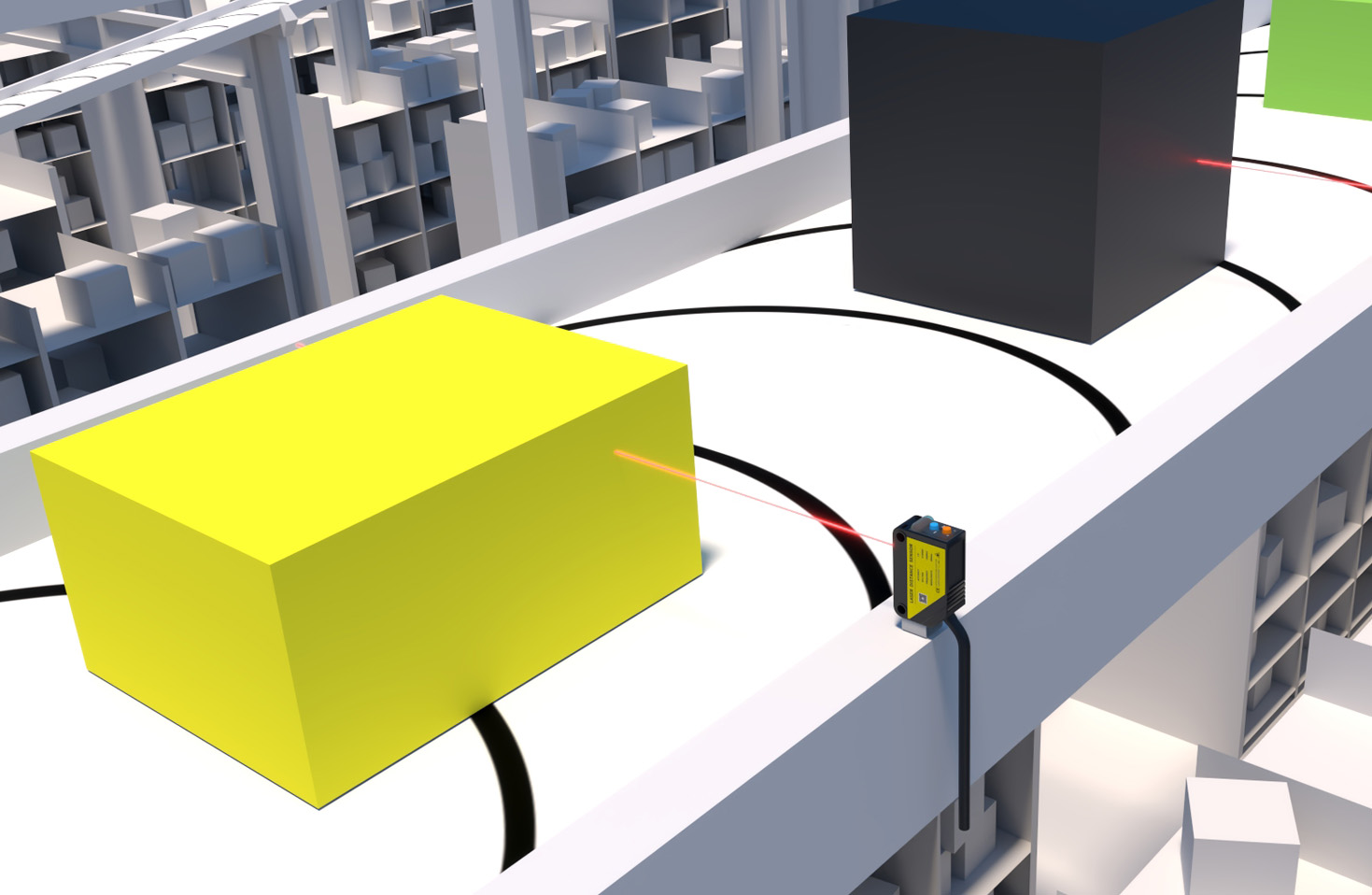
Applications of SH sensors span diverse industries. In metal fabrication, they enable precise cutting of sheets with varying thicknesses, improving efficiency in automotive or aerospace manufacturing. For electronics, sensors assist in micro-engraving circuit boards, where minute distance changes can affect functionality. In creative fields like signage or jewelry making, they ensure intricate designs are reproduced accurately. Additionally, in 3D laser welding, SH sensors help maintain focus on contoured surfaces, enhancing weld strength and consistency.

Implementing an SH sensor requires consideration of factors such as measurement range, response time, and environmental compatibility. Regular calibration and maintenance are recommended to sustain performance. As laser technology evolves, sensors are becoming smarter with features like AI integration for predictive adjustments and IoT connectivity for remote monitoring.
In summary, the SH sensor is a vital component in laser machinery, driving precision, efficiency, and safety. By enabling real-time distance control, it supports high-quality outcomes across industrial applications, from heavy-duty cutting to fine engraving. Investing in reliable sensor technology can lead to long-term benefits, including reduced waste, lower operational costs, and enhanced workplace safety. As industries continue to automate and refine processes, the role of SH sensors will only grow, underscoring their value in the future of manufacturing.