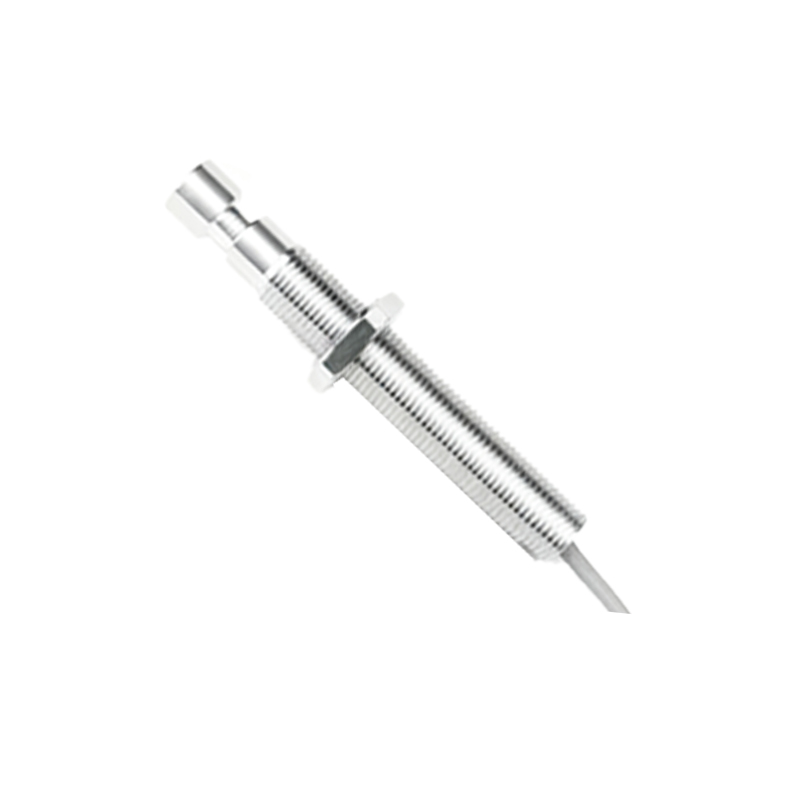
In today's rapidly evolving industrial and technological landscape, off-the-shelf proximity sensors often fall short of addressing unique operational challenges. Custom proximity sensor solutions have emerged as a critical enabler for innovation, offering tailored performance that standard models cannot match. The journey toward a bespoke sensor begins with a deep dive into the specific application requirements. Engineers and product developers must consider a multitude of factors, including the target material composition, required sensing range, environmental conditions like extreme temperatures or exposure to chemicals, and the necessary output signal type.
The core technology selection forms the foundation of any custom design. Inductive sensors remain the go-to choice for detecting metallic objects, with customization options focusing on switching frequency, housing material like nickel-plated brass or stainless steel for corrosion resistance, and specific sensing field shapes. For non-metallic targets, capacitive sensors are adapted by modifying electrode design and sensitivity to detect materials such as glass, wood, or liquids through barriers. Ultrasonic sensors are customized for challenging environments involving dust, vapor, or varying surface textures by adjusting sound wave frequency and transducer angle. Recent advancements have also made custom photoelectric sensors more viable, with options for specific light sources (laser, infrared, visible) and housing designs to combat ambient light interference.
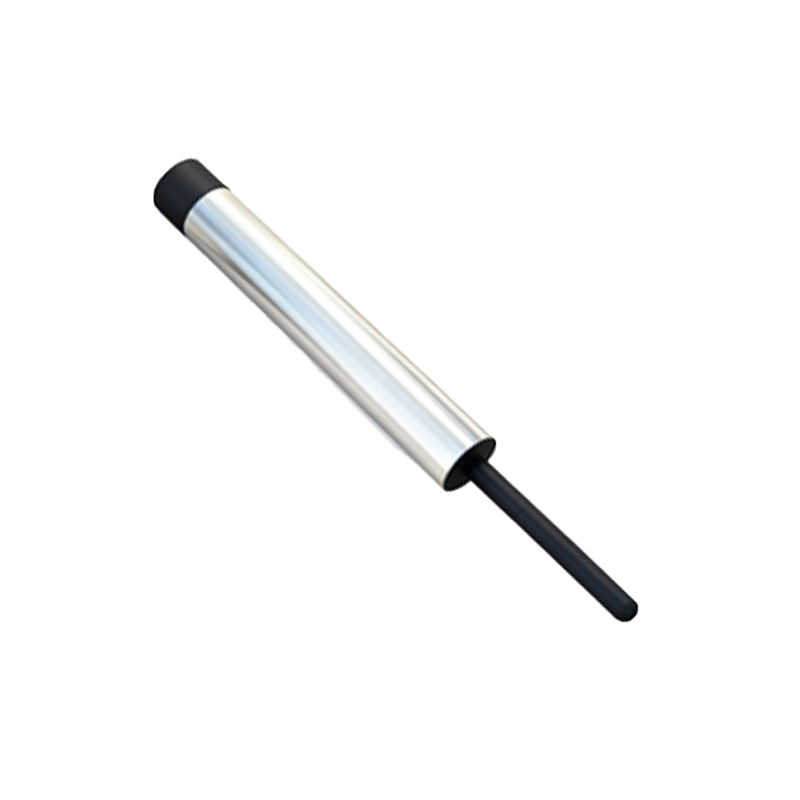
The physical and electrical integration of the sensor is where customization delivers significant value. This encompasses designing a housing with an exact form factor to fit constrained spaces, selecting ingress protection (IP) ratings for dust and water resistance, and choosing cable types or connector styles that withstand constant flexing or exposure to oils. Electrical customization might involve defining a specific output configuration (PNP/NPN, analog, IO-Link), integrating overload and short-circuit protection, or setting precise hysteresis levels to prevent signal chatter in unstable conditions. For applications in food and beverage or pharmaceutical industries, compliance with sanitary standards like FDA or EHEDG dictates the use of specific materials and surface finishes.
The development process for a custom proximity sensor is collaborative. It typically involves a feasibility study, prototyping, and rigorous validation testing. Reputable manufacturers work closely with clients to create prototypes that are tested in real-world or simulated environments. This phase is crucial for verifying performance parameters such as repeat accuracy, temperature drift, and long-term stability. The benefits of this tailored approach are substantial. A custom sensor can optimize machine design by enabling more compact layouts, improve system reliability by eliminating false triggers, and enhance overall efficiency through faster response times tailored to the application's speed requirements.
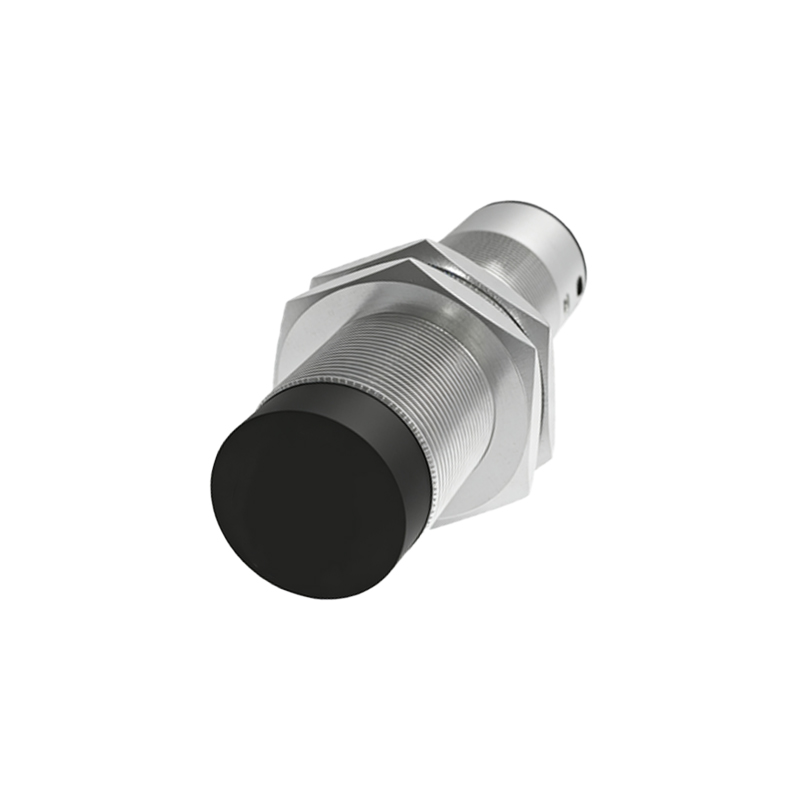
Ultimately, investing in a custom proximity sensor solution is an investment in precision, reliability, and operational excellence. It moves beyond the limitations of standard catalog parts to create a component that is an integral, optimized part of the larger system. By focusing on the exact needs of the application, businesses can achieve higher levels of automation, reduce maintenance downtime, and unlock new capabilities in their products and machinery. The key is to partner with a sensor provider possessing strong application engineering expertise and a proven track record in transforming unique requirements into robust, high-performance sensing solutions.