In the world of industrial automation, metal proximity sensors are indispensable components, providing non-contact detection of metallic objects with high reliability and precision. Selecting the right brand is crucial for ensuring optimal performance, durability, and cost-effectiveness in applications ranging from manufacturing lines to robotics. As an experienced electrical engineer, I have evaluated numerous brands based on technical specifications, real-world performance, and industry reputation to guide you in making an informed decision.
When assessing which brand of metal proximity sensors is superior, several key factors come into play. First, consider the sensor's sensing range and accuracy. Top-tier brands offer models with precise detection capabilities, even in challenging environments with dust, moisture, or electromagnetic interference. For instance, sensors from brands like Siemens and Omron are renowned for their robust designs that maintain consistent performance under extreme conditions. These sensors often feature advanced technologies, such as embedded diagnostics and IO-Link communication, which enhance system integration and predictive maintenance.
Another critical aspect is the build quality and material durability. Metal proximity sensors are frequently exposed to harsh industrial settings, including high temperatures, vibrations, and corrosive substances. Brands like Pepperl+Fuchs and Schneider Electric excel in this area, producing sensors with rugged housings made from stainless steel or nickel-plated brass. These materials not only extend the sensor's lifespan but also ensure resistance to mechanical wear and chemical exposure. Additionally, look for certifications like IP67 or IP69K, which indicate high levels of ingress protection against water and dust—a hallmark of reputable brands.
Compatibility and ease of integration are also vital considerations. The best brands provide a wide range of sensor types, including inductive, capacitive, and magnetic variants, to suit diverse applications. For example, if you're working in automotive assembly, you might need sensors with fast response times and high switching frequencies. Brands such as Balluff and IFM Electronic offer extensive product lines that cater to specific industry needs, along with user-friendly mounting options and clear documentation. This simplifies installation and reduces downtime, a key advantage in time-sensitive operations.
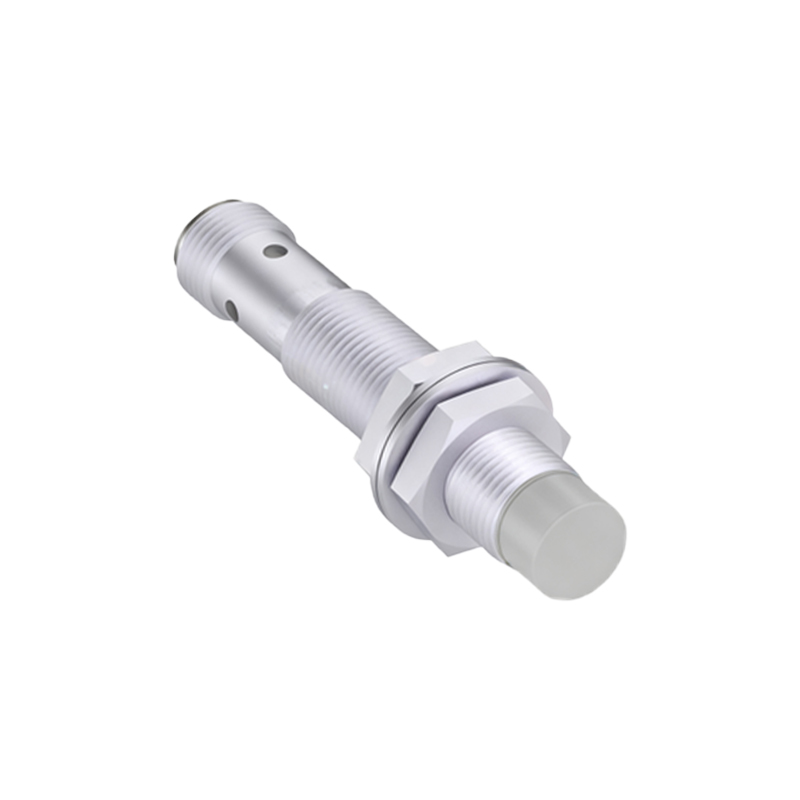
Cost-effectiveness should not be overlooked. While premium brands may have higher upfront costs, their long-term value often justifies the investment due to lower failure rates and reduced maintenance requirements. In contrast, some mid-range brands like Autonics or Sick provide reliable performance at a more accessible price point, making them suitable for budget-conscious projects without compromising on essential features. It's important to balance initial expenses with total cost of ownership, factoring in energy efficiency and warranty support.
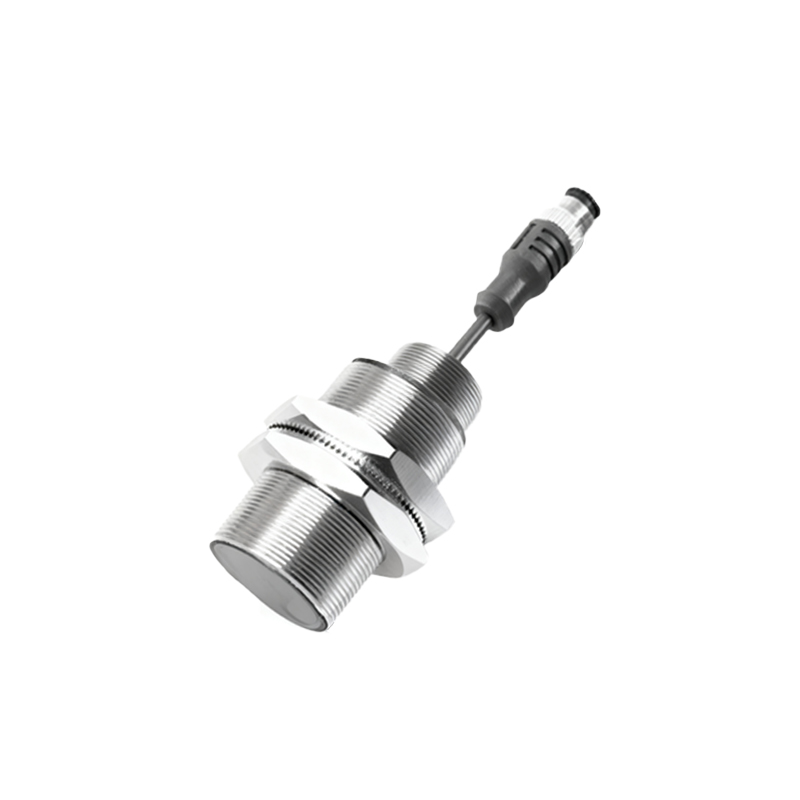
Based on industry feedback and technical analysis, Siemens stands out for its innovation and global support network, making it a top choice for large-scale automation systems. Omron is praised for its precision and extensive R&D, particularly in electronics manufacturing. Pepperl+Fuchs leads in hazardous environments, thanks to its expertise in explosion-proof designs. For those seeking a balance of quality and affordability, Balluff and IFM Electronic are excellent options, offering versatile sensors with strong after-sales service.
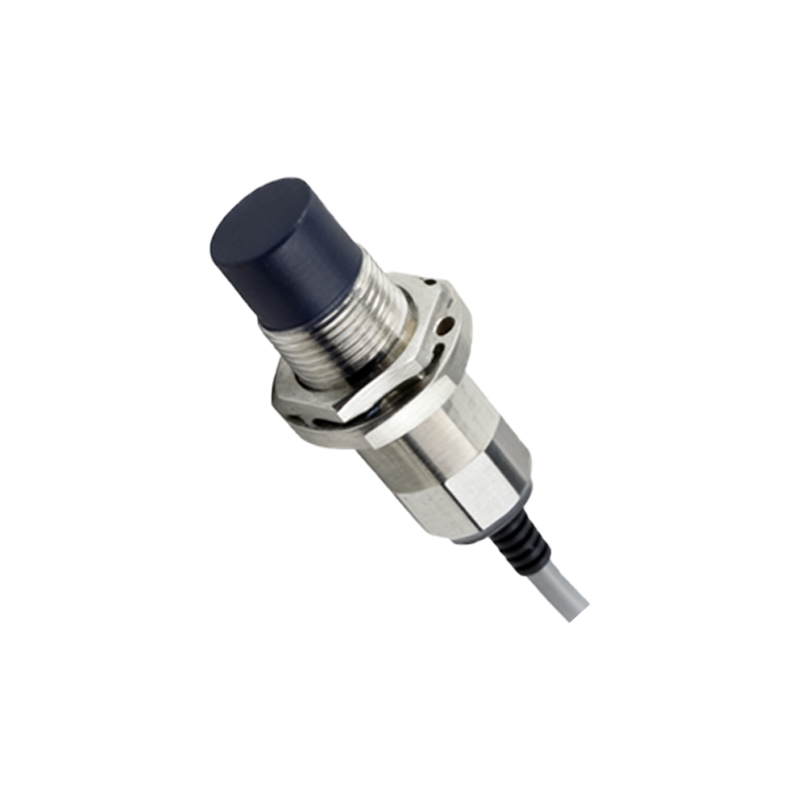
In conclusion, the "best" brand depends on your specific application requirements, environmental conditions, and budget. By prioritizing factors like accuracy, durability, integration ease, and cost, you can select a metal proximity sensor that enhances your system's efficiency and reliability. Always consult technical datasheets and conduct trials where possible to validate performance in your unique setting.