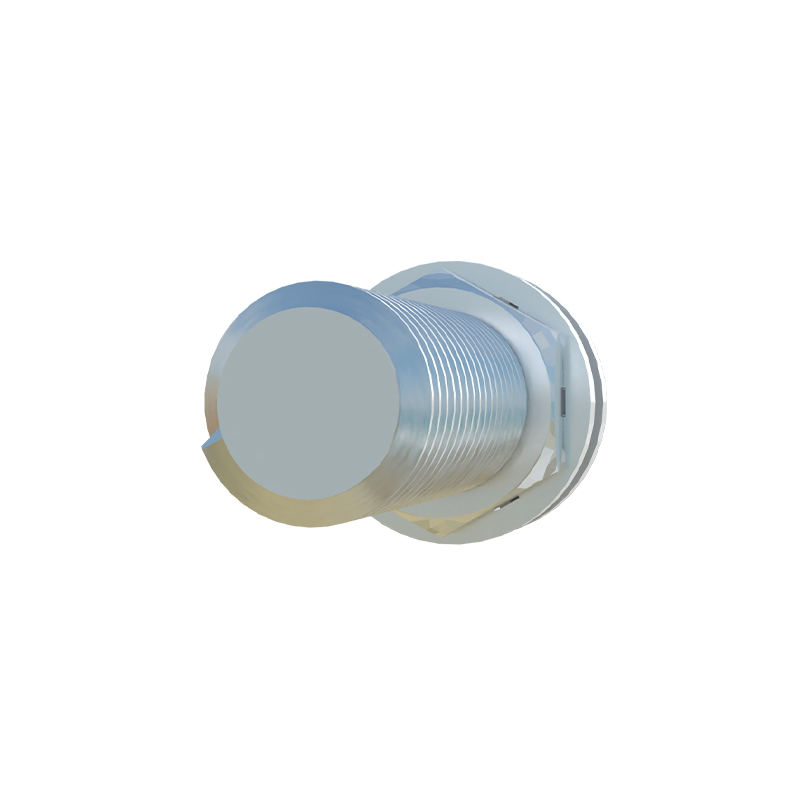
Proximity switches, as critical components in industrial automation and control systems, have evolved significantly in terms of manufacturing technology and application versatility. The production process of these non-contact sensors involves a sophisticated integration of electronic engineering, materials science, and precision manufacturing. This article delves into the key stages of proximity switch manufacturing, from design principles to final testing, providing insights for electrical engineers and industry professionals.
The manufacturing journey begins with the design phase, where engineers determine the type of proximity switch—inductive, capacitive, or magnetic—based on target applications such as object detection, position sensing, or speed monitoring. Inductive proximity switches, for instance, are designed to detect metallic objects using electromagnetic fields, while capacitive variants sense both metallic and non-metallic materials by measuring changes in capacitance. The design process involves selecting core components like oscillators, signal conditioning circuits, and output stages (e.g., NPN/PNP transistors or analog outputs). Advanced simulation tools, such as finite element analysis (FEA), are employed to optimize sensor coil geometry and electromagnetic performance, ensuring high sensitivity and minimal interference.
Material selection is paramount in proximity switch production. The housing, typically made from thermoplastics like PBT (polybutylene terephthalate) or metals such as stainless steel, must offer durability, chemical resistance, and IP-rated protection against dust and moisture. For inductive switches, ferrite cores are commonly used to enhance magnetic flux density, while capacitive sensors utilize electrodes coated with dielectric materials. The internal electronics rely on high-quality printed circuit boards (PCBs) populated with surface-mount devices (SMDs), including microcontrollers, amplifiers, and protection circuits against overvoltage or short circuits. Automated pick-and-place machines ensure precise component placement, followed by reflow soldering to secure electrical connections.
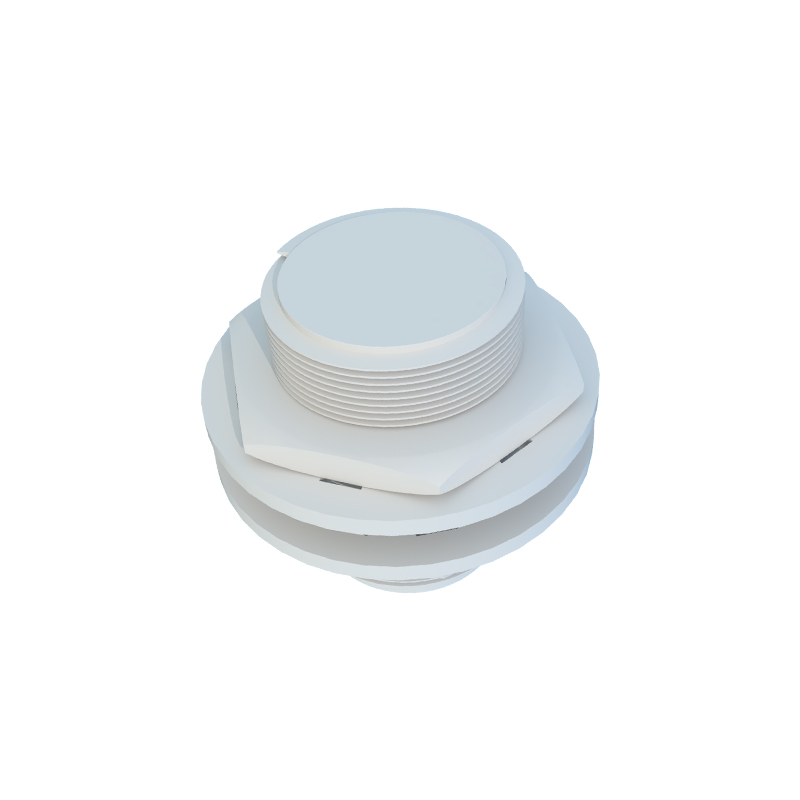
Assembly lines integrate these components with meticulous attention to detail. The sensing element—a coiled wire for inductive types or a plate for capacitive ones—is mounted within the housing, often encapsulated in epoxy resin to provide mechanical stability and environmental sealing. For magnetic proximity switches, Hall-effect or reed switches are embedded alongside permanent magnets. Automated calibration systems then adjust parameters like switching distance and hysteresis, using reference targets to meet industry standards (e.g., IEC 60947-5-2). This step is crucial for maintaining consistency, as even minor deviations can impact performance in demanding environments like automotive manufacturing or packaging machinery.

Quality control is embedded throughout the manufacturing process. Incoming materials undergo rigorous inspections, including X-ray fluorescence (XRF) testing for metal alloys and thermal cycling for plastics. During production, automated optical inspection (AOI) systems scan PCBs for soldering defects, while functional tests verify output signals under simulated operating conditions. Final products are subjected to environmental stress tests, such as temperature extremes (-25°C to 70°C), vibration resistance, and IP67/IP68 waterproofing trials. Data from these tests are logged for traceability, aligning with ISO 9001 quality management systems.
Emerging trends in proximity switch manufacturing include the adoption of Industry 4.0 technologies. Smart sensors with IO-Link communication enable real-time diagnostics and parameter adjustments, reducing downtime in automated plants. Additionally, miniaturization efforts have led to compact designs for space-constrained applications, while energy-efficient models support sustainable operations. Manufacturers are also exploring additive manufacturing (3D printing) for prototyping custom housings, accelerating time-to-market.
In conclusion, producing proximity switches demands a blend of engineering expertise and advanced manufacturing techniques. By understanding these processes, electrical engineers can better select, integrate, and maintain these sensors, ensuring reliable performance in diverse industrial settings. As automation expands, innovations in materials and digital integration will continue to shape the future of proximity switch production.