In the precision measurement and industrial automation sectors, laser tracker sensors represent a pinnacle of metrology technology. These systems utilize laser interferometry or absolute distance measurement (ADM) principles to provide highly accurate, real-time 3D coordinate data of a target reflector over large volumes, typically up to several tens of meters. The core components include a laser emitter, a precision steering mechanism (often with high-speed motors and angular encoders), a position detector (like a PSD or camera), and sophisticated control software. Key performance parameters are measurement accuracy (often in the micrometer range per meter), maximum measurement range, sampling rate, and environmental robustness against factors like ambient light and thermal drift.
The market for these high-end sensors is dominated by a few established manufacturers, each with distinct technological strengths. Hexagon Manufacturing Intelligence, through its Leica Geosystems brand, is a historical leader. Their laser trackers, such as the Leica Absolute Tracker AT960, are renowned for the "Absolute Interferometer" technology, which eliminates the need for beam re-acquisition after an interruption, significantly enhancing field usability. Their systems are widely adopted in aerospace for airframe assembly and in automotive for tooling and part inspection.
FARO Technologies is another major player, offering the FARO Vantage and Laser Tracker models. FARO emphasizes user-friendly software integration and portability. Their trackers often feature integrated temperature and pressure sensors for automatic environmental compensation, a critical factor for maintaining accuracy in uncontrolled shop floor conditions. They have a strong presence in construction, shipbuilding, and large-scale manufacturing verification.
API (Automated Precision Inc.) brings innovation with products like the Radian Laser Tracker. API is known for its "Intelliprobe" and "SmartTrack" technologies, which enhance dynamic measurement capabilities and simplify operator workflow. Their systems are frequently chosen for applications requiring high dynamic tracking, such as robotic calibration and real-time guidance in automated assembly cells.
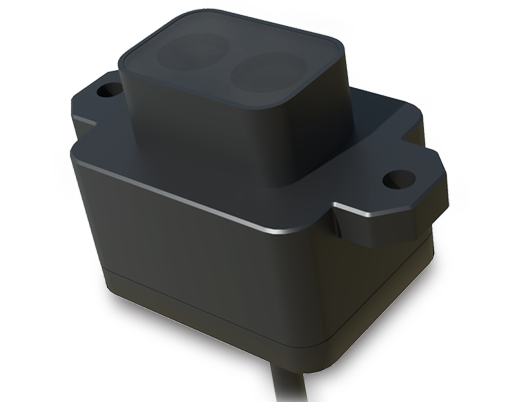
Nikon Metrology, with its MV300 series, leverages its optical heritage to deliver high-accuracy systems. Nikon often highlights the stability and reliability of its mechanical design and the performance of its proprietary optics. Their solutions are common in precision engineering, such as mold and die alignment and high-value component inspection.

Beyond these giants, specialized companies like Etalon and Lika Electronic contribute critical components like ultra-stable interferometer blocks and high-resolution linear/rotary encoders that form the backbone of tracker performance. The competitive landscape is driving continuous innovation: trends include the integration of vision systems (creating hybrid laser/vision trackers), enhanced wireless connectivity for the Internet of Things (IoT) in smart factories, and the development of smaller, more cost-effective sensors to open new applications in mid-tier manufacturing.
Selecting a laser tracker manufacturer depends heavily on the specific application's accuracy requirements, volumetric needs, environmental challenges, and required software ecosystem for data analysis and integration with CAD/CAM platforms. While the initial capital investment is substantial, the return is realized through dramatic reductions in assembly time, scrap rates, and rework, enabling tighter tolerances and more complex manufacturing processes. As industries push towards Industry 4.0 and digital twins, the role of laser trackers as a primary source of high-fidelity spatial data is only set to grow, ensuring that these leading manufacturers will continue to be at the forefront of precision industrial measurement.