Temperature is a critical environmental factor that significantly influences the performance, accuracy, and longevity of proximity sensors in industrial settings. As non-contact devices used to detect the presence or absence of objects, proximity sensors rely on electromagnetic fields, capacitive coupling, or ultrasonic waves to function. However, temperature variations can alter the physical and electrical properties of sensor components, leading to potential operational challenges. Understanding these effects is essential for engineers and technicians to ensure reliable system performance.
Proximity sensors, including inductive, capacitive, and ultrasonic types, are designed with specific temperature ranges, typically outlined in datasheets. For inductive sensors, which detect metallic objects, temperature changes affect the coil's inductance and resistance. High temperatures can increase the coil's resistance, reducing the sensor's sensitivity and detection range. Conversely, low temperatures may cause materials to contract, potentially altering the gap between the sensor and target, leading to false triggers or missed detections. Capacitive sensors, used for non-metallic materials, are sensitive to changes in dielectric constants influenced by temperature. Fluctuations can shift capacitance values, requiring recalibration to maintain accuracy. Ultrasonic sensors, which measure distance using sound waves, experience variations in sound speed with temperature—approximately 0.6% per degree Celsius change—impacting distance measurement precision.
In industrial environments, temperature extremes are common, such as in automotive manufacturing, metal processing, or outdoor installations. Proximity sensors exposed to high temperatures may suffer from accelerated aging of electronic components, including semiconductors and soldering joints, leading to reduced lifespan. Thermal expansion can also misalign sensor housings, affecting detection consistency. On the other hand, cold environments can cause condensation or icing on sensor surfaces, particularly in capacitive or optical variants, interfering with signal transmission. Additionally, temperature cycling—repeated heating and cooling—induces mechanical stress, potentially cracking internal circuits or degrading seals, which compromises sensor durability.
To mitigate temperature-related issues, engineers employ several strategies. Selecting sensors with wide operating temperature ranges, such as those rated from -40°C to 85°C, is a fundamental step. Thermal insulation or enclosures can protect sensors from direct heat sources or cold drafts. For precision applications, temperature compensation circuits are integrated into sensor designs, automatically adjusting output signals based on ambient conditions. Regular maintenance, including calibration checks in varying temperatures, helps sustain accuracy. In critical systems, redundancy using multiple sensors or backup units ensures continuity if one sensor fails due to thermal stress.
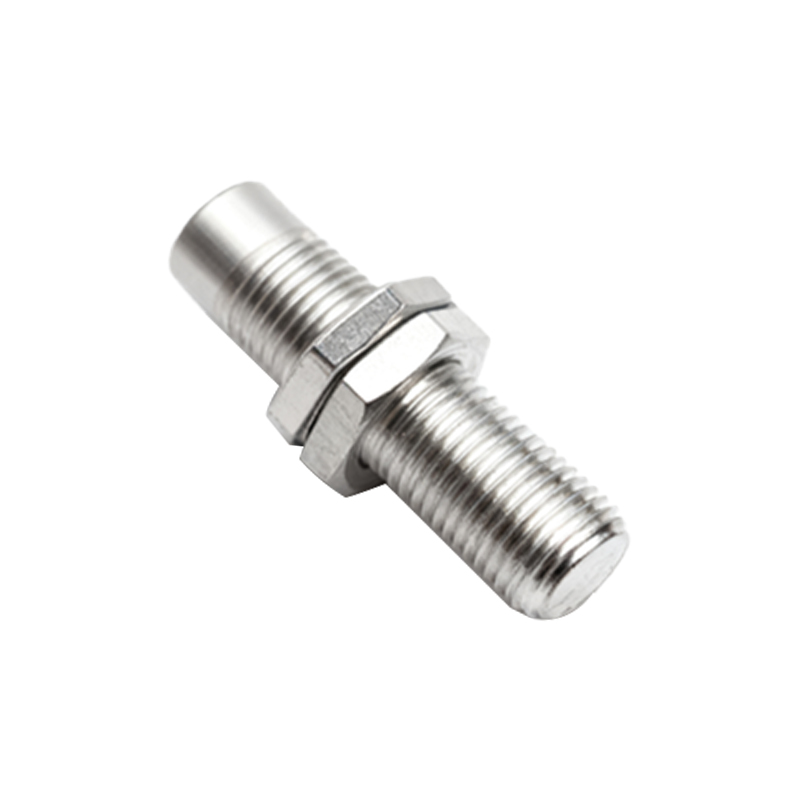
Case studies highlight the importance of temperature management. In a steel mill, inductive proximity sensors monitoring conveyor belts experienced frequent failures until upgraded to high-temperature models with ceramic coatings, reducing downtime by 30%. In a cold storage facility, capacitive sensors for package detection were replaced with ultrasonic types less affected by frost, improving reliability by 25%. These examples underscore the need for tailored sensor selection based on environmental factors.
Looking ahead, advancements in materials science and electronics are enhancing temperature resilience. New sensor designs incorporate robust polymers and alloys that withstand thermal shocks, while smart sensors with embedded microprocessors offer real-time temperature monitoring and adaptive responses. As industries adopt Industry 4.0 and IoT, integrating temperature data into predictive maintenance systems can preempt failures, optimizing operational efficiency.
In conclusion, temperature exerts a profound impact on proximity sensor functionality, influencing detection range, accuracy, and durability. By understanding these effects and implementing mitigation measures, engineers can ensure sensors perform reliably across diverse industrial conditions, supporting automation and safety standards. Continuous innovation in sensor technology promises greater adaptability to temperature challenges in the future.