In modern industrial automation, the integration of infrared (IR) proximity sensors with motor control systems has revolutionized precision and efficiency. These sensors, leveraging infrared light to detect objects without physical contact, provide a reliable method for monitoring position, speed, and operational boundaries in motor-driven applications. This article explores the technical principles, implementation strategies, and benefits of using IR proximity sensors for motor control, tailored for electrical engineers and automation professionals.
Infrared proximity sensors operate by emitting IR light and measuring the reflection from nearby objects. When an object enters the sensor's detection range, the reflected light is captured by a receiver, triggering an electrical signal. This signal can be processed by a microcontroller or programmable logic controller (PLC) to adjust motor operations. For instance, in conveyor belt systems, IR sensors detect product presence, enabling motors to start, stop, or vary speed accordingly, reducing energy waste and preventing jams. The non-contact nature of IR sensors minimizes wear and tear, enhancing system longevity compared to mechanical switches.
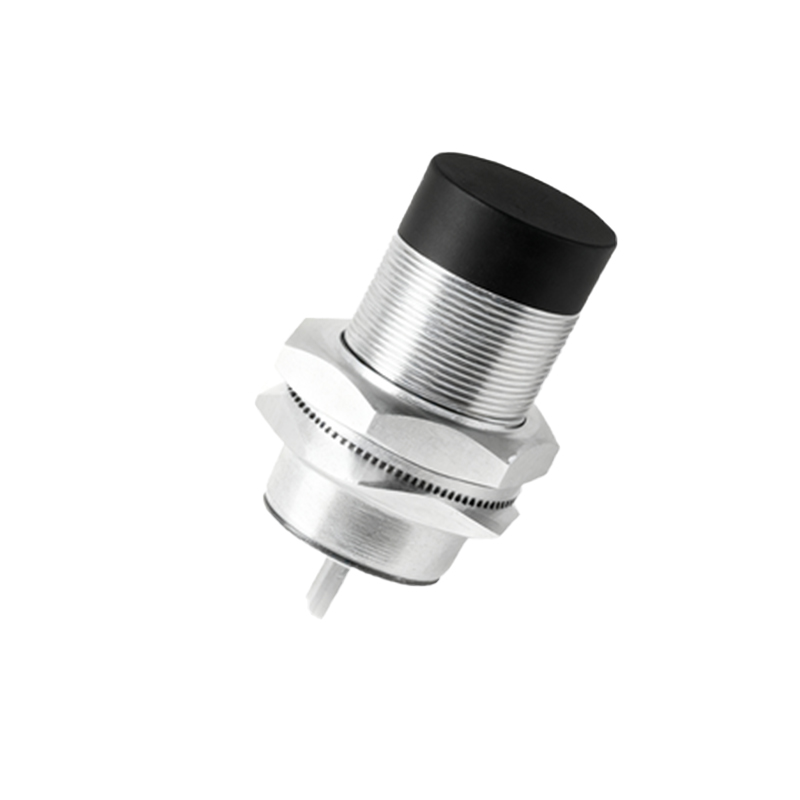
Key components in this setup include the IR sensor module, motor driver circuits, and control units. Common sensor types like diffuse reflective or through-beam models offer varying detection ranges and accuracy. Engineers must calibrate sensors based on environmental factors such as ambient light and surface reflectivity to avoid false triggers. In practice, connecting an IR sensor to a DC or stepper motor involves interfacing the sensor output with a motor driver IC, such as an H-bridge, which interprets signals to regulate motor direction and torque. For AC motors, sensors often integrate with variable frequency drives (VFDs) for smooth speed modulation.
Applications span diverse industries, from automotive assembly lines, where sensors guide robotic arms in precise movements, to packaging machinery that uses IR detection to coordinate motorized cutters. Safety is another critical aspect; in automated doors or elevators, IR sensors ensure motors halt when obstacles are detected, preventing accidents. Additionally, energy efficiency gains are significant—motors only activate when needed, cutting power consumption by up to 30% in some setups, aligning with sustainable industrial practices.
Challenges include interference from other IR sources and limited range in dusty or humid conditions. Solutions involve using modulated IR signals to filter noise and selecting sensors with appropriate IP ratings. Future trends point toward smart sensors with IoT connectivity, enabling real-time data analytics for predictive maintenance and optimized motor performance. By mastering IR sensor integration, engineers can design robust, adaptive systems that boost productivity and safety in automated environments.
In summary, IR proximity sensors offer a versatile, cost-effective solution for motor control, driving innovation in industrial automation. Their ability to provide accurate, contactless feedback makes them indispensable for modern electrical systems, paving the way for smarter, more responsive machinery.