In the quiet hum of modern existence, a silent conversation unfolds. It happens when an elevator door glides open without a touch, when a smartphone screen dims as it nears your ear, or when hands-free faucets in public restrooms respond to a wave. This dialogue, often unnoticed, is facilitated by proximity sensors—tiny electronic sentinels that detect the presence or absence of nearby objects without physical contact. Yet, to view them merely as components on a circuit board is to miss the profound narrative. The true story lies with the "human of the proximity sensor"—the individual whose daily rhythms are subtly, yet fundamentally, synchronized with these invisible fields of detection.
The relationship begins with an inherent human desire for convenience and hygiene. Proximity sensors eliminate friction points in our interactions with the world. Consider the simple act of using a public restroom. The sensor-activated faucet and soap dispenser satisfy a deep-seated preference for cleanliness, reducing contact with surfaces touched by countless others. This isn't just about technology performing a task; it's about addressing a human concern for health and well-being. The sensor becomes an ally in maintaining personal space and hygiene, a non-judgmental facilitator of a more comfortable experience.
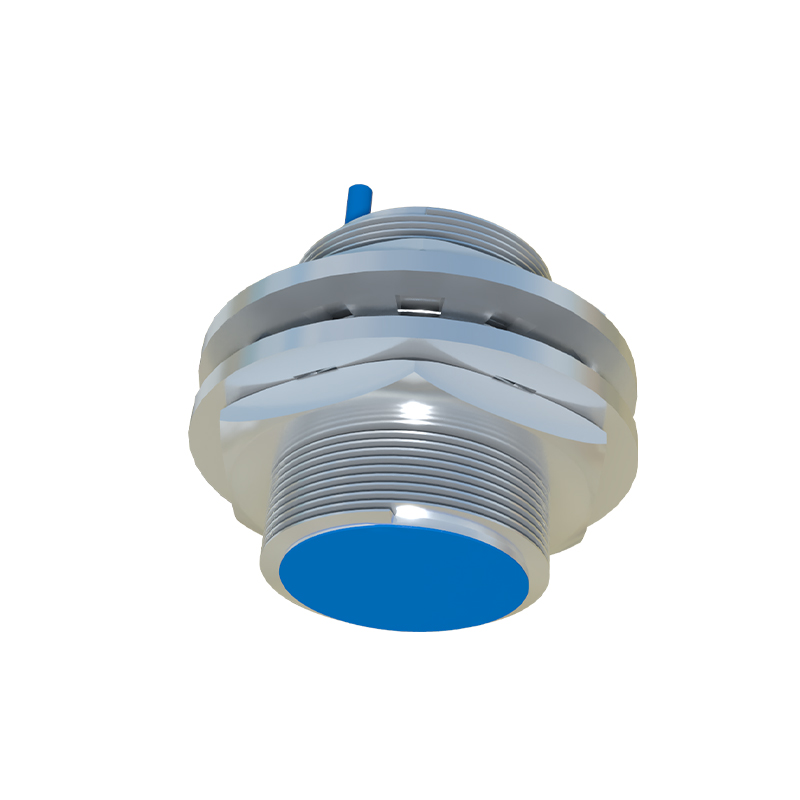
Beyond convenience, these sensors are powerful enablers of accessibility. For individuals with limited mobility or dexterity, a sensor-operated door or light can transform a space from challenging to navigable. The technology removes a barrier, granting autonomy. It listens for intent—a slight movement, a presence—rather than demanding a specific physical action like turning a knob or pushing a heavy handle. In this context, the proximity sensor acts as an extension of human will, interpreting subtle cues to execute commands, thereby empowering a wider range of people to interact with their environment independently.
There is also an emotional and psychological layer to this interplay. The responsive nature of sensor-driven devices creates a sense of a living, attentive environment. When lights brighten upon entering a room, it feels welcoming. When a device goes to sleep as you walk away, it conveys an understanding of context, conserving energy without requiring a conscious command. This fosters a subtle, low-stakes relationship with our surroundings. The environment anticipates needs, reducing cognitive load. The "human" in this dynamic experiences not just service, but a form of unspoken rapport with the built world—a world that seems to acknowledge their presence.
However, this relationship is not without its nuances. Over-reliance or poorly calibrated technology can lead to moments of frustration—the faucet that won't trigger, the automatic door that closes too quickly. These instances highlight a critical aspect: the need for the technology to be impeccably tuned to human behavior and expectation. The ideal sensor is intuitive, predictable, and reliable. Its success is measured not in milliseconds of response time, but in the absence of thought it requires from the user. When it works perfectly, it fades into the background of consciousness. When it fails, it abruptly reminds us of the mechanistic nature of the interaction.
Looking forward, the evolution of the "human of the proximity sensor" points toward even deeper integration. In smart homes and cities, arrays of sensors will work in concert to learn patterns, adjust climates, manage security, and optimize energy use based on human presence and absence. The relationship will shift from reactive to predictive. The narrative will expand from single interactions to a continuous, ambient awareness of human activity, aiming to create environments that are not only functional but truly adaptive to the complex, flowing patterns of human life.
Ultimately, proximity sensors represent a fundamental bridge. They translate the analog, physical fact of human presence into a digital signal that can be understood and acted upon by machines. But the richer translation happens in reverse: the machine's action is interpreted by the human as convenience, safety, accessibility, or even courtesy. The story, therefore, is not about infrared beams or capacitive fields. It is about how these technologies are woven into the fabric of human expectation and experience, creating a world that feels a little more responsive, a little more considerate, and seamlessly aligned with the quiet, constant fact of our being there.