Capacitive proximity sensors are pivotal devices in the realm of electrical engineering and industrial automation, offering non-contact detection capabilities for a wide array of materials. Unlike inductive sensors that primarily detect metals, capacitive sensors can sense both conductive and non-conductive substances, including liquids, plastics, wood, and granular materials. This versatility stems from their operating principle, which involves generating an electrostatic field. When an object enters this field, it alters the capacitance, triggering a switch signal. This mechanism allows for reliable detection through non-metallic barriers, such as glass or plastic containers, making them indispensable in packaging, food processing, and pharmaceutical industries.
The core functionality of capacitive proximity sensors revolves around their ability to measure changes in dielectric properties. A typical sensor consists of an oscillator, a sensing surface, and an evaluation circuit. The oscillator creates an electromagnetic field at the sensing face, and when a target object approaches, the capacitance increases, causing oscillation amplitude changes that are converted into output signals. Engineers often adjust sensitivity via potentiometers to account for varying material densities or environmental conditions, ensuring precise operation in challenging settings like high humidity or dusty environments. This adaptability reduces false triggers and enhances system reliability.
In practical applications, capacitive sensors excel in level detection tasks, such as monitoring fill levels in tanks or silos containing liquids or powders. They are also employed in object counting, presence verification, and touch-sensitive interfaces. For instance, in automotive manufacturing, these sensors detect plastic components on assembly lines, while in consumer electronics, they enable touch controls without physical contact. Their robustness against contamination and ability to operate without mechanical wear contribute to lower maintenance costs and extended service life, aligning with industry demands for efficiency and sustainability.
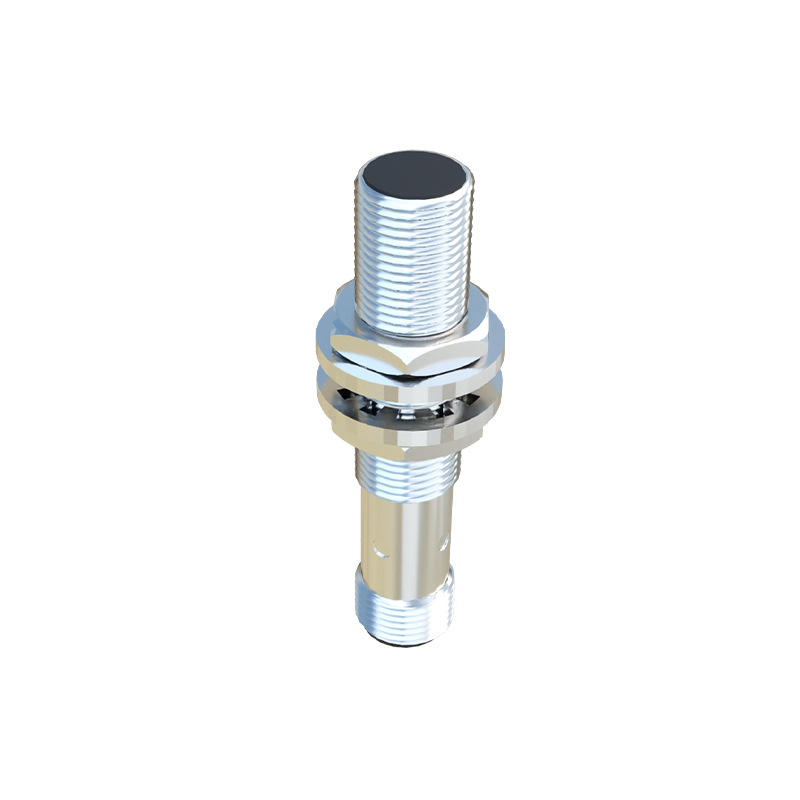
When selecting capacitive proximity sensors, engineers consider factors like sensing range, output type (e.g., analog or digital), and housing material. Standard sensing distances range from a few millimeters to several centimeters, with specialized models offering longer ranges. Output options include NPN, PNP, or IO-Link configurations for seamless integration into control systems like PLCs. Additionally, enclosures rated IP67 or higher provide protection against water and dust, suitable for harsh industrial environments. Proper installation is crucial; sensors should be mounted away from metal surfaces or other electrical noise sources to prevent interference, and regular calibration ensures consistent performance.
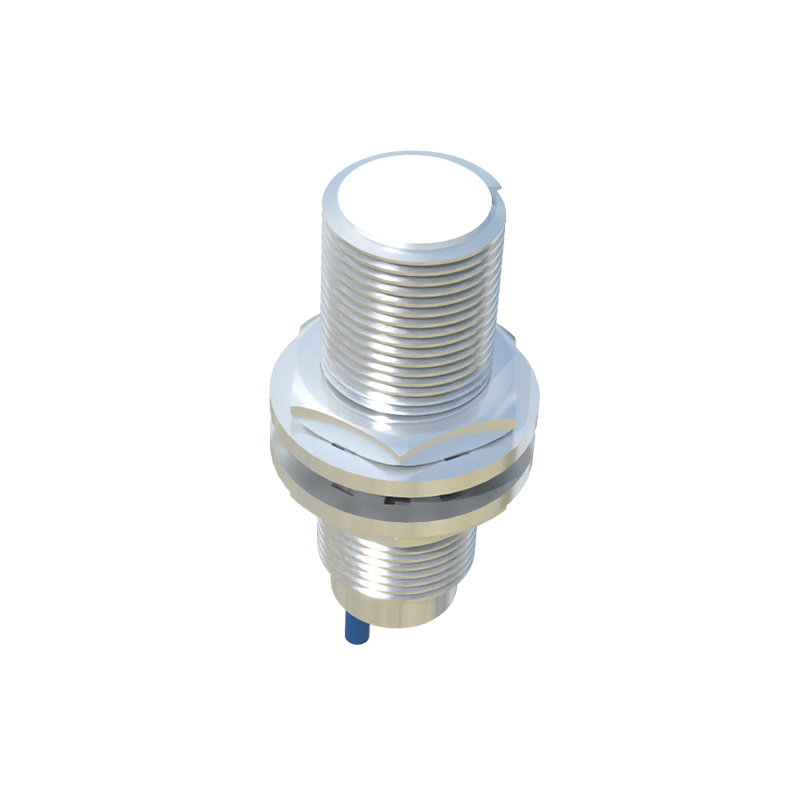
Advancements in technology have led to miniaturized and smart capacitive sensors with embedded diagnostics, enabling predictive maintenance and real-time data exchange via Industrial IoT networks. These innovations support Industry 4.0 initiatives, fostering smarter, interconnected factories. As electrical systems evolve, capacitive proximity sensors remain vital for enhancing automation precision, safety, and productivity. Their role in enabling contactless operations also promotes hygiene in sectors like medical device manufacturing, underscoring their broad impact across modern engineering landscapes.
In summary, capacitive proximity sensors are versatile tools that bridge material detection gaps in electrical applications. By leveraging electrostatic principles, they deliver reliable, non-contact sensing solutions tailored to diverse industrial needs. Engineers continue to rely on them for optimizing processes, reducing downtime, and advancing automation, solidifying their status as essential components in contemporary electrical infrastructure.