Infrared proximity sensors are pivotal components in modern industrial automation, offering non-contact detection capabilities that enhance efficiency and safety. These sensors operate by emitting infrared light and measuring the reflection from nearby objects. When an object enters the sensing range, the reflected light intensity changes, triggering an output signal—typically a switch closure or digital pulse—that can be integrated into control systems for tasks like object counting, positioning, or collision avoidance.
The core technology behind infrared proximity sensors involves an IR LED (light-emitting diode) and a photodetector, such as a phototransistor or photodiode. The IR LED emits a beam of infrared light, which is invisible to the human eye, usually in the wavelength range of 850 nm to 950 nm. The photodetector measures the intensity of the reflected light. In diffuse reflection sensors, the emitter and receiver are housed together, detecting objects based on the amount of light bounced back. This design is common for general-purpose applications, with sensing distances varying from a few millimeters to several meters, depending on the object's reflectivity and environmental conditions.
Key advantages of infrared proximity sensors include their immunity to ambient light interference when modulated signals are used, high response speeds (often in microseconds), and durability in harsh environments. They are less affected by dust, moisture, or color variations compared to some optical sensors, making them suitable for industries like manufacturing, robotics, and automotive assembly. For instance, in conveyor systems, these sensors can detect products without physical contact, reducing wear and tear and minimizing downtime. In automated guided vehicles (AGVs), they help navigate obstacles by providing real-time proximity data.
However, challenges exist, such as sensitivity to highly reflective or absorbent surfaces, which can affect accuracy. To mitigate this, advanced models incorporate background suppression or triangulation methods to focus on specific distances, ignoring irrelevant reflections. Regular calibration and maintenance are recommended to ensure optimal performance, especially in settings with temperature fluctuations or contaminants.
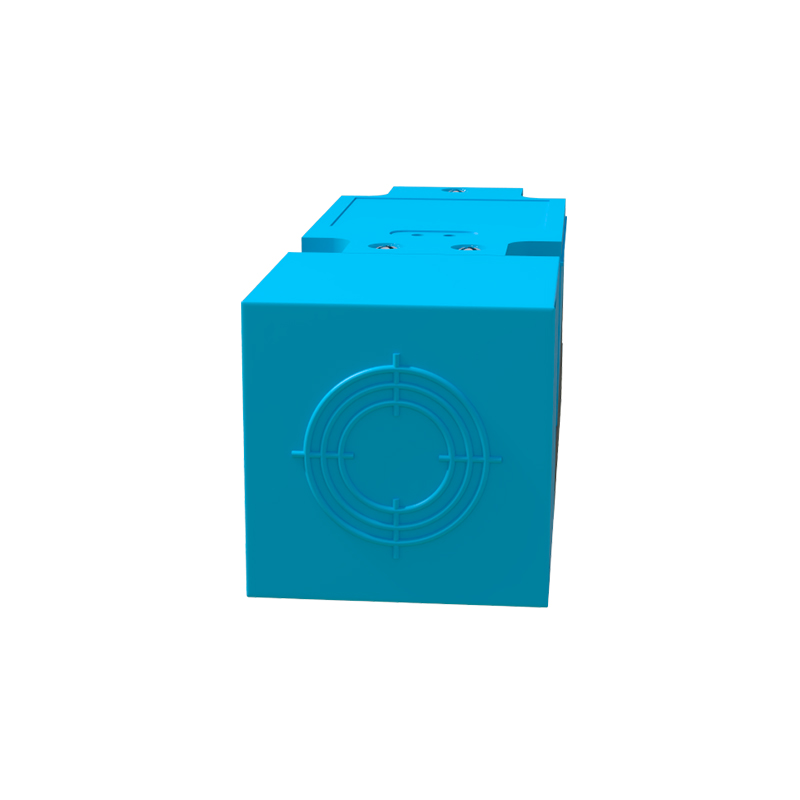
When selecting an infrared proximity sensor, engineers should consider factors like sensing range, output type (e.g., NPN/PNP, analog, or digital), response time, and environmental ratings (e.g., IP67 for dust and water resistance). Integration with PLCs (Programmable Logic Controllers) or microcontrollers is straightforward, often requiring simple wiring and configuration. As Industry 4.0 evolves, these sensors are increasingly equipped with IoT connectivity for predictive maintenance and data analytics, further boosting operational intelligence.
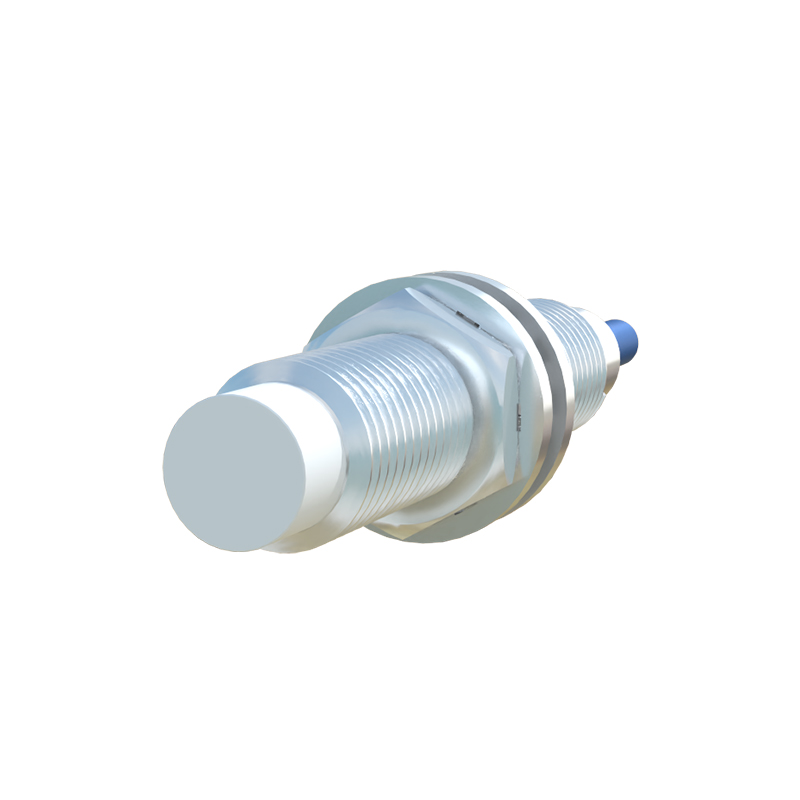
In summary, infrared proximity sensors are versatile tools that drive automation by enabling precise, reliable object detection. Their non-contact nature and adaptability make them indispensable in optimizing industrial processes, from quality control to safety monitoring. By understanding their principles and applications, engineers can leverage these sensors to build smarter, more efficient systems that meet the demands of modern production lines.