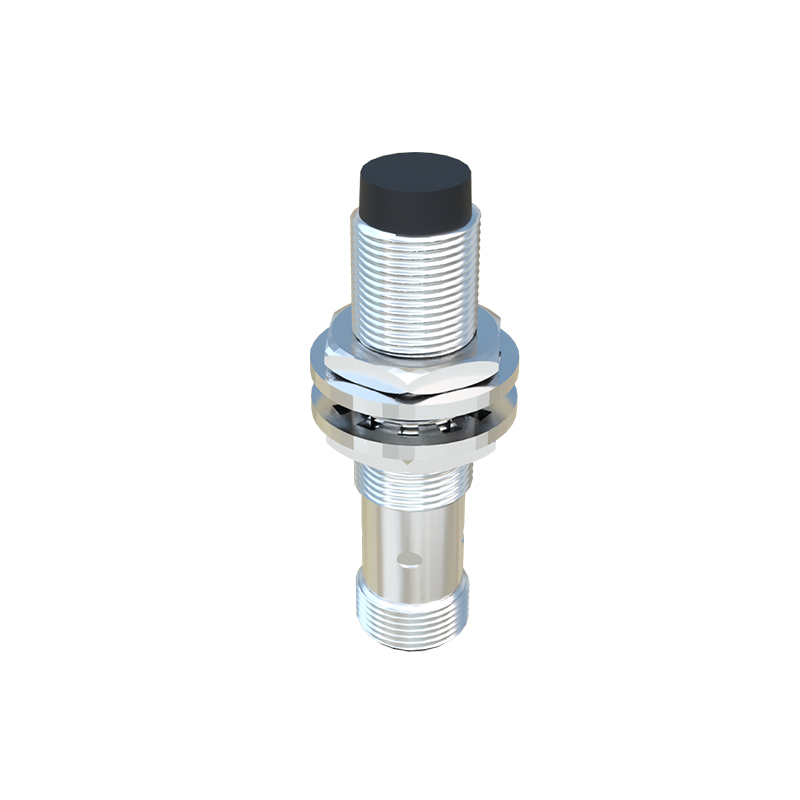
In the rapidly evolving landscape of industrial automation, robotics, and smart systems, high-sensitivity proximity sensing sensors have emerged as critical components for enabling precise, non-contact detection and measurement. These advanced sensors are designed to detect the presence, absence, or position of an object within a defined range without any physical contact, relying on various physical principles such as electromagnetic, capacitive, ultrasonic, or optical technologies. Their high sensitivity allows them to operate effectively even with subtle changes in the target's properties or environmental conditions, making them indispensable in applications where accuracy, reliability, and safety are paramount.
The core principle behind high-sensitivity proximity sensors lies in their ability to generate a field or beam and monitor changes caused by an intruding object. For instance, inductive proximity sensors generate an electromagnetic field and detect eddy current losses in conductive targets, while capacitive sensors measure changes in capacitance due to the presence of any material, including non-metallic objects. Optical proximity sensors, utilizing infrared or laser beams, detect interruptions or reflections of light, offering exceptional resolution for minute displacements. The sensitivity is enhanced through sophisticated signal processing, noise reduction algorithms, and adaptive calibration, ensuring stable performance in challenging environments like high temperatures, vibrations, or electromagnetic interference.
Applications of these sensors span across diverse industries. In manufacturing, they are used for precise positioning in assembly lines, object counting, and robotic guidance, improving efficiency and reducing downtime. The automotive sector relies on them for collision avoidance systems, parking assistance, and automated door controls. In consumer electronics, high-sensitivity proximity sensors enable touchless interfaces, screen dimming in smartphones, and gesture recognition. Additionally, they play a vital role in healthcare for non-invasive monitoring devices, in aerospace for landing gear detection, and in smart infrastructure for occupancy sensing and energy management. Their ability to operate with low power consumption and minimal maintenance further expands their utility in IoT and wearable technologies.
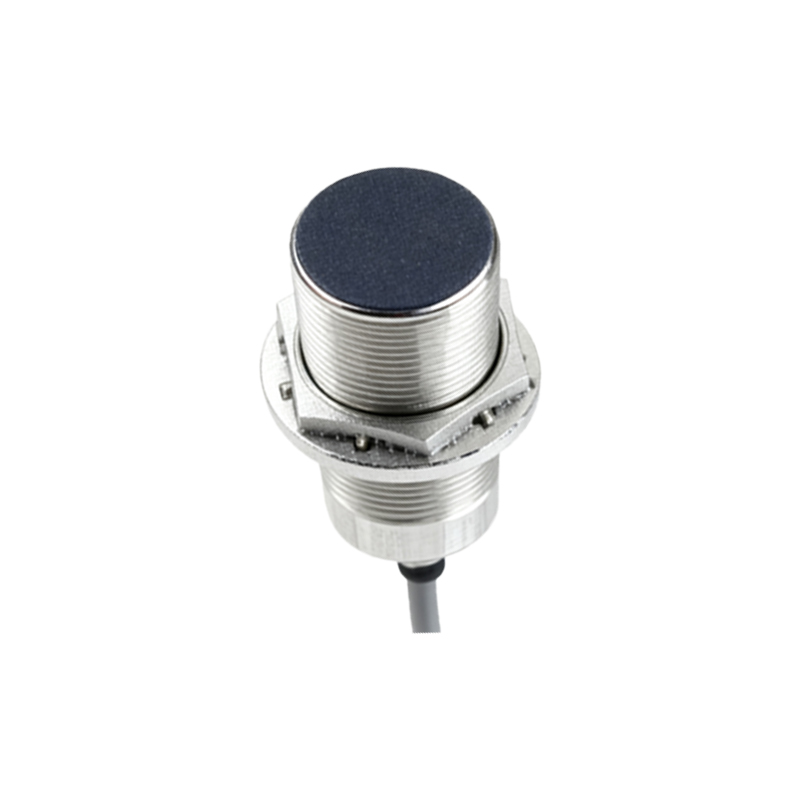
Looking ahead, the future of high-sensitivity proximity sensing is poised for significant advancements driven by innovations in materials, miniaturization, and artificial intelligence. The integration of MEMS (Micro-Electro-Mechanical Systems) technology allows for smaller, more energy-efficient sensors with enhanced sensitivity ranges. AI and machine learning algorithms can enable predictive maintenance and adaptive sensing, where sensors self-optimize based on real-time data. Emerging trends also include the development of multi-modal sensors that combine proximity sensing with other functions like temperature or pressure measurement, offering comprehensive environmental awareness. As industries move towards greater automation and connectivity, the demand for these sensors will continue to grow, emphasizing the need for robust, cost-effective solutions that can meet stringent performance standards.
In conclusion, high-sensitivity proximity sensing sensors represent a cornerstone of modern technological systems, bridging the gap between physical objects and digital control. By understanding their principles, applications, and future directions, engineers and industry professionals can leverage these tools to drive innovation, enhance operational safety, and create smarter, more responsive environments. As research progresses, we can expect even more refined sensors that push the boundaries of what is possible in non-contact detection.