Proximity photoelectric sensors are indispensable components in modern industrial automation, playing a critical role in object detection, positioning, and counting without physical contact. Their operation hinges on the interaction between emitted light and the target object. Fundamentally, these sensors consist of two main parts: an emitter (light source) and a receiver (photodetector). The emitter, typically a Light Emitting Diode (LED), generates a beam of light. This light is modulated at a specific frequency to enhance immunity to ambient light interference. Common light sources include visible red, infrared, and laser LEDs, chosen based on application requirements for range, precision, and environmental conditions.
The core working principle can be categorized into three primary modes: through-beam, retro-reflective, and diffuse reflective. Each mode defines the spatial relationship between the emitter, receiver, and the target.
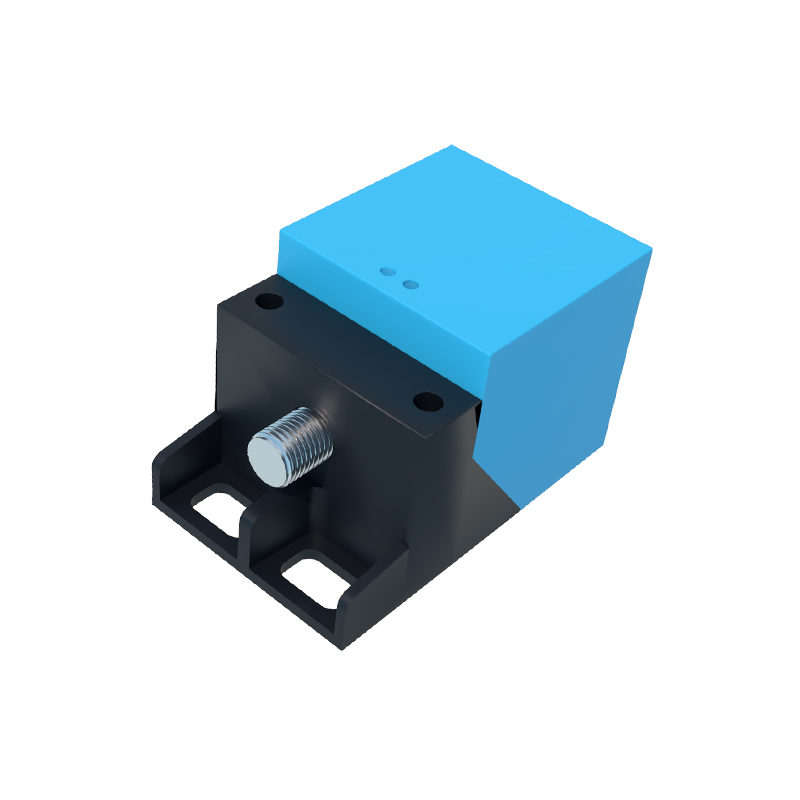
In the through-beam (or opposed) mode, the emitter and receiver are housed in separate units positioned opposite each other. The emitter projects a continuous or pulsed light beam directly towards the receiver. Detection occurs when an object passes between the two, interrupting the light beam. This mode offers the longest sensing distances and highest reliability, as it is less affected by the object's color, reflectivity, or surface finish. It is ideal for precise detection in high-speed packaging or assembly lines.
The retro-reflective mode utilizes a single housing containing both the emitter and receiver, along with a separate reflector (like a prismatic reflector tape) placed opposite the sensor. The emitter's light beam is directed towards the reflector, which bounces it back to the receiver. An object entering the sensing field blocks this reflected beam, triggering the sensor. This mode simplifies wiring compared to through-beam sensors but requires a clean reflector surface. Some advanced models feature polarization filters to distinguish the reflected light from other shiny objects that might falsely reflect light.
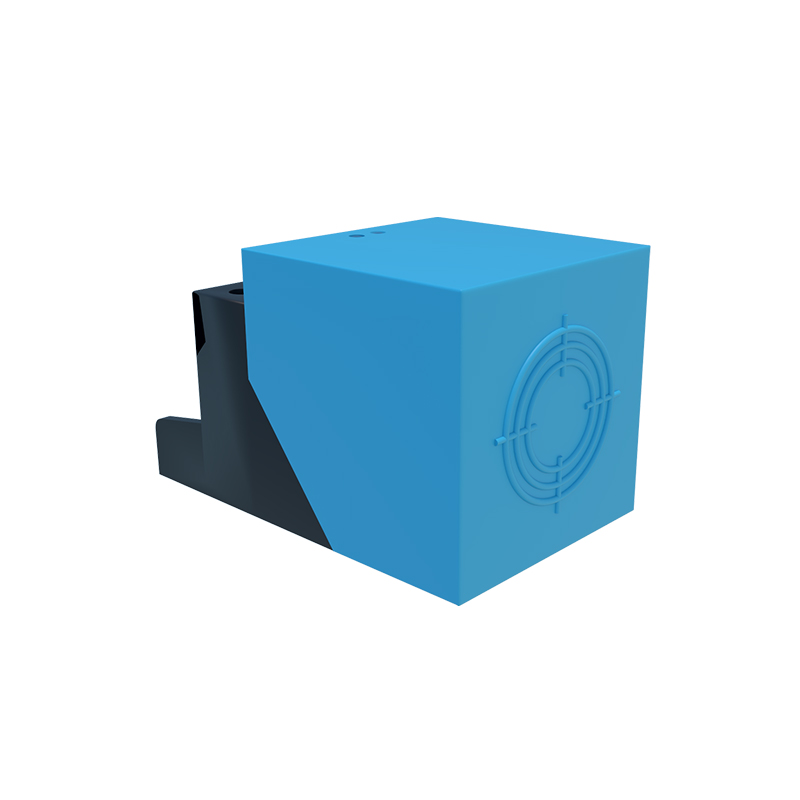
The most common and versatile type is the diffuse reflective (or proximity) mode. Here, the emitter and receiver are also co-located in one unit, but there is no separate reflector. Instead, the sensor detects light reflected directly off the target object itself. The emitter sends out a light beam, and the receiver waits for a portion of this light to be scattered back from the object's surface. Detection is highly dependent on the object's size, color, and texture—lighter, more reflective materials are easier to detect than dark, absorptive ones. Sensing distance is typically shorter than the other modes. Modern diffuse sensors often incorporate background suppression or foreground suppression technologies. Background suppression uses triangulation principles to detect objects only within a precise, defined range, ignoring more distant surfaces. Foreground suppression performs the opposite, detecting objects very close to the sensor face.
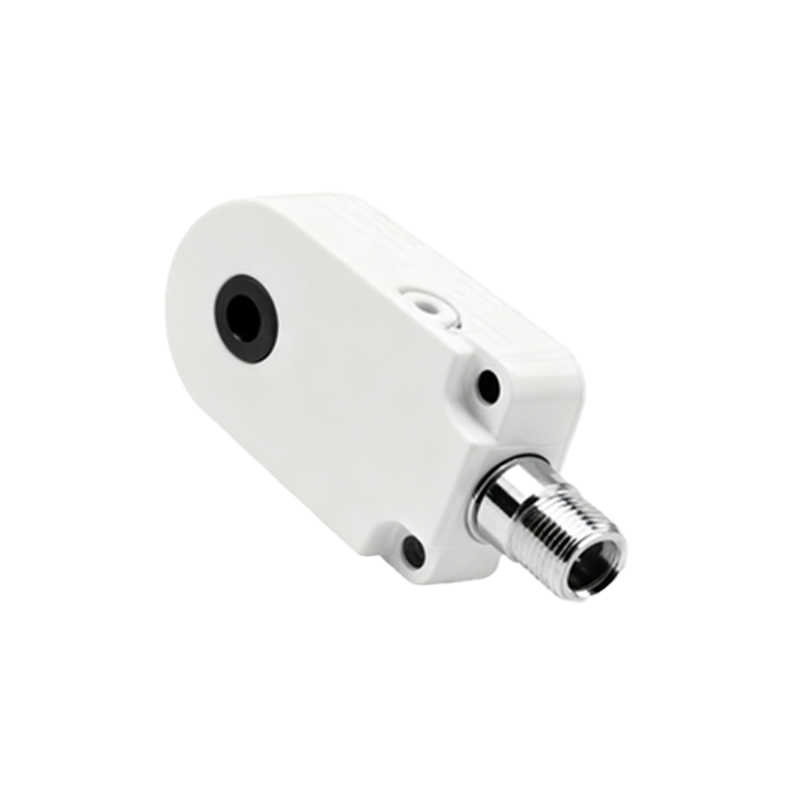
Key performance parameters for engineers to consider include sensing distance, repeat accuracy, response time, and environmental robustness. Factors like dust, fog, or intense ambient light can affect performance, leading to the development of sensors with robust housings (IP67/IP69K ratings), specialized lenses, and advanced circuitry for constant monitoring of lens contamination.
Applications are vast, spanning automotive manufacturing (robot guidance, part presence verification), food and beverage (bottle/can counting on conveyors), material handling (pallet detection, stack height control), and electronics assembly (PCB positioning). The choice between sensing modes depends entirely on the specific mechanical setup, required reliability, and characteristics of the target object.
In conclusion, proximity photoelectric sensors provide a reliable, non-contact solution for myriad detection tasks. Understanding the nuanced differences between through-beam, retro-reflective, and diffuse reflective operating principles is essential for selecting the optimal sensor. This ensures robust system performance, minimizes downtime, and enhances the efficiency and safety of automated industrial processes.