In the realm of industrial automation and control systems, proximity switch sensors are indispensable components for detecting the presence or absence of objects without physical contact. Traditionally, these sensors rely on an external power supply to energize their internal circuitry, generating an electromagnetic field or optical signal for detection. However, advancements in sensor technology have led to the development of proximity switches that can operate without a dedicated power source, leveraging alternative energy harvesting methods or passive design principles.
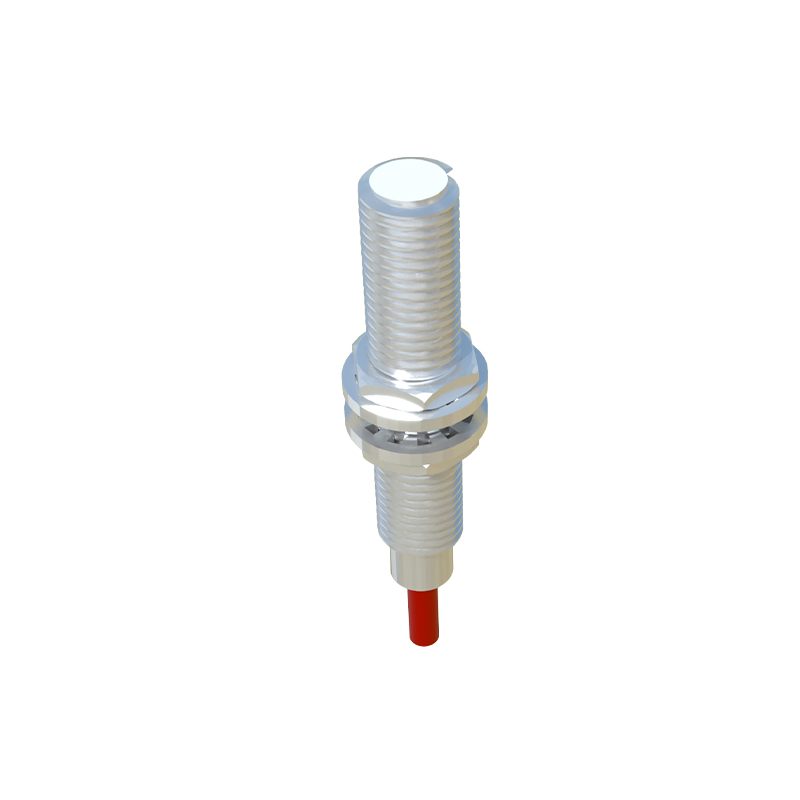
One prominent approach involves the use of passive inductive or capacitive proximity sensors. These devices do not require an external power supply because they operate based on changes in the magnetic or electric fields caused by the target object. For instance, a passive inductive proximity sensor utilizes a coil and a permanent magnet. When a ferrous metal object enters the sensor's detection range, it alters the magnetic flux through the coil, inducing a voltage signal that can be processed by connected control units. This principle is akin to that of a variable reluctance sensor, where the movement of the target generates electrical energy through electromagnetic induction, eliminating the need for an external power source. Similarly, passive capacitive sensors detect changes in capacitance when an object enters their field, relying on the inherent electrical properties of the system to produce a measurable signal.
Another innovative method is energy harvesting, where proximity switches scavenge minimal energy from their environment to function. This can include harvesting vibrational energy from machinery, thermal energy from temperature gradients, or even ambient radio frequency (RF) waves. For example, piezoelectric materials can convert mechanical vibrations from nearby equipment into electrical energy, powering the sensor's detection circuitry. Such self-powered sensors are particularly valuable in remote or hard-to-access locations where wiring for power is impractical or costly. They enhance system reliability by reducing dependency on external power grids and batteries, which may fail or require maintenance.
The design of these power-free proximity switches often incorporates low-power microelectronics and efficient signal processing algorithms. By minimizing energy consumption, sensors can operate effectively with the scant energy harvested or induced. In some cases, these sensors employ a wake-on-proximity mechanism, remaining in a dormant, near-zero power state until a target object is detected, at which point they activate fully to process the signal. This further conserves energy and extends operational life.
Applications for proximity sensors without external power are diverse, spanning automotive, aerospace, manufacturing, and smart infrastructure. In automotive systems, they might be used for gear position sensing or brake wear detection, where wiring complexity is a concern. In industrial settings, they can monitor machinery health or count products on conveyor belts without adding power cables. The benefits include reduced installation costs, enhanced safety by eliminating electrical hazards, and increased flexibility in sensor placement.
However, challenges persist, such as limited detection range and sensitivity compared to powered counterparts, as well as potential interference from environmental factors. Ongoing research focuses on improving energy efficiency, expanding detection capabilities, and integrating these sensors into the Internet of Things (IoT) for wireless data transmission. As technology evolves, power-free proximity switches are poised to play a crucial role in sustainable and autonomous industrial ecosystems, driving innovation in sensor design and application.