In industrial automation and process control, the demand for reliable sensing solutions in high-temperature environments has driven significant advancements in proximity sensor technology. Among these, 5mm sensing distance high-temperature proximity sensors represent a critical category, engineered to deliver precision and durability where conventional sensors fail. This article delves into the technical specifications, operational principles, selection criteria, and application best practices for these robust devices.
High-temperature proximity sensors with a 5mm range are typically designed using specialized materials and construction techniques. The core sensing technology often involves inductive, capacitive, or, less commonly in extreme heat, magnetic principles. Inductive sensors, detecting metallic objects, are prevalent. Their coils are wound with high-temperature-rated wire, and the oscillator circuit is designed with components rated for continuous operation at elevated temperatures, often exceeding 120°C and reaching up to 200°C or more for specific models. The 5mm nominal sensing distance is a standardized offering, providing a close-range detection solution ideal for cramped, hot zones like inside machinery, near molten material handling, or in curing ovens.
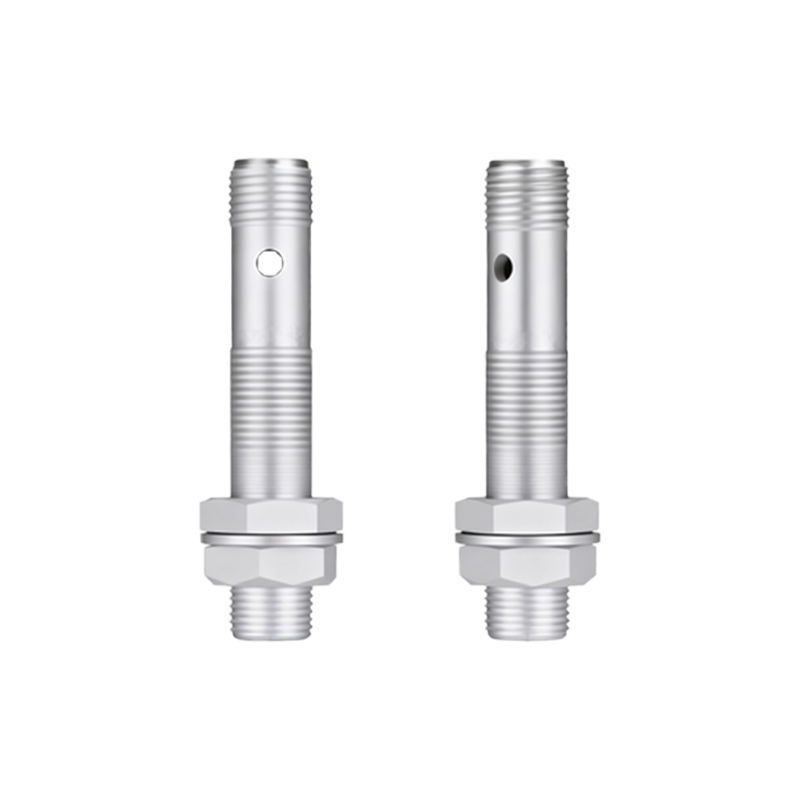
The housing material is paramount. Stainless steel, particularly grades like 316L for corrosive atmospheres, is standard. For the sensing face, high-temperature PEEK (Polyether Ether Ketone) or ceramic composites are employed instead of standard plastics. These materials ensure the sensor body does not degrade, melt, or lose mechanical integrity. Internal potting compounds are silicone-based or other thermally stable resins that protect the electronics from thermal expansion stresses, vibration, and potential chemical exposure.
Electrically, these sensors are built to withstand thermal-induced drift. Advanced designs incorporate temperature compensation circuits that stabilize the switching point across the entire operating temperature range. Output configurations include DC 3-wire (PNP/NPN), IO-Link for smart diagnostics, and sometimes 2-wire AC/DC models. The voltage ranges are tailored for industrial PLC compatibility (e.g., 10-30V DC). A key specification is the derating curve; as ambient temperature rises above a certain point (e.g., 70°C), the maximum allowable current or switching frequency may decrease to prevent internal overheating.
Selection of a 5mm high-temperature proximity sensor requires a meticulous analysis of the application parameters. First, define the actual sustained ambient temperature and potential peak temperatures. Consider the target material (steel, aluminum, brass) and its temperature, as a hot target can further heat the sensor via radiation. The installation environment is crucial: exposure to oils, coolants, or welding spatter necessitates specific ingress protection ratings (IP67, IP69K). For washdown areas in food processing, even at high temperatures, specific hygienic designs are required.
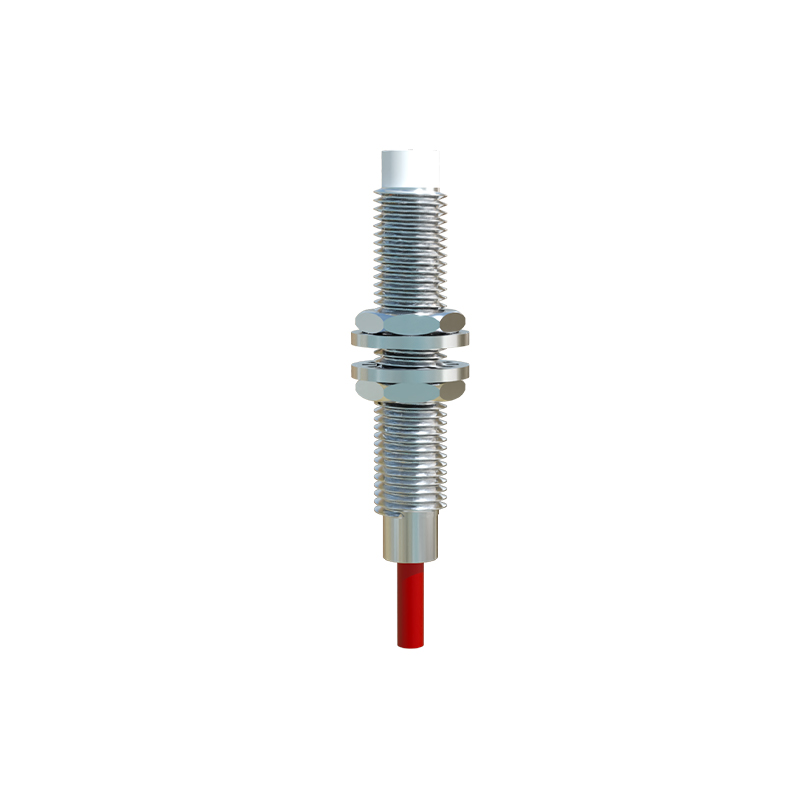
Mounting plays a critical role in performance and longevity. Flush-mountable designs are common, allowing installation in metal without loss of sensing distance. Non-flush models offer a longer range but require a clear frontal area. Proper mounting involves using high-temperature-rated seals or gaskets to prevent heat ingress along the threads. Adequate thermal isolation, such as using a mounting bracket or spacer to distance the sensor body from an extreme heat source, can significantly extend service life.
Applications are widespread across demanding sectors. In die-casting and foundries, they detect molten metal ladles or molds. In plastic injection molding, they sense hot runner system components. In automotive manufacturing, they operate near paint curing ovens or welding cells. In glass manufacturing, they monitor bottle positions in annealing lehrs. In food processing, they function in baking or sterilization tunnels. Their robustness ensures machine safety, process reliability, and reduced downtime from sensor failure.
Maintenance, though minimal, is essential. Regular checks for physical damage to the sensing face, accumulation of debris (which can insulate heat and cause false triggers), and verification of the electrical signal under operating conditions are recommended. Leveraging sensors with diagnostic capabilities like IO-Link can provide pre-failure alerts by monitoring parameters like internal temperature or signal strength.
In conclusion, the 5mm high-temperature proximity sensor is a precision instrument, not merely a component. Its value lies in enabling automation in the most hostile thermal environments. Success hinges on a thorough understanding of its technical limits, correct selection based on a comprehensive application audit, and proper installation. By specifying these sensors correctly, engineers ensure resilience, accuracy, and longevity, ultimately protecting capital investments and maintaining continuous production flow in the face of intense heat.