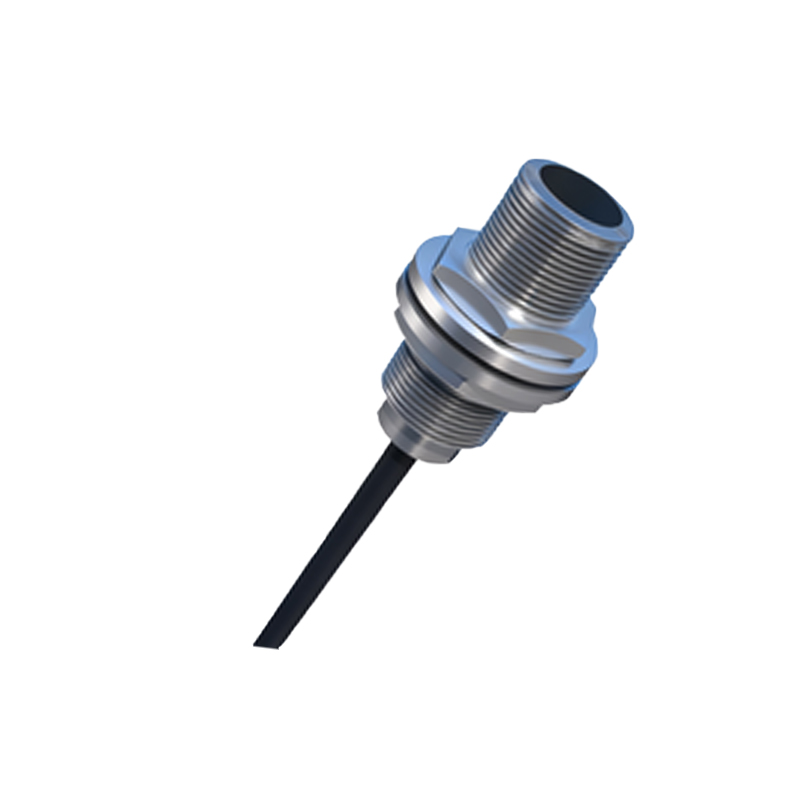
In the dynamic field of industrial automation and control systems, engineers often face the challenge of adapting existing components to meet new operational requirements. One such common scenario is the modification of a standard light sensor, or photoelectric sensor, to function as a proximity switch. While dedicated proximity sensors are readily available, repurposing a light sensor can be a cost-effective and innovative solution for specific applications, particularly where object detection without physical contact is needed, but traditional inductive or capacitive proximity sensors are unsuitable. This guide outlines the fundamental principles, practical steps, and critical considerations for undertaking this conversion.
The core function of a standard photoelectric sensor is to detect the presence, absence, or distance of an object using a light transmitter (often an LED or laser) and a receiver. They typically operate in one of three modes: through-beam (separate transmitter and receiver), retro-reflective (bounces light off a reflector), or diffuse (reflects light directly off the target object). To function as a proximity switch, we aim to configure the sensor in the diffuse mode, where the detected object itself reflects the emitted light back to the receiver. The sensor's output then switches state (e.g., from OFF to ON) when the reflected signal strength exceeds a set threshold, indicating the object is within a defined range.
The primary modification involves reconfiguring the sensor's operational parameters and, in some cases, its physical setup. First, ensure the sensor is set to diffuse sensing mode. Modern programmable photoelectric sensors often have this as a selectable mode via a teach-in button or software interface. The most critical adjustment is the sensitivity or threshold setting. This controls how much reflected light is required to trigger the output. For a proximity switch, you must calibrate this sensitivity to correspond to the desired detection distance. This is typically done by placing the target object at the maximum required detection range and activating the teach-in function, allowing the sensor to learn the baseline signal level. Objects coming closer will reflect more light, triggering the switch.
Environmental factors are paramount. Unlike dedicated proximity switches, light sensors are highly susceptible to ambient light interference, dust, fog, and the color or reflectivity of the target object. A glossy white object will be detected at a much greater distance than a matte black one. To mitigate this, consider using sensors with modulated LED light (often pulsed) and a receiver tuned to that specific frequency. This helps the sensor distinguish its own light from ambient background light. Furthermore, installing a physical shield or hood around the sensor head can block stray ambient light and help define a more precise detection field, making its behavior more consistent and similar to a dedicated proximity switch.
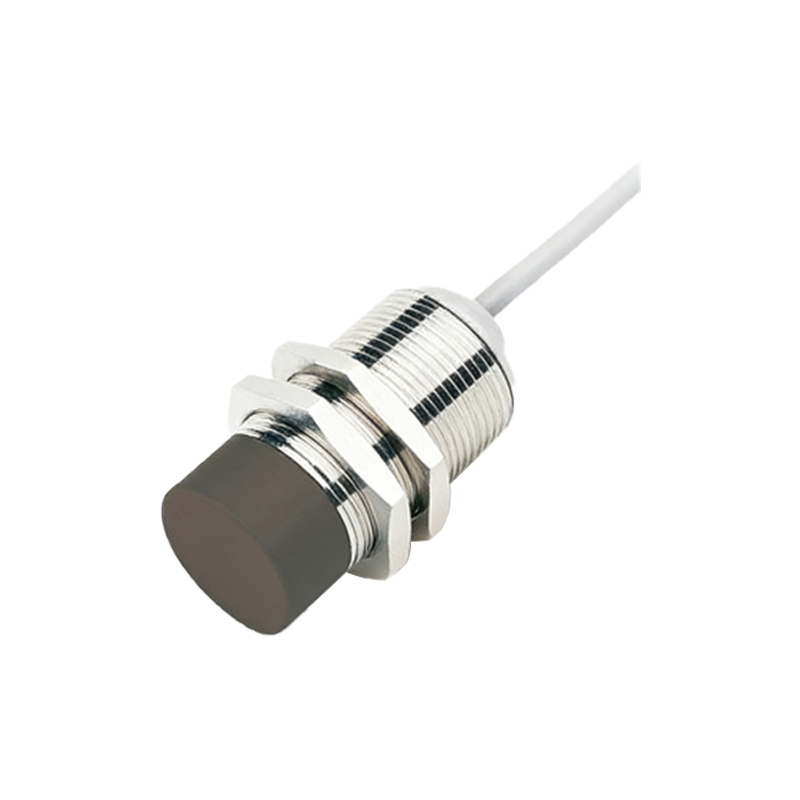
The electrical integration remains straightforward. The output of the photoelectric sensor—whether NPN/PNP transistor, relay, or analog—is used identically to a standard proximity switch. Connect it to your PLC input, relay coil, or other control circuitry. However, you must account for the sensor's response time. Some photoelectric sensors, especially those with background suppression technology for more accurate distance measurement, may have slightly different response times compared to standard inductive proximity switches. Verify this specification against your application's speed requirements.
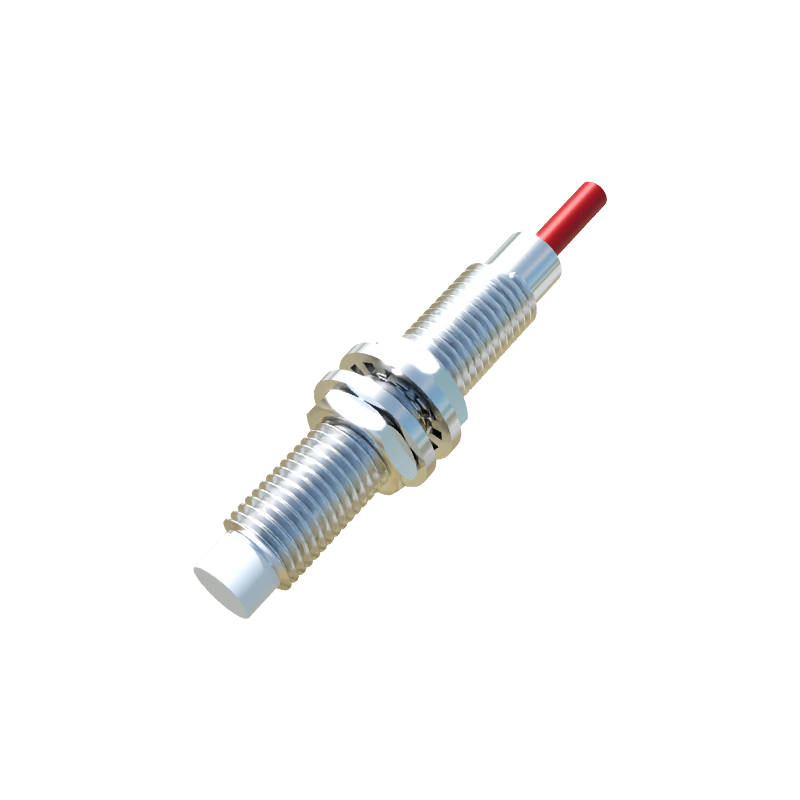
Potential applications for such a converted device are numerous. They are excellent for detecting non-metallic objects—like plastic, wood, or cardboard packages on a conveyor—where inductive sensors fail. They can also be used for level detection in transparent containers or for detecting objects with specific visual patterns. However, it is crucial to recognize the limitations. This solution is not ideal for harsh, dirty environments where lenses can become obscured, or for applications requiring ultra-short detection ranges (sub-millimeter) where specialized capacitive sensors are better suited. Regular maintenance to keep the lens clean is essential for reliable operation.
In conclusion, converting a light sensor into a functional proximity switch is a viable engineering task that leverages the versatility of photoelectric sensing. The key lies in meticulous configuration of the sensing mode and sensitivity, coupled with careful consideration of the target object's properties and the operating environment. By understanding these principles, engineers can effectively extend the functionality of their existing sensor inventory, providing tailored and economical solutions for non-contact object detection challenges in diverse automation systems.