In the realm of industrial automation and electronic control systems, proximity sensors are indispensable components. But what exactly is the common name for these devices? They are universally known as "Proximity Sensors." This term encompasses a family of non-contact sensors designed to detect the presence or absence of an object within a specific range without any physical contact. Their operation hinges on the disturbance of an electromagnetic field, acoustic wave, or beam of light. The primary advantage is clear: elimination of mechanical wear and tear, leading to enhanced reliability and longevity in demanding environments.
Delving deeper, proximity sensors are categorized based on their underlying detection principle. The most prevalent types include Inductive, Capacitive, Ultrasonic, and Photoelectric sensors. Inductive proximity sensors are the workhorses of metal detection. They generate an oscillating electromagnetic field. When a metallic object enters this field, it induces eddy currents within the target, causing a change in the oscillation amplitude. This change is detected by the sensor's circuitry, triggering an output signal. They are ideal for detecting ferrous and non-ferrous metals in machinery, such as in position verification on conveyor lines or in robotic arms.
Capacitive proximity sensors, on the other hand, can detect both metallic and non-metallic materials, including liquids, powders, and plastics. They function by generating an electrostatic field. Any object that enters this field alters the capacitance of the system. This alteration is measured, and when it surpasses a predetermined threshold, the sensor switches its output state. This makes them perfect for applications like liquid level sensing in tanks, paper or glass detection in packaging, and material presence in hoppers.
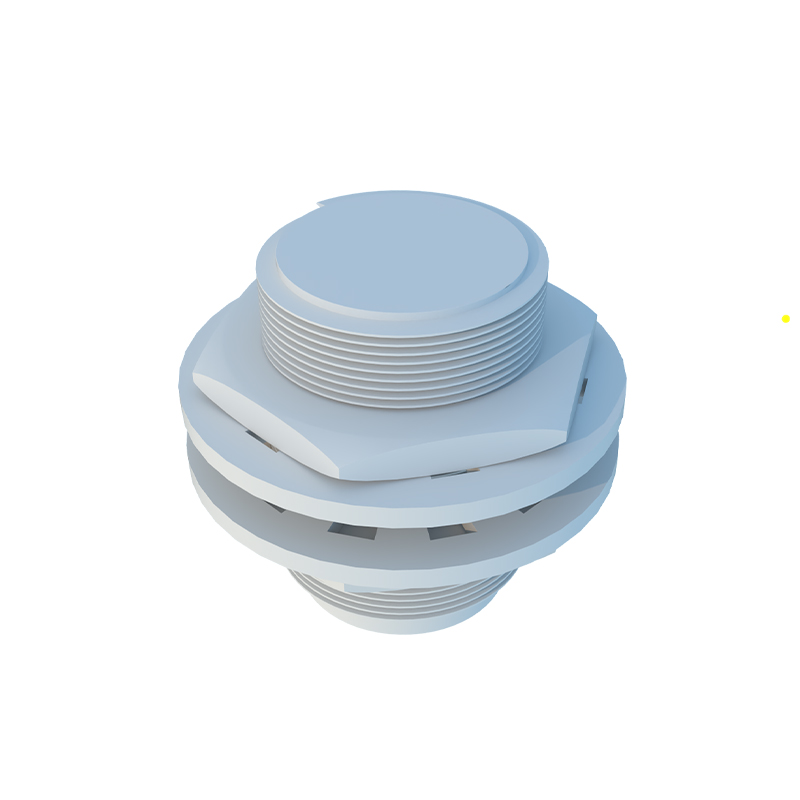
Ultrasonic sensors utilize sound waves beyond the human hearing range. They emit high-frequency acoustic pulses and measure the time taken for the echo to return from a target object. By calculating this time-of-flight, they can determine both presence and distance. These sensors are highly effective for detecting objects of virtually any material, shape, or color, and are commonly used in parking assistance systems, tank level monitoring, and collision avoidance in automated guided vehicles (AGVs).
Photoelectric sensors operate on the principle of light transmission. An emitter sends out a beam of light (visible, infrared, or laser), and a receiver detects it. The detection occurs when the target object either interrupts the beam (through-beam), reflects it back to a receiver housed in the same unit (retro-reflective), or diffuses the light back (diffuse reflective). They offer long sensing ranges and high precision, making them suitable for counting products on high-speed lines, detecting transparent bottles, or ensuring correct positioning.
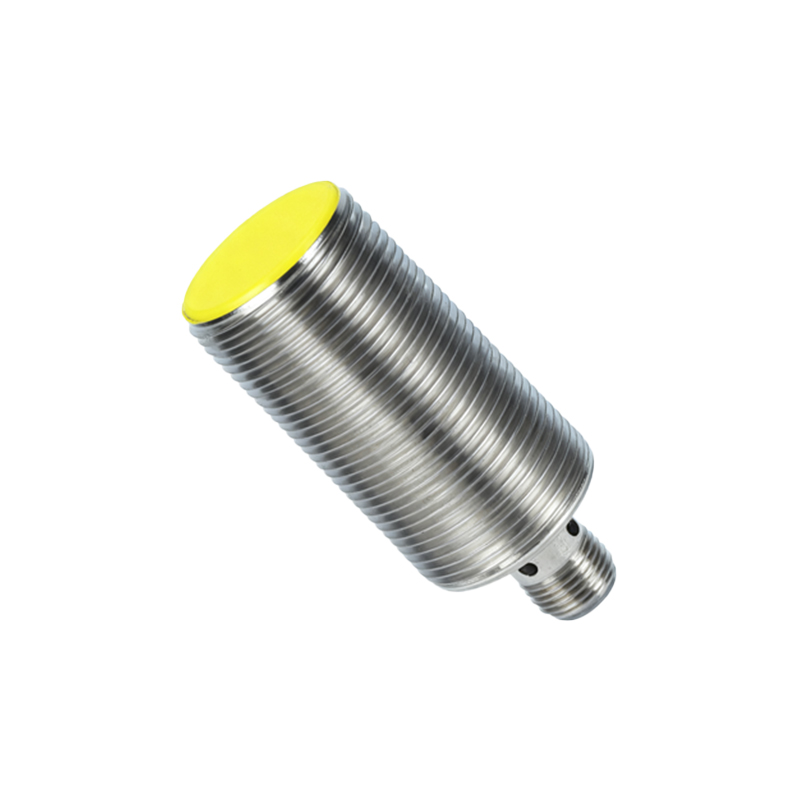
Selecting the appropriate proximity sensor requires careful consideration of several application-specific parameters. The key factors include: the material composition of the target object (metal, plastic, liquid), the required sensing distance or range, the operating environment (temperature, humidity, presence of dust or chemicals), the required output type (digital NPN/PNP, analog, IO-Link), and the response speed needed for the application. For instance, an inductive sensor would be futile for detecting a plastic bottle, just as a capacitive sensor might give false triggers in a very humid environment without proper shielding.
Installation and environmental considerations are equally crucial. Factors like sensor mounting (flush or non-flush for inductive), surrounding metal, electrical noise, and ambient light (for photoelectric sensors) can significantly impact performance. Proper shielding, alignment, and adherence to manufacturer specifications for voltage supply and load current are mandatory for optimal operation.
In conclusion, the generic and technically accurate name is "Proximity Sensor." This umbrella term covers a diverse range of technologies—inductive, capacitive, ultrasonic, and photoelectric—each with distinct operating principles and ideal application niches. Their role in enabling precise, reliable, and maintenance-free object detection is foundational to modern automated systems, from simple assembly stations to complex robotic workcells. Understanding their types, capabilities, and selection criteria is essential for any engineer or technician designing, maintaining, or troubleshooting automated equipment.