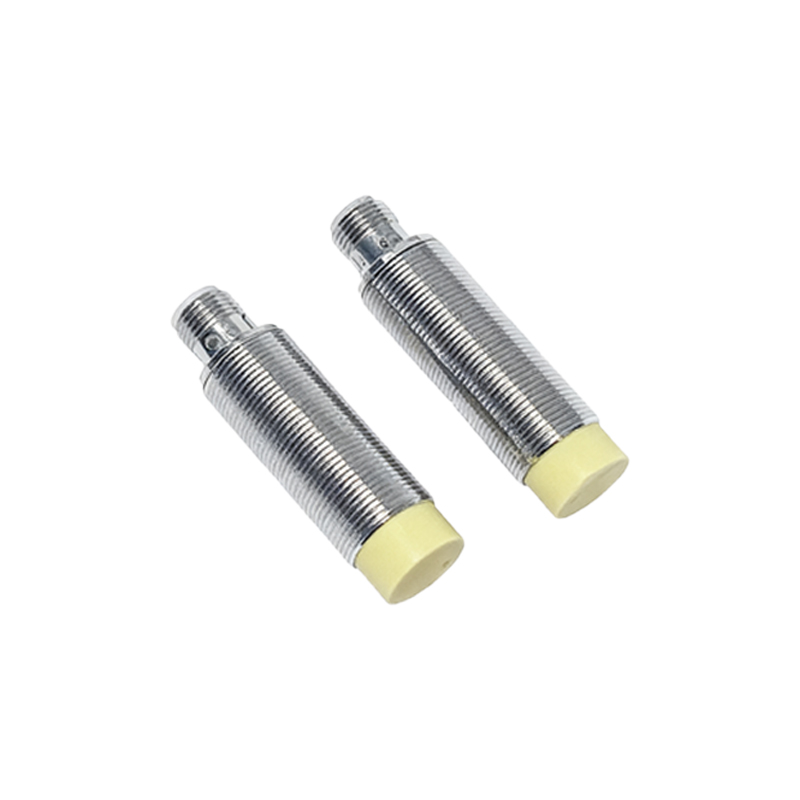
In the realm of industrial automation, proximity sensors play a pivotal role in detecting the presence or absence of objects without physical contact. These devices are integral to numerous applications, from assembly lines and robotics to safety systems and material handling. A critical aspect of their implementation and integration is the proper understanding and utilization of device identifiers. These identifiers are not merely arbitrary labels; they are essential for configuration, communication, and diagnostics within complex control systems.
A proximity sensor device identifier typically refers to a unique code or tag assigned to the sensor within a network or programmable logic controller (PLC) system. This identifier allows the control system to accurately address and interact with the specific sensor. Common formats include alphanumeric strings, numerical addresses (like node IDs in bus systems), or specific memory register locations. In standardized industrial networks such as PROFINET, EtherNet/IP, or IO-Link, the identifier is crucial for mapping the sensor's input data to the correct variable in the control program. For instance, an IO-Link sensor will have a detailed device description file (IODD) that contains its unique identifier along with comprehensive parameter data, enabling seamless plug-and-play functionality and advanced diagnostics.
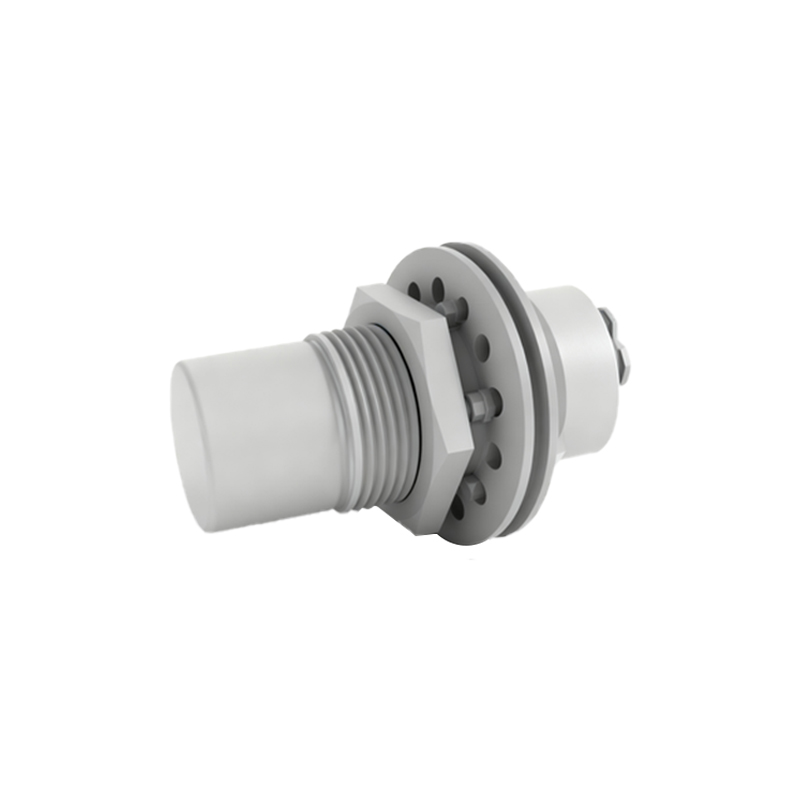
The structure and assignment of these identifiers often depend on the communication protocol and the system architecture. In a simple hard-wired setup, the identifier might correspond to a specific input channel number on a digital input module. In more sophisticated networked environments, identifiers can include the device's vendor ID, device type, serial number, or even functional descriptors. This granularity is vital for maintenance and troubleshooting. When a sensor malfunctions, the identifier logged in the control system's alarm or event history allows technicians to quickly locate the physical device on the factory floor, access its documentation, and analyze its performance data.
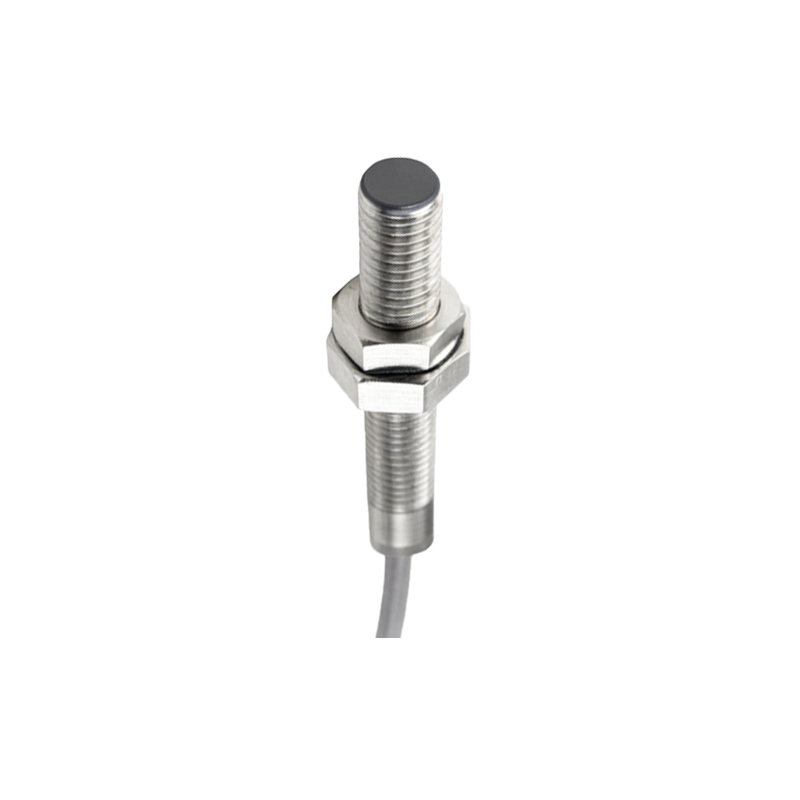
Furthermore, proper management of device identifiers is fundamental for system scalability and flexibility. During system expansion or sensor replacement, correctly assigning and documenting identifiers prevents address conflicts and ensures data integrity. Best practices involve maintaining a detailed asset register that cross-references the sensor's physical location, its model number, and its software identifier. This practice is a cornerstone of modern Industrial Internet of Things (IIoT) and Industry 4.0 initiatives, where data from individual sensors is aggregated for analytics and predictive maintenance. A well-defined identifier becomes a key that unlocks the sensor's data stream within the larger digital ecosystem.
From a technical specification perspective, engineers must pay close attention to the identifier requirements when selecting sensors and designing networks. Some protocols mandate unique identifiers, while others allow for user-defined tags. Understanding the nuances of how identifiers are established—whether through hardware dip switches, software configuration tools, or automatic discovery protocols—is essential for efficient commissioning. Misconfiguration of a sensor's identifier can lead to communication failures, erroneous machine operations, or production downtime.
In conclusion, the proximity sensor device identifier is a small but mighty component of industrial automation infrastructure. It bridges the physical sensor with the digital control world, enabling precise, reliable, and intelligent operation. As systems grow more interconnected and data-driven, the role of clear, consistent, and well-managed device identifiers will only become more pronounced, ensuring operational efficiency and facilitating the transition towards smarter, more adaptive manufacturing environments.