In the rapidly evolving landscape of industrial automation, proximity sensors have become indispensable components, enabling precise detection, safety, and efficiency across diverse applications. As an experienced electrical engineer, I have witnessed firsthand the transformative impact of these devices, which range from inductive and capacitive sensors to ultrasonic and photoelectric variants. Leading enterprises in this sector are not merely manufacturers; they are innovators driving the future of smart factories, robotics, and IoT integration.
One of the foremost companies in this domain is Sick AG, a German-based powerhouse renowned for its high-precision sensors and automation solutions. Sick's proximity sensors, such as the IM series, are celebrated for their robustness in harsh environments, offering reliable object detection even in extreme temperatures or dusty conditions. Their integration with Industry 4.0 platforms allows for real-time data analytics, predictive maintenance, and seamless connectivity with PLC systems. This emphasis on digitalization positions Sick at the forefront of the smart manufacturing revolution, where sensors act as critical data points for optimizing production lines.
Another key player is Omron Corporation, a Japanese leader with a rich history in electronic components. Omron's E2E proximity sensors exemplify innovation through miniaturization and enhanced sensing ranges. These devices are integral to automotive assembly lines, where they ensure precise positioning of parts, and in packaging machinery, where they detect materials without physical contact. Omron's focus on energy efficiency and durability aligns with global sustainability trends, reducing waste and operational costs. Their R&D investments in AI-driven sensors further highlight a commitment to adaptive automation, where sensors can learn and respond to dynamic industrial environments.
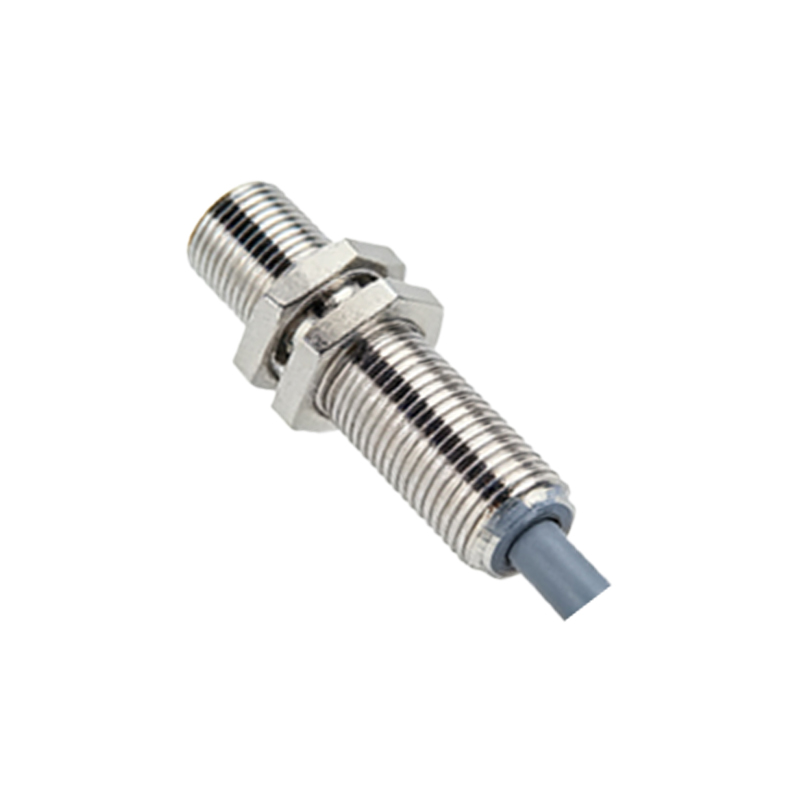
In North America, Rockwell Automation stands out for its comprehensive approach to industrial control. Their Allen-Bradley line of proximity sensors is designed for seamless integration with Rockwell's control systems, providing a unified ecosystem for manufacturers. These sensors are pivotal in safety applications, such as machine guarding and hazard detection, preventing accidents in high-risk areas. Rockwell's emphasis on cybersecurity in sensor networks addresses growing concerns in connected industries, ensuring that data transmission remains secure from breaches. This holistic view—combining hardware, software, and security—makes Rockwell a trusted partner for large-scale automation projects.
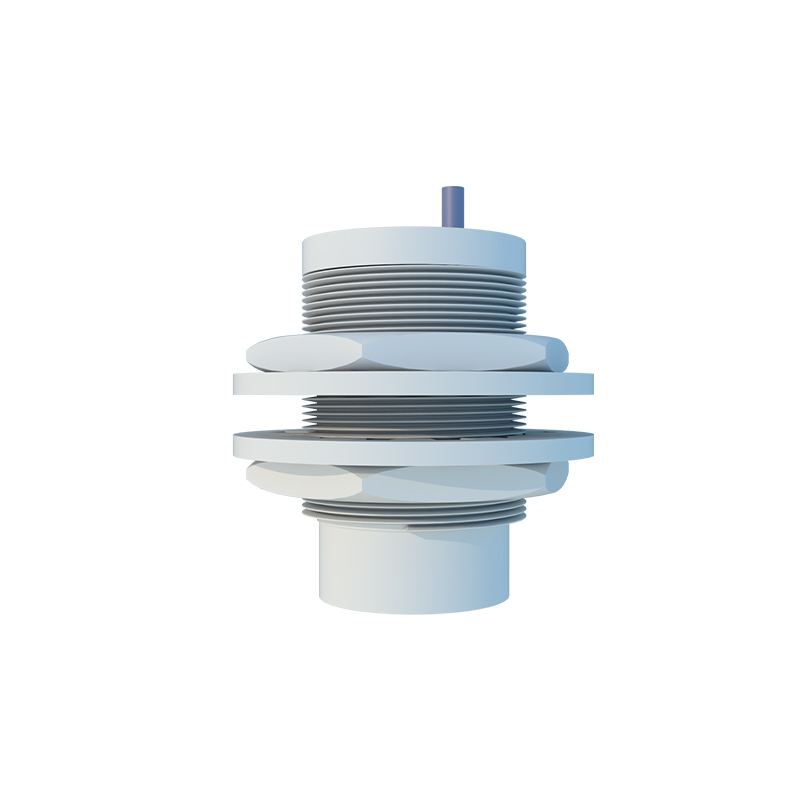
Emerging trends are also shaping the industry. The rise of IIoT (Industrial Internet of Things) has spurred demand for sensors with embedded intelligence, capable of self-diagnosis and wireless communication. Companies like Pepperl+Fuchs, a German specialist in sensor technology, are pioneering solutions like IO-Link interfaces, which enable bidirectional data exchange and parameter configuration on-the-fly. This flexibility reduces downtime and enhances customization, allowing engineers to adapt sensors to specific tasks without hardware changes. Additionally, the adoption of MEMS (Micro-Electro-Mechanical Systems) technology is enabling smaller, more cost-effective sensors, expanding applications into consumer electronics and medical devices.
Challenges persist, however. Engineers must navigate issues like electromagnetic interference, material compatibility, and calibration in complex setups. For instance, capacitive sensors may struggle with non-metallic objects, while ultrasonic sensors face limitations in noisy environments. Leading firms address these through rigorous testing and application-specific designs, offering tailored support to clients. As automation spreads to sectors like agriculture and logistics, the demand for rugged, versatile sensors will only grow, pushing companies to innovate further.
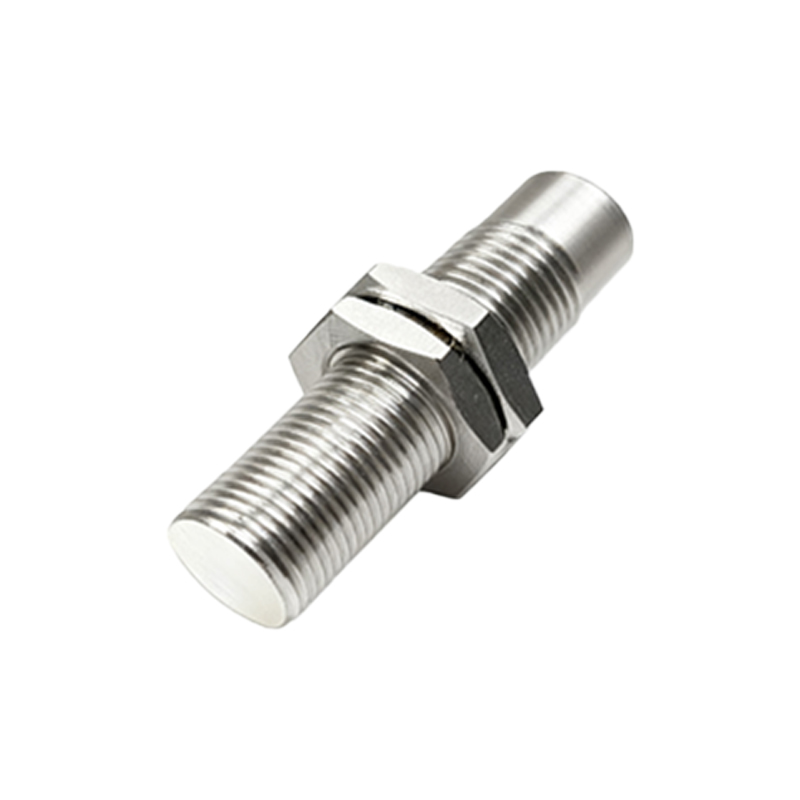
In conclusion, the proximity sensor industry is a dynamic field where technological advancement and practical application converge. Enterprises like Sick, Omron, and Rockwell are not just supplying components; they are enabling smarter, safer, and more efficient industrial ecosystems. For engineers and decision-makers, staying informed about these leaders and trends is crucial for leveraging automation's full potential. As we move toward an increasingly connected world, the role of proximity sensors will continue to expand, underpinning the next wave of industrial innovation.