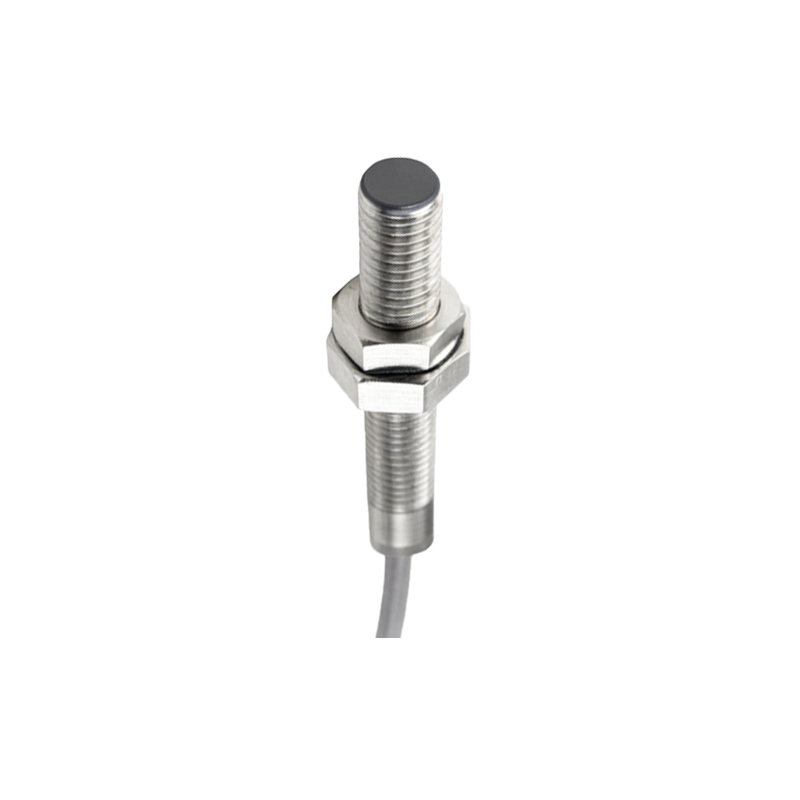
In the rapidly evolving landscape of industrial automation, the strategic supply and integration of proximity sensors have become a cornerstone for operational excellence. These non-contact detection devices are pivotal in modern manufacturing, logistics, and process control systems. The primary reason to supply and utilize proximity sensors lies in their unparalleled ability to enhance efficiency, ensure safety, and provide reliable data for smart systems.
Unlike mechanical limit switches, proximity sensors detect the presence or absence of an object without physical contact. This fundamental characteristic eliminates mechanical wear and tear, dramatically increasing the lifespan of both the sensor and the target object. In high-cycle production lines, such as automotive assembly or packaging, this translates to significantly reduced maintenance downtime and lower total cost of ownership. The reliability of solid-state sensing ensures consistent operation over millions of cycles, a critical factor for just-in-time manufacturing where unexpected stoppages incur massive costs.
Safety is another paramount driver for supplying these sensors. In environments with hazardous materials, explosive atmospheres, or heavy machinery, proximity sensors provide a critical layer of protection. By accurately detecting the position of guards, doors, or personnel through specialized safety-rated versions, they can initiate emergency stops or lockouts, preventing accidents. Their non-contact nature is especially valuable in cleanroom settings or when handling delicate products, as they prevent contamination and physical damage.
The push towards Industry 4.0 and the Industrial Internet of Things (IIoT) further underscores the necessity to supply advanced proximity sensors. Modern sensors are not just binary switches; they are intelligent nodes capable of providing diagnostic data. They can communicate parameters like temperature, signal strength, or switch-cycle counts via IO-Link or other industrial protocols. This data enables predictive maintenance, allowing engineers to replace a sensor before it fails, thus moving from reactive to proactive asset management. Supplying sensors with these smart capabilities is essential for building a data-driven, interconnected factory floor.
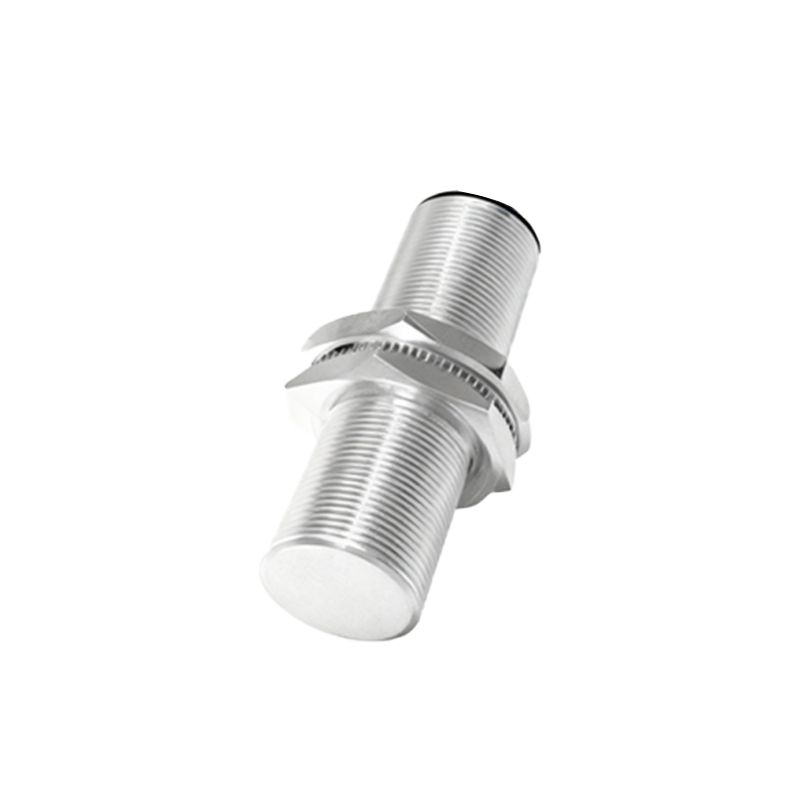
Furthermore, the variety of sensing technologies—inductive, capacitive, ultrasonic, and magnetic—allows for precise application matching. Supplying the right type is crucial. Inductive sensors, for instance, are ideal for detecting metals in machine tooling, while capacitive sensors can detect liquids, plastics, or grains through non-metallic containers. This versatility means a well-curated supply of proximity sensors can address a vast array of challenges, from precise position feedback in robotics to level detection in silos.
From a design and integration perspective, supplying compact and robust proximity sensors facilitates sleek machine design. Modern sensors are available in extremely small form factors, capable of withstanding harsh conditions involving extreme temperatures, vibration, and washdowns. This allows OEMs to build more compact, efficient, and resilient equipment. The standardization of mounting styles and output configurations also simplifies inventory management and replacement for end-users.
In conclusion, the decision to supply proximity sensors is driven by a compelling combination of technical and economic benefits. They are fundamental components that boost productivity by enabling faster, non-contact detection; enhance workplace safety through reliable presence monitoring; and serve as critical data points for intelligent automation systems. As industries continue to automate and digitize, a robust and technologically advanced supply of proximity sensors is not merely an option but a strategic imperative for maintaining competitive advantage, ensuring operational safety, and achieving sustainable, efficient production. Investing in the supply of high-quality, application-specific proximity sensors is an investment in the foundational intelligence and reliability of modern industrial infrastructure.