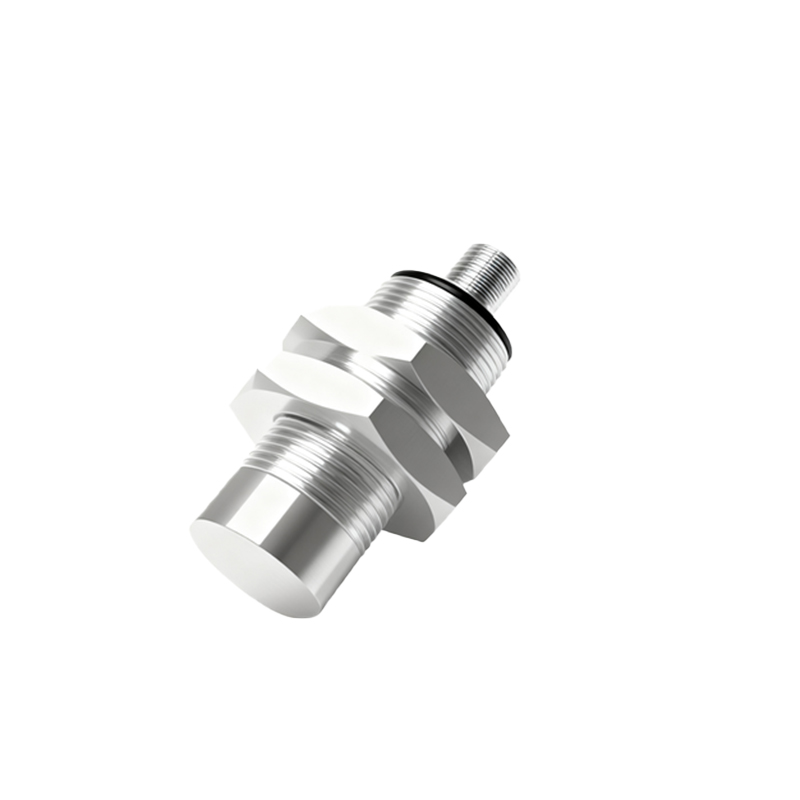
In the realm of industrial automation, proximity sensors are indispensable components, providing non-contact detection of metallic and non-metallic objects. Their precision directly impacts system reliability, making calibration a critical maintenance procedure. A key aspect often encountered by engineers is the calibration password—a security feature designed to prevent unauthorized adjustments. This article delves into the technical nuances of proximity sensor calibration passwords, offering best practices for professionals.
Calibration passwords are typically implemented in programmable or smart proximity sensors. These sensors, often equipped with microprocessors and digital interfaces, allow for fine-tuning parameters such as sensing distance, hysteresis, and output delay. The password acts as a gatekeeper, ensuring that only qualified personnel with the correct credentials can modify these settings. This is crucial in complex production lines where an inadvertent change could lead to machine downtime, product defects, or safety hazards.
The structure of these passwords varies by manufacturer and model. Common formats include numeric PINs, alphanumeric codes, or even hardware keys. For instance, some industrial-grade sensors from leading brands use a default password like "0000" or "admin," which must be changed during initial setup. It is a standard security protocol to modify default passwords immediately to prevent unauthorized access. The password is usually entered via a handheld programmer, software interface, or directly on a sensor's HMI (Human-Machine Interface) panel.
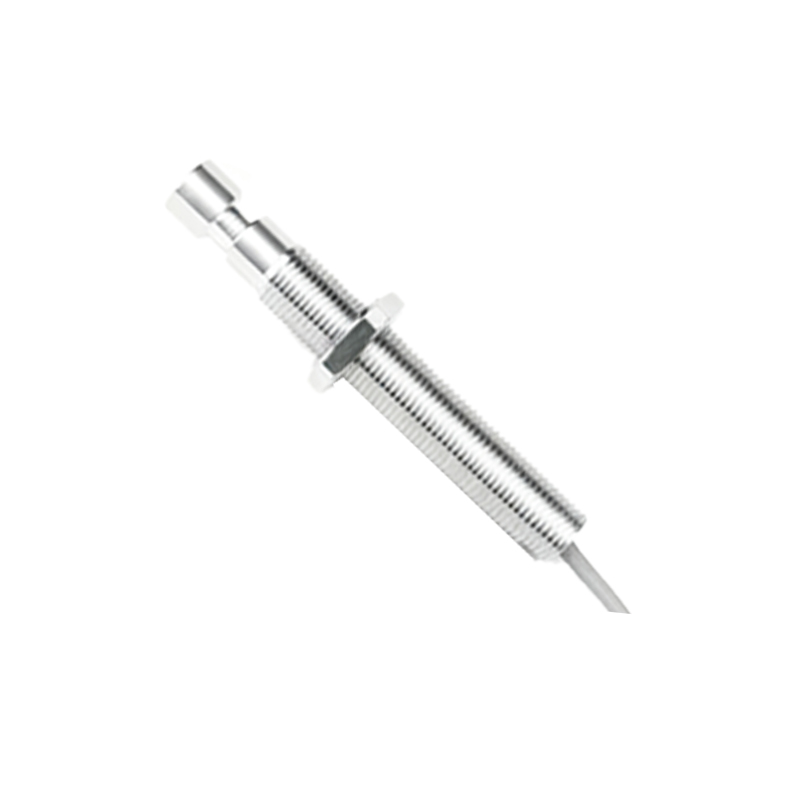
The calibration process itself, once access is granted, involves several steps. Engineers must first ensure the sensor is installed correctly and exposed to the target object under normal operating conditions. Using the calibration menu, they can adjust the threshold values. For inductive sensors detecting metals, this might involve setting the optimal point where the sensor triggers without false positives from environmental interference. Capacitive sensors for non-metallics require careful tuning to ignore background materials. The password-protected menu often includes advanced options: temperature compensation, output configuration (NPN/PNP), and fail-safe modes.
Losing or forgetting the calibration password poses a significant operational challenge. In such cases, standard procedure involves contacting the sensor manufacturer or authorized distributor with proof of ownership and device serial number. Many manufacturers provide master reset options, but these may revert all settings to factory defaults, necessitating a full recalibration. Some advanced systems integrate with centralized industrial control networks, allowing password recovery through IT administration protocols. As a best practice, maintaining a secure, encrypted log of all sensor passwords is recommended, ideally within a plant's asset management system.
From a security perspective, calibration passwords are a layer in the broader Industrial Control System (ICS) cybersecurity framework. With the rise of Industry 4.0 and IIoT (Industrial Internet of Things), sensors are increasingly network-connected, making them potential cyber-physical vulnerabilities. Weak passwords can be exploited. Hence, guidelines from standards like IEC 62443 recommend strong, regularly updated passwords and role-based access control. Engineers should avoid common codes and use combinations that blend letters, numbers, and symbols where supported.
In practical field scenarios, calibration frequency depends on environmental factors such as vibration, temperature extremes, and contaminant exposure. A well-calibrated sensor enhances efficiency, reduces waste, and prolongs equipment life. The password, while a small detail, is the guardian of these settings. Training for maintenance teams should emphasize both the technical steps of calibration and the importance of password management.
Ultimately, understanding proximity sensor calibration passwords is part of a larger commitment to precision engineering and operational security. As sensors grow smarter, their calibration interfaces will become more sophisticated, possibly incorporating biometric or multi-factor authentication. Staying informed about these developments ensures that industrial systems remain both accurate and secure in an evolving technological landscape.