Infrared proximity sensors are widely used in various industrial and consumer applications due to their reliability, cost-effectiveness, and non-contact detection capabilities. These sensors operate by emitting infrared light and measuring the reflection from objects within their detection range. The basic principle involves an infrared LED that emits light and a photodiode or phototransistor that detects the reflected signal. When an object enters the sensor's field of view, the infrared light bounces back, and the receiver converts this into an electrical signal, which is then processed to determine the object's presence or distance.
One of the key advantages of infrared proximity sensors is their ability to function in diverse environments, including low-light or dark conditions, as they rely on their own light source rather than ambient light. This makes them ideal for applications such as automatic door systems, robotics, assembly lines, and touchless interfaces. For instance, in manufacturing, these sensors can detect the position of components on a conveyor belt, ensuring precise automation without physical contact, which reduces wear and tear. In consumer electronics, they are commonly found in smartphones to disable the screen during calls, saving power and preventing accidental touches.
There are several types of infrared proximity sensors, including analog and digital variants. Analog sensors provide continuous output proportional to the distance of the object, allowing for precise measurements in applications like level sensing or object tracking. Digital sensors, on the other hand, offer a simple on/off output, making them suitable for basic detection tasks such as obstacle avoidance in robots or presence detection in security systems. Additionally, some advanced models incorporate ambient light rejection features to minimize interference from external light sources, enhancing accuracy in outdoor or brightly lit settings.
When selecting an infrared proximity sensor, engineers must consider factors such as detection range, response time, power consumption, and environmental conditions. Typical detection ranges vary from a few centimeters to several meters, depending on the sensor's design and infrared wavelength used (often around 850 nm or 940 nm). Response time is critical in high-speed applications, with many sensors capable of millisecond-level reactions. Power efficiency is another important aspect, especially for battery-operated devices, where low-power modes can extend operational life.
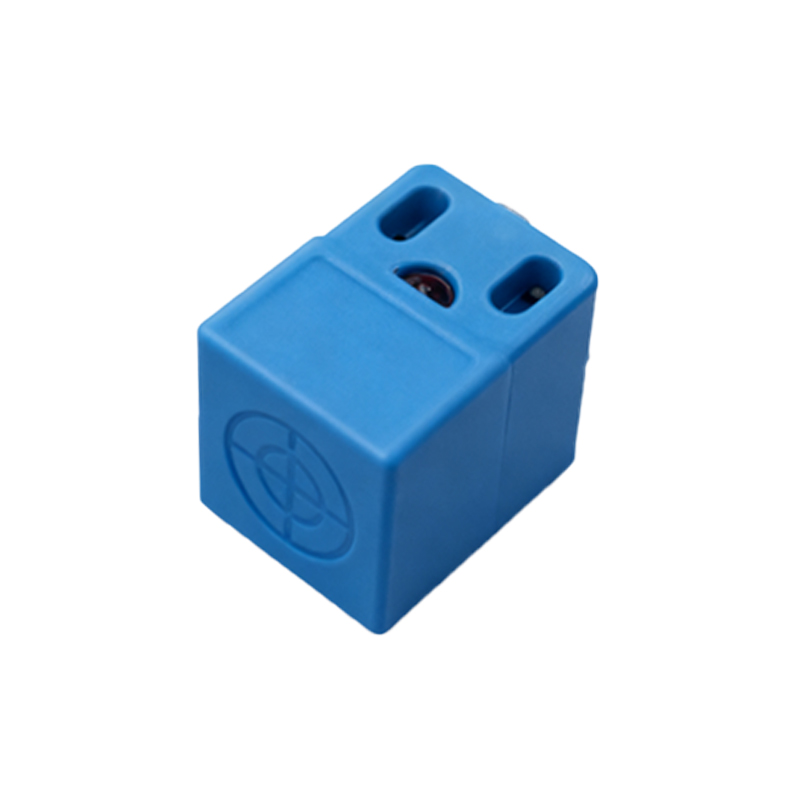
In terms of installation and maintenance, infrared proximity sensors are relatively straightforward to integrate into systems. They often come in compact housings with mounting options for easy attachment to machinery or enclosures. However, challenges may arise from reflective surfaces, dust, or temperature fluctuations, which can affect performance. Regular calibration and cleaning of the lens are recommended to ensure consistent operation. For harsh industrial environments, sensors with IP ratings for dust and water resistance are available to enhance durability.
Looking ahead, innovations in infrared technology continue to expand the capabilities of proximity sensors. Developments in multi-sensor arrays and integration with IoT (Internet of Things) platforms enable smarter, connected systems for applications like smart homes and industrial automation. For example, combining infrared sensors with machine learning algorithms can improve object recognition and adaptive responses. As the demand for automation and touchless solutions grows, infrared proximity sensors are poised to play an increasingly vital role in enhancing efficiency and safety across industries.
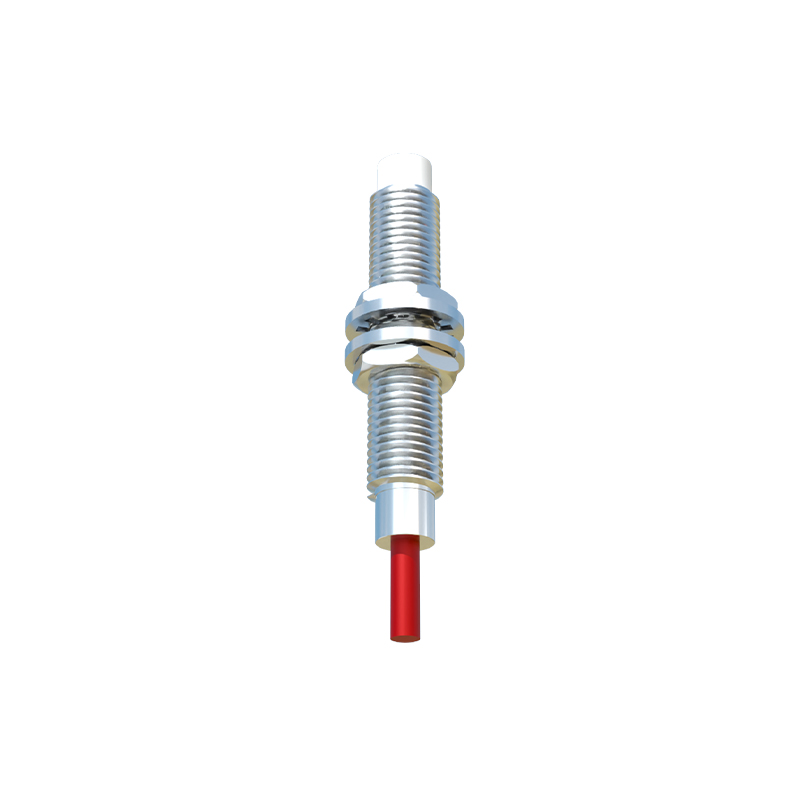
Overall, infrared proximity sensors offer a versatile and efficient solution for non-contact detection needs. By understanding their working principles, types, and application considerations, engineers can leverage these sensors to optimize performance in various projects, from simple switches to complex automated systems.