In the realm of industrial automation and machine safety, proximity sensors are indispensable components. Among the various types available, diffuse reflective proximity sensors hold a unique and critical position. Unlike through-beam or retro-reflective sensors that require separate emitter and receiver units or a dedicated reflector, diffuse sensors house both the light source (typically an LED) and the photoelectric receiver within a single housing. The fundamental operating principle is elegantly simple: the sensor emits a beam of light, which strikes the target object. A portion of this light is scattered or "diffused" in all directions, and some of this scattered light returns to the sensor's receiver. When the intensity of this returned light exceeds a pre-set threshold, the sensor's output switches state, indicating the presence of the object.
This self-contained design offers significant advantages, primarily in terms of simplified installation. There is no need for precise alignment with a separate receiver or reflector, reducing setup time and complexity. This makes diffuse sensors exceptionally versatile for detecting a wide array of objects at relatively short ranges, typically from a few millimeters up to several hundred millimeters, depending on the model and technology (e.g., standard photoelectric, background suppression, or energy-saving variants). They are commonly employed for tasks such as detecting the presence of boxes on a conveyor belt, counting bottles, verifying the placement of components in an assembly machine, or monitoring fill levels in transparent containers.
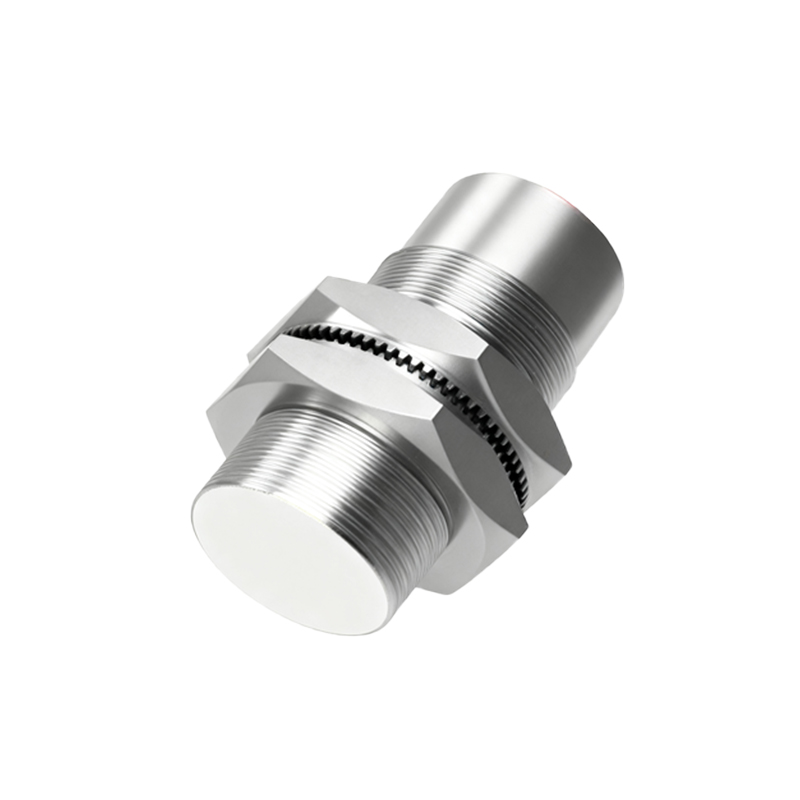
However, the very principle that grants them flexibility also introduces specific considerations. The performance of a diffuse sensor is highly dependent on the color, surface texture, material, and size of the target object. A matte white object reflects light efficiently, resulting in a longer sensing range. Conversely, a shiny black or dark-colored object absorbs most of the incident light, drastically reducing the effective range and potentially causing detection failures. The sensor must be carefully selected and configured for the specific application. Furthermore, environmental factors like dust, steam, or ambient light can interfere with the weak diffused signal, potentially leading to false triggers. Many modern diffuse sensors incorporate features to mitigate these issues, such as modulated LED light to ignore constant ambient light, robust housing with high Ingress Protection (IP) ratings, and adjustable sensitivity potentiometers or teach-in functions for precise threshold setting.
A crucial advancement in this category is the Background Suppression (BGS) or Background Elimination (BKE) sensor. These intelligent devices use triangulation principles to evaluate the angle of the returning light, rather than just its intensity. They can be programmed to detect objects only within a very specific distance window, effectively "ignoring" objects or surfaces beyond that set point. This is invaluable for applications where the target must be distinguished from a similarly colored but more distant background, such as detecting a black rubber gasket on a black conveyor belt.
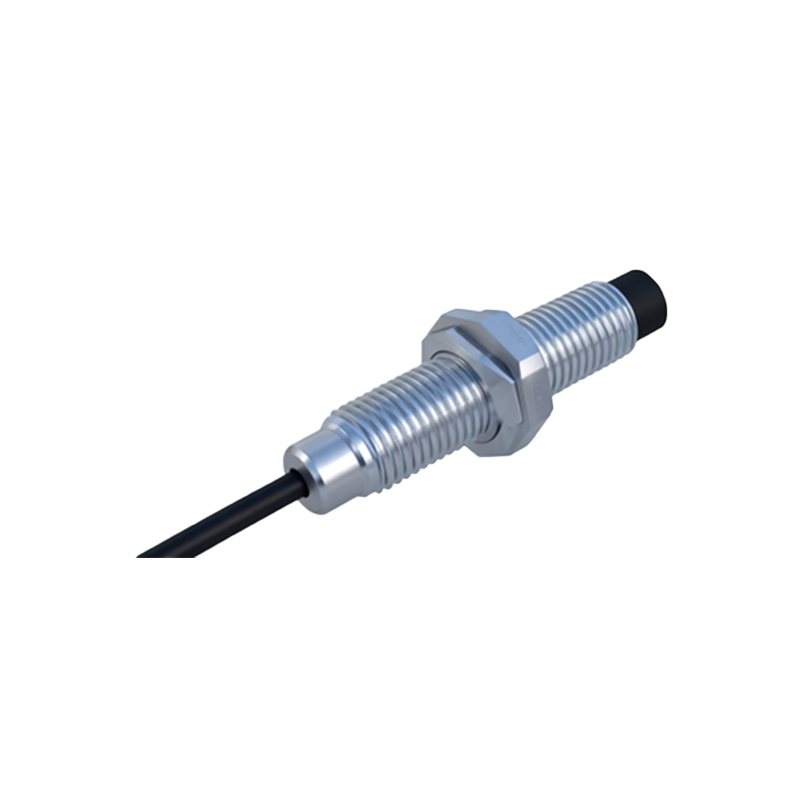
When selecting a diffuse reflective proximity sensor for an application, engineers must evaluate a comprehensive checklist. Key parameters include the required sensing distance (with a substantial safety margin), the size, color, and material of the target, the required response speed and switching frequency, the environmental conditions (temperature, potential for contamination), the electrical requirements (voltage, output type: PNP/NPN, NO/NC), and the physical housing style (cylindrical, rectangular, slot-style). Connector type (pre-wired or quick-disconnect) and mounting constraints are also practical deciding factors.
In conclusion, diffuse reflective proximity sensors are a cornerstone of non-contact object detection. Their single-unit design offers unmatched installation flexibility for short to medium-range applications. A deep understanding of their operating principle—including its inherent dependencies on target properties—is essential for successful deployment. By carefully matching sensor specifications, such as standard or background suppression technology, to the application's demands regarding target, range, and environment, engineers can ensure reliable, maintenance-free operation, thereby enhancing the efficiency and safety of automated systems. Their continued evolution, with features like IO-Link for digital parameterization and diagnostics, ensures they will remain vital components in the smart factories of Industry 4.0.