In the evolving landscape of industrial automation and smart systems, the ability to detect objects without physical contact is fundamental. While traditional inductive proximity sensors excel at detecting metals, a significant technological gap existed for reliably sensing non-metallic materials at a distance. This is where non-metallic long-range proximity sensors come into play, offering versatile and critical solutions across diverse sectors. This article delves into their operating principles, key technologies, application areas, and essential factors for selection.
The core function of a non-metallic long-range proximity sensor is to detect the presence or absence of objects made from materials like plastic, wood, glass, cardboard, liquids, and even biological substances, from a greater distance than standard capacitive sensors allow. The "long-range" capability, often ranging from 15 mm to 120 mm depending on the technology and model, is a defining feature that expands their utility beyond simple close-range presence checking.
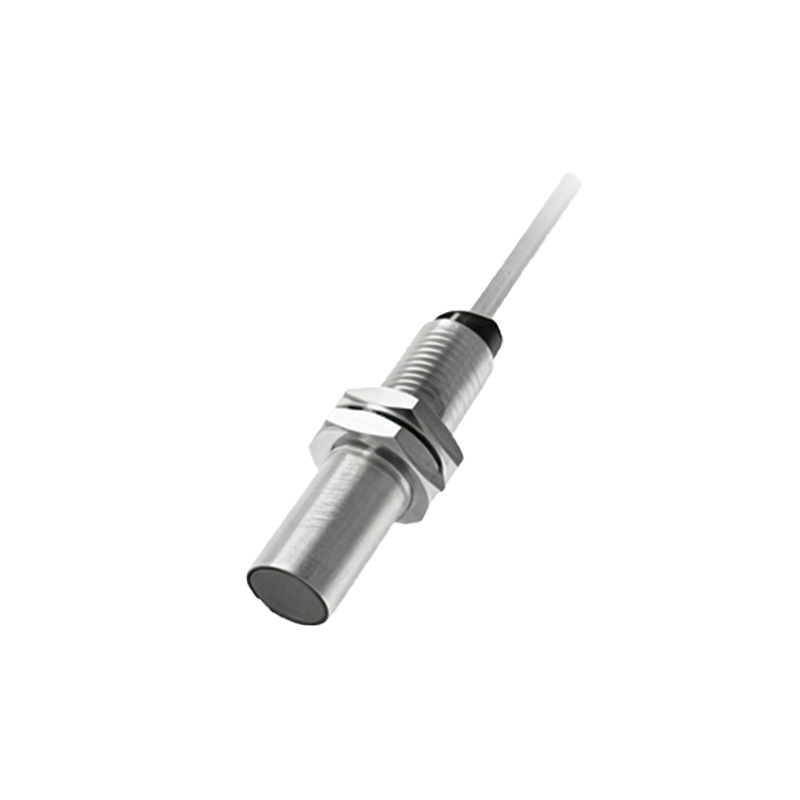
Several sensing technologies enable this capability, with the most prevalent being Capacitive Sensing and Ultrasonic Sensing.
Advanced Capacitive Sensors form the backbone of many non-metallic proximity detectors. They operate by generating an electrostatic field. Any object entering this field alters the sensor's capacitance. Modern long-range capacitive sensors are highly refined, featuring sophisticated electronics that can compensate for environmental factors like humidity and temperature, and can be tuned to ignore certain background materials (like a container wall) to focus on the target. They are excellent for detecting powders, granules, liquids through non-metallic walls, and solid non-metallic objects.
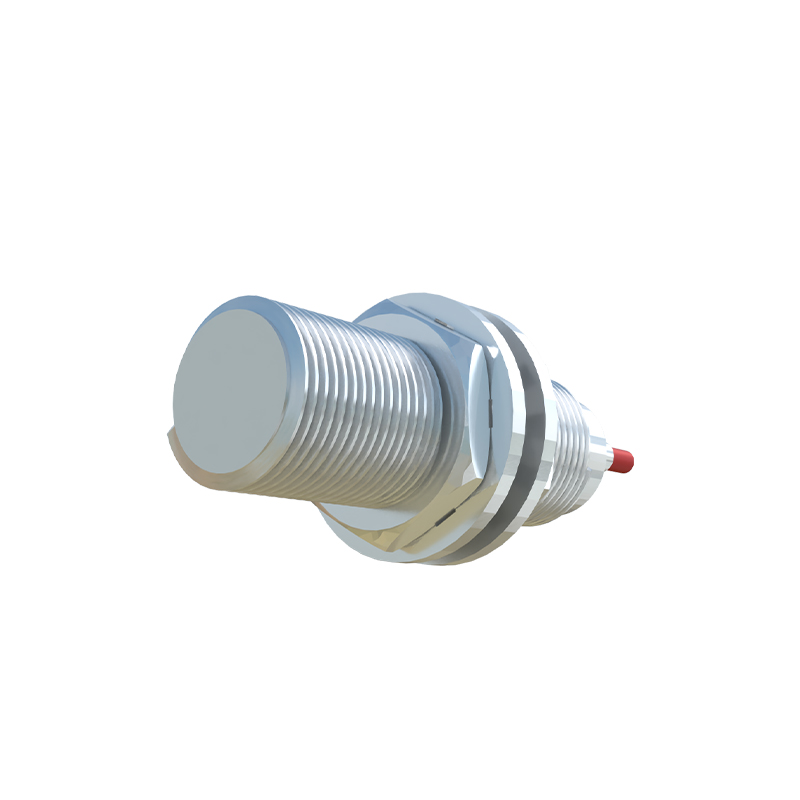
Ultrasonic Sensors are another dominant technology for long-range, material-independent detection. They work on the time-of-flight principle: emitting high-frequency sound pulses and measuring the time taken for the echo to return. The presence of any solid or liquid object (regardless of color, transparency, or material) within the sound path will reflect the pulse. Ultrasonic sensors can offer ranges from a few centimeters up to several meters, making them ideal for level detection in silos, distance measurement, and detecting large or irregularly shaped non-metallic objects.
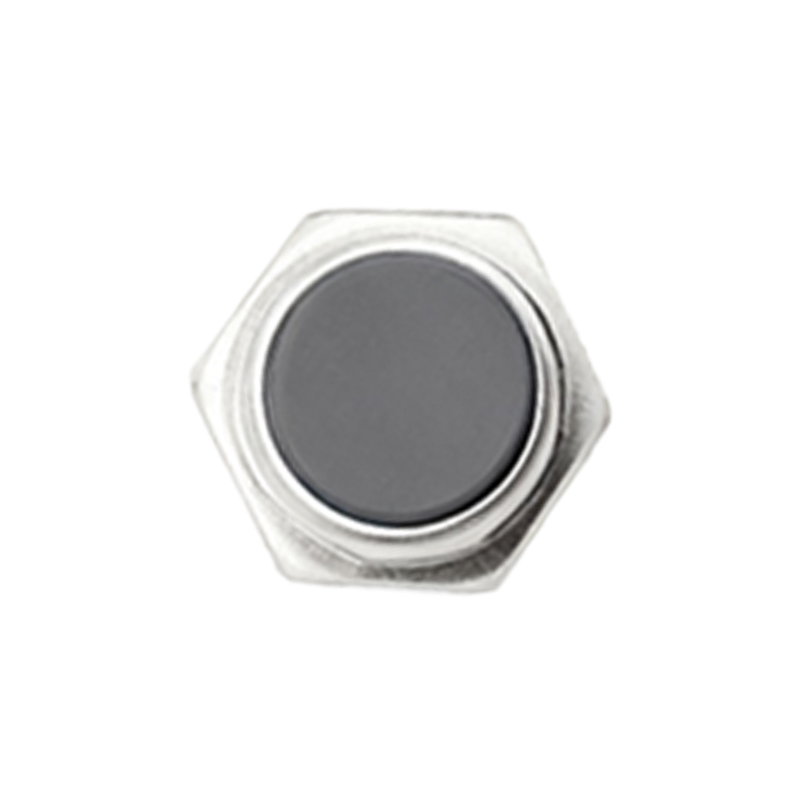
Other technologies include Photoelectric Sensors (diffuse, retro-reflective, or through-beam), which are highly effective for long-range detection but are dependent on the optical properties (reflectivity, color, transparency) of the target material rather than its conductivity. For consistent detection of non-metallics, careful selection of the photoelectric type and sensitivity adjustment is crucial.
The applications for these sensors are vast and transformative:
Packaging & Material Handling: Detecting cardboard boxes, plastic totes, and bottles on conveyors. Monitoring fill levels in plastic hoppers or paper roll diameters.
Food & Beverage: Sensing plastic or glass containers, detecting liquid levels in transparent bottles, and monitoring the presence of food products on processing lines.
Wood & Paper Industry: Detecting logs, wood panels, paper stacks, and monitoring roll diameters on machinery.
Pharmaceutical & Chemical: Precise level sensing of chemicals in non-metallic IBC tanks, detecting plastic vials or blister packs.
Automotive (Non-Metal Assembly): Verifying the presence of plastic components, rubber seals, or composite parts during assembly processes.
Agriculture: Monitoring grain levels in silos or detecting non-metallic parts on farming equipment.
Selecting the right non-metallic long-range proximity sensor requires careful consideration of several parameters:
1. Target Material: The sensor's dielectric constant (for capacitive) or acoustic reflectivity (for ultrasonic) directly affects performance. Test with an actual sample if possible.
2. Required Sensing Distance: Always specify a range with a safety margin (e.g., use 80% of the catalogued nominal range) to account for environmental variances and material differences.
3. Environmental Conditions: Temperature extremes, dust, moisture, airborne particles, and vibration can impact sensor reliability. Choose models with appropriate IP (Ingress Protection) ratings and environmental compensation.
4. Response Time & Switching Frequency: The speed at which the sensor can detect an object and send a signal is critical for high-speed automation lines.
5. Output Type: Decide between digital (PNP/NPN) or analog (4-20 mA, 0-10V) outputs based on the needs of your control system (PLC).
6. Mounting & Form Factor: Consider the physical space constraints and whether a cylindrical, rectangular, or block-style housing is suitable.
In conclusion, non-metallic long-range proximity sensors are indispensable tools that bridge a critical sensing gap in modern industry. By understanding the strengths of capacitive, ultrasonic, and photoelectric technologies, engineers can effectively implement these sensors to enhance automation reliability, improve process control, and enable innovative applications where metal detection is irrelevant