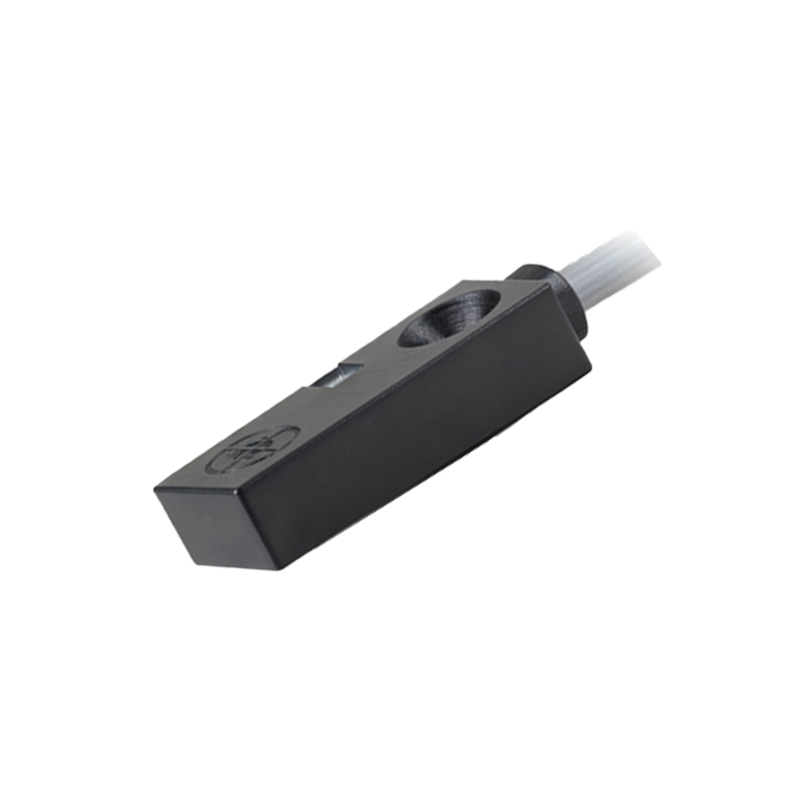
In the realm of industrial automation and electronic systems, proximity sensors play a pivotal role in enabling non-contact detection, enhancing efficiency, and ensuring safety. Among the diverse range of sensors available, the S23 proximity sensor stands out as a robust and versatile solution tailored for demanding environments. This article delves into the technical specifications, operational principles, and practical applications of the S23, providing insights for engineers and industry professionals seeking reliable sensing technology.
The S23 proximity sensor is an inductive-type sensor designed to detect metallic objects without physical contact. It operates on the principle of electromagnetic induction, where an oscillator generates a high-frequency magnetic field around the active sensing face. When a metallic target enters this field, eddy currents are induced in the object, causing a change in the oscillation amplitude. This alteration is detected by the sensor's circuitry, triggering an output signal—typically in the form of a digital switch (NPN or PNP) or analog output, depending on the model variant. The S23 is renowned for its high switching frequency, often exceeding 1 kHz, making it suitable for rapid detection tasks in assembly lines or packaging machinery.
Key features of the S23 sensor include its rugged construction, often rated with IP67 or higher ingress protection, ensuring resistance to dust, moisture, and mechanical shocks. Many models offer adjustable sensing ranges, typically from 2 mm to 15 mm, allowing flexibility in installation and target detection. The sensor's housing is commonly made of stainless steel or nickel-plated brass, providing durability in harsh industrial settings such as manufacturing plants, automotive workshops, or material handling systems. Additionally, the S23 incorporates LED indicators for status monitoring, facilitating easy diagnostics and maintenance. Temperature stability is another critical aspect, with operational ranges usually spanning from -25°C to 70°C, ensuring consistent performance in varied climatic conditions.
From an application perspective, the S23 proximity sensor is widely utilized across multiple industries. In automotive manufacturing, it is employed for position sensing in robotic arms, detecting parts on conveyor belts, or monitoring valve movements. The food and beverage sector leverages its hygienic designs (often with FDA-compliant materials) for bottle cap detection or fill-level control. In logistics and warehousing, the sensor aids in object counting, pallet positioning, and automated guided vehicle (AGV) navigation. Its reliability in detecting ferrous and non-ferrous metals—with some models optimized for specific alloys—makes it a go-to choice for metalworking machinery, such as CNC machines or stamping presses, where precision and repeatability are paramount.
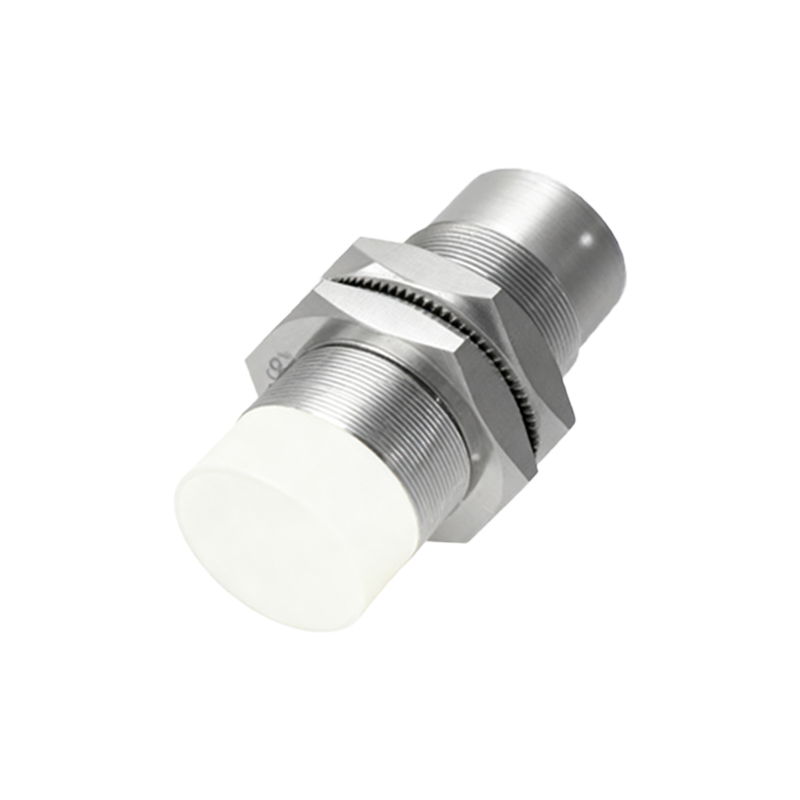
When integrating the S23 sensor, engineers should consider factors like mounting configurations (flush or non-flush), output types (e.g., 3-wire DC, 2-wire AC/DC), and electrical compatibility with control systems like PLCs. Proper shielding and cable management are essential to mitigate electromagnetic interference, especially in high-noise environments. Regular calibration and adherence to manufacturer guidelines can extend the sensor's lifespan, often exceeding 100,000 hours of operation. As Industry 4.0 advances, some S23 variants now feature IO-Link connectivity, enabling smart diagnostics, parameter adjustments, and data integration into IoT platforms for predictive maintenance.
In summary, the S23 proximity sensor exemplifies innovation in industrial sensing, combining durability, accuracy, and adaptability. Its ability to operate under strenuous conditions while delivering precise detection makes it an indispensable component in modern automation. For engineers, understanding its capabilities and optimal deployment strategies can lead to enhanced system performance, reduced downtime, and cost savings. As technology evolves, the S23 continues to evolve, integrating digital features that align with smart factory trends, ensuring its relevance in the future of industrial automation.