In the world of industrial automation and precision measurement, non-contact sensing technologies are indispensable. Among the most prevalent and critical are proximity sensors and fiber optic sensors. While both serve the fundamental purpose of detecting objects without physical touch, their operating principles, applications, and strengths differ significantly. Understanding these differences is key to selecting the right sensor for a specific task, ensuring reliability, efficiency, and cost-effectiveness in any automated system.
Proximity sensors are a broad category of devices that detect the presence or absence of an object within a defined range. The most common types are inductive, capacitive, and photoelectric sensors. Inductive proximity sensors are workhorses in metal detection. They generate an electromagnetic field; when a metallic object enters this field, it induces eddy currents, causing a change in the sensor's oscillation amplitude, which triggers a switch signal. These sensors are renowned for their robustness, high switching frequency, and immunity to environmental factors like dust, oil, or moisture. They are ideal for counting metal parts, determining position in machinery, or as end-position detectors in cylinders.
Capacitive proximity sensors, on the other hand, can detect both metallic and non-metallic materials such as plastics, glass, liquids, and granules. They function by generating an electrostatic field. Any object that enters this field alters its capacitance, prompting the sensor to switch. This makes them perfect for applications like liquid level detection in tanks, monitoring presence of paper or wood, or detecting filled levels of packaging materials. However, they can be more susceptible to environmental changes like humidity.
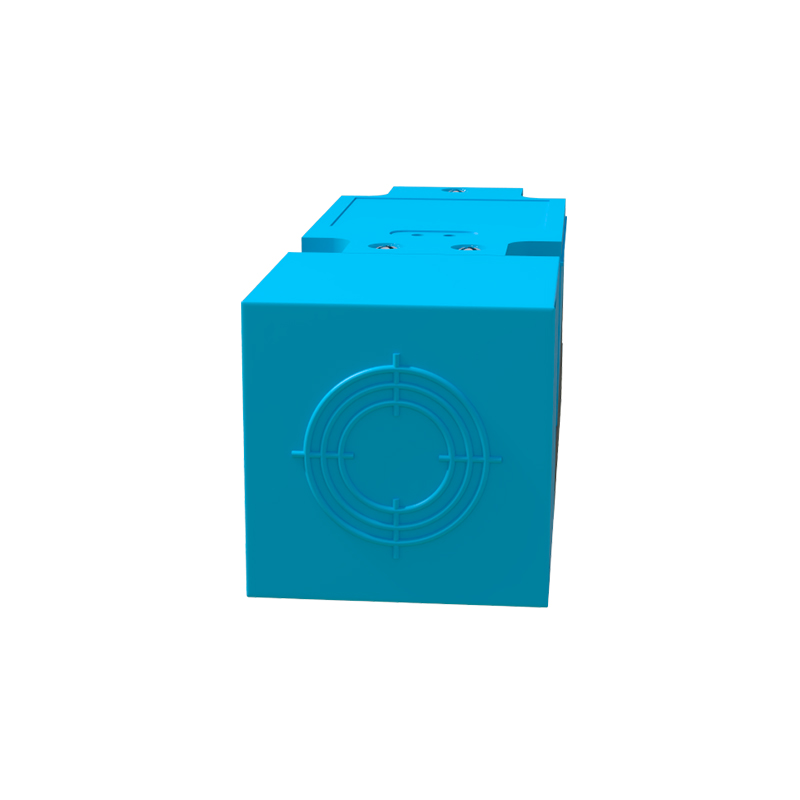
Photoelectric sensors, another subtype, use a light beam (usually infrared, red, or laser) to detect objects. They come in through-beam, retro-reflective, and diffuse reflective modes. While incredibly versatile for a wide range of materials and colors, they are distinct from the self-contained "proximity sensor" units often discussed and share more functional overlap with fiber optic systems in terms of using light.
This leads us to fiber optic sensors. A fiber optic sensor system consists of two main components: an amplifier unit and a fiber optic cable. The amplifier contains the light source (typically an LED or laser) and the photodetector circuitry. The fiber optic cable, made of a glass or plastic core, transmits this light to the sensing point and back. The sensing principle at the tip can be through-beam (where an object breaks a light path between two fibers) or diffuse reflective (where the target reflects light back into the receiver fiber).
The defining advantage of fiber optic sensors lies in their incredible flexibility and ability to operate in extreme environments. The sensing head—the tip of the fiber cable—is extremely small, often just millimeters in diameter. This allows them to fit into incredibly tight spaces where a standard proximity sensor would never fit. More importantly, the fiber cable itself is passive, immune to electrical noise (EMI/RFI), and can withstand environments with high temperatures, intense vibrations, strong chemicals, or explosive atmospheres. The amplifier can be safely mounted in a remote, protected control cabinet. This makes fiber optic sensors the go-to choice for applications inside ovens, on fast-moving robotic arms, in cleanrooms, or for detecting minute objects like microchips or pharmaceutical pills.
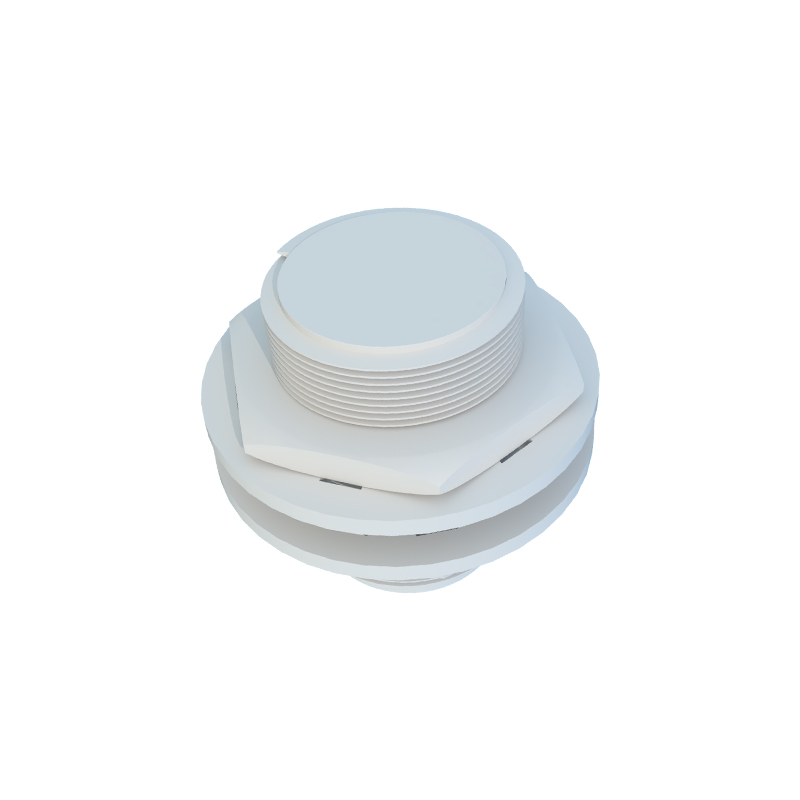
Choosing between a proximity sensor and a fiber optic sensor hinges on several application-specific factors. For robust, high-speed detection of metals in standard industrial environments, an inductive proximity sensor is often the simplest and most economical solution. For detecting non-metals or varying material types, a capacitive sensor or a photoelectric sensor might be suitable. However, when the challenge involves severe space constraints, harsh environmental conditions, extreme temperatures, or a need for exceptional precision on very small objects, fiber optic sensors become the clear winner, despite their typically higher system cost and more complex setup.
In summary, proximity sensors offer a robust, integrated, and cost-effective solution for a vast array of general-purpose detection tasks. Fiber optic sensors provide unparalleled versatility and resilience for specialized, demanding, or miniaturized applications by physically separating the sensitive electronics from the harsh sensing point. By carefully evaluating the target material, required sensing distance, environmental conditions, installation space, and budget, engineers can leverage the unique strengths of each technology to build more reliable, efficient, and intelligent automated systems.