In the realm of industrial automation, spring coiling machines represent a critical application where precision, reliability, and efficiency are paramount. As an experienced electrical engineer specializing in this sector, I have observed that the integration of proximity switch sensors is a game-changer for optimizing machine performance. These non-contact sensors play a pivotal role in detecting the presence or absence of metallic components, ensuring seamless operation and minimizing downtime.
Proximity switch sensors, particularly inductive types, are extensively used in spring coiling machinery due to their ability to detect ferrous metals without physical contact. This non-contact nature eliminates wear and tear, significantly enhancing the longevity of both the sensor and the machine components. In a typical setup, these sensors are strategically positioned to monitor the position of wire feeds, coil formation, and cutting mechanisms. For instance, during the coiling process, a sensor can detect the end of the wire or the completion of a coil, triggering the next action in the sequence. This real-time feedback is crucial for maintaining consistent spring dimensions and quality.
The selection of an appropriate proximity sensor depends on several factors, including the sensing range, environmental conditions, and the specific metal being detected. In spring coiling environments, where oil, dust, and vibrations are common, sensors with high ingress protection (IP) ratings, such as IP67, are recommended. These robust designs ensure reliable operation even in harsh conditions. Additionally, the response time of the sensor must be fast enough to keep up with the high-speed operations of modern spring machines, which can produce hundreds of springs per minute.
From an electrical engineering perspective, the wiring and integration of these sensors into the machine's control system require careful attention. Most proximity switches operate on DC voltages (e.g., 10-30V DC) and provide a digital output signal, typically PNP or NPN configurations, which interface seamlessly with programmable logic controllers (PLCs). Proper shielding and grounding are essential to prevent electromagnetic interference, which could lead to false triggers or signal loss. In my experience, implementing fail-safe circuits and regular diagnostic checks can preempt potential issues, thereby reducing maintenance costs.
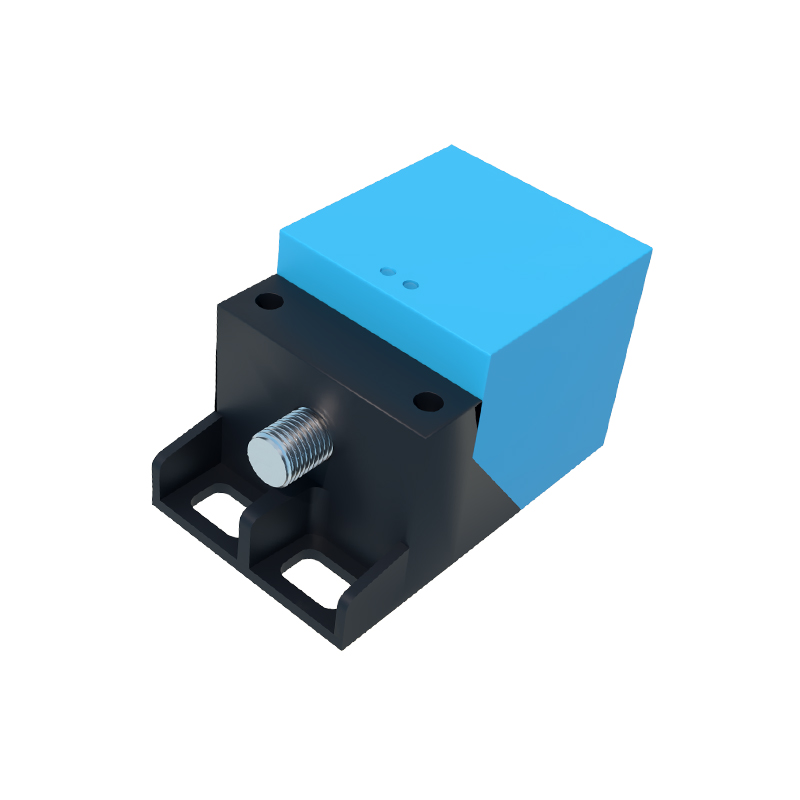
One common challenge in spring coiling applications is the detection of non-ferrous materials, such as stainless steel or brass wires. While inductive sensors are ideal for ferrous metals, capacitive or ultrasonic sensors may be employed for non-ferrous detection. However, for standard steel wires, inductive proximity switches remain the most cost-effective and reliable choice. Engineers must also consider the sensor's mounting orientation and distance to avoid misalignment, which can cause operational errors.
The benefits of using proximity sensors in spring coiling machines are multifaceted. They enhance safety by preventing mechanical collisions and enabling automated shutdowns in case of malfunctions. Moreover, they contribute to energy efficiency by ensuring that machine components operate only when needed, reducing idle power consumption. In terms of productivity, the precise control afforded by these sensors minimizes material waste and improves throughput, directly impacting the bottom line for manufacturers.
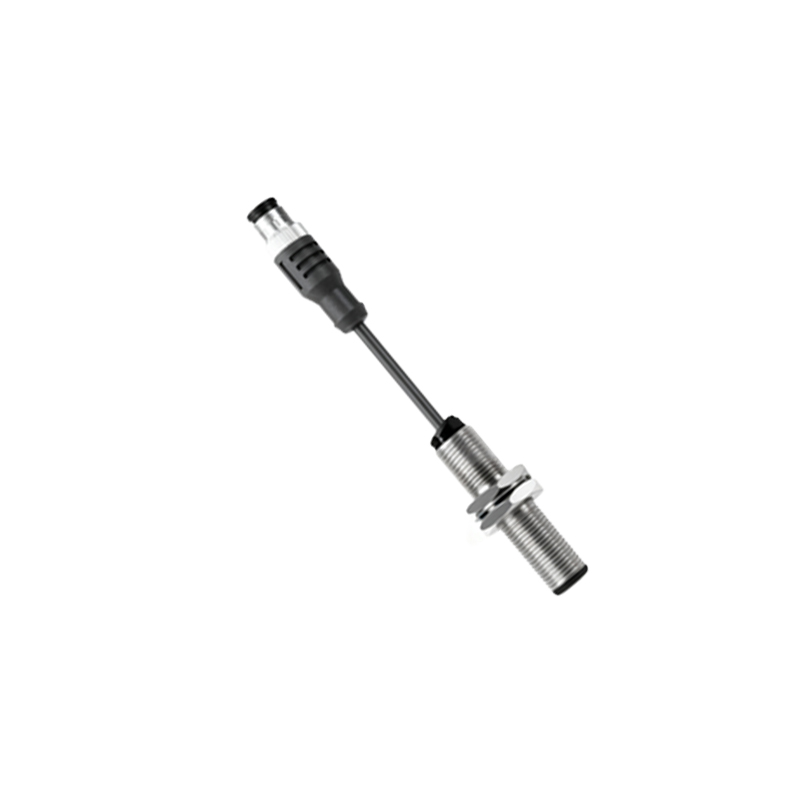
Looking ahead, advancements in sensor technology, such as the integration of IO-Link communication, are set to revolutionize spring coiling machinery. IO-Link-enabled sensors provide detailed diagnostic data, allowing for predictive maintenance and easier parameter adjustments without physical access to the sensor. This aligns with the Industry 4.0 trend towards smart factories, where data-driven insights optimize overall equipment effectiveness (OEE).
In conclusion, proximity switch sensors are indispensable components in modern spring coiling machines. Their ability to deliver accurate, non-contact detection ensures high-quality spring production while reducing maintenance demands. For electrical engineers working in this field, a deep understanding of sensor selection, installation, and integration is key to leveraging their full potential. By staying updated with technological trends and adhering to best practices, we can drive innovation and efficiency in the ever-evolving landscape of industrial automation.