Proximity sensors are indispensable components in modern industrial automation, offering non-contact detection of objects with high reliability and precision. As an experienced electrical engineer specializing in industrial control systems, I will outline key design considerations and advanced solutions for proximity sensors, focusing on inductive, capacitive, and photoelectric types.
The core of any proximity sensor design lies in selecting the appropriate sensing technology based on the application environment. Inductive sensors are ideal for detecting metallic objects, utilizing electromagnetic fields to sense ferrous and non-ferrous metals without physical contact. Their robust construction makes them suitable for harsh industrial settings, such as manufacturing lines or robotic arms. When designing inductive sensors, engineers must consider factors like sensing range, switching frequency, and immunity to electrical noise. Shielding is often incorporated to prevent interference from adjacent metal objects, ensuring accurate detection.
Capacitive sensors, on the other hand, can detect both metallic and non-metallic materials, including liquids, plastics, and glass. They operate by measuring changes in capacitance caused by the presence of an object within their electric field. This versatility makes them valuable in industries like packaging, food processing, and material handling. Design challenges include adjusting sensitivity to avoid false triggers from environmental factors like humidity or temperature fluctuations. Incorporating adjustable sensitivity controls and temperature compensation circuits can enhance performance in variable conditions.
Photoelectric sensors use light beams to detect objects, offering long sensing ranges and high-speed operation. They are classified into through-beam, retro-reflective, and diffuse-reflective types, each suited for specific scenarios. For instance, through-beam sensors provide reliable detection in dusty environments, while diffuse-reflective sensors are compact for space-constrained installations. Key design aspects include selecting the right light source (e.g., infrared, laser, or visible LED), optimizing lens alignment, and implementing filtering algorithms to reject ambient light interference. Advanced models integrate background suppression technology to ignore distant objects, improving accuracy in complex setups.
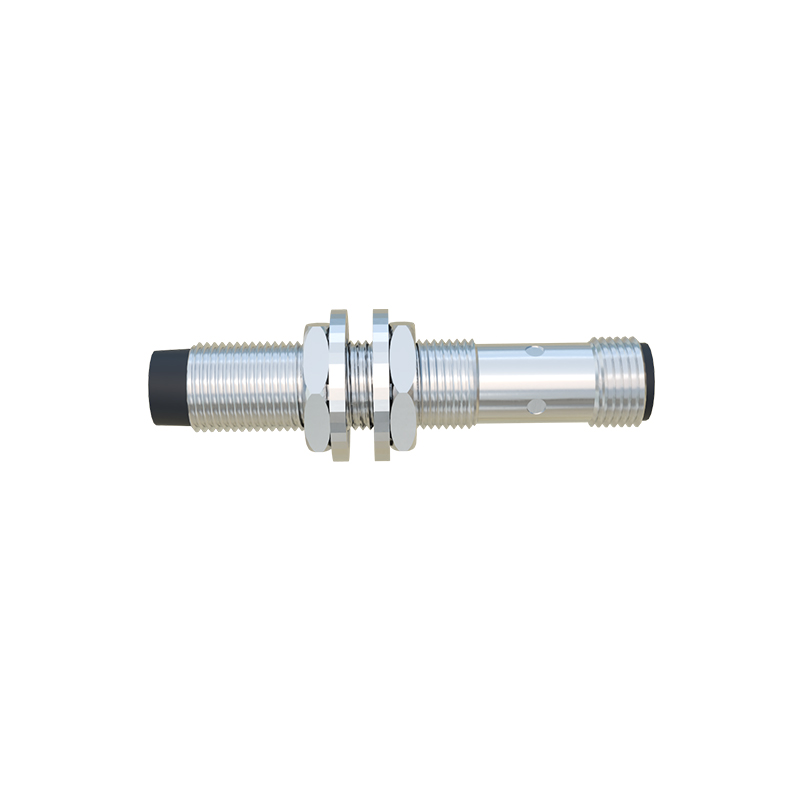
In addition to sensor type, circuit design plays a critical role in overall performance. Modern proximity sensors often incorporate microcontrollers for signal processing, enabling features like programmability, diagnostics, and communication protocols (e.g., IO-Link, Ethernet/IP). Power supply considerations are also vital; designs must ensure low power consumption for energy efficiency while maintaining stable operation under voltage fluctuations. EMI/RFI shielding and surge protection circuits are essential to prevent damage from industrial electrical noise, extending sensor lifespan.
Environmental durability is another crucial factor. Industrial sensors face exposure to moisture, chemicals, vibration, and extreme temperatures. Enclosures rated for IP67 or higher provide protection against dust and water ingress, while materials like stainless steel or rugged plastics resist corrosion. For high-temperature applications, such as foundries or welding areas, sensors with extended temperature ranges (e.g., -25°C to 70°C) are necessary.
Finally, integration with control systems requires attention to output configurations (e.g., NPN, PNP, analog, or digital) and mounting options. Modular designs allow for easy replacement and maintenance, reducing downtime in production facilities. By leveraging simulation tools and prototyping, engineers can validate designs before deployment, ensuring reliability and cost-effectiveness.
In summary, a successful proximity sensor design balances technology selection, circuit robustness, environmental resilience, and seamless integration. As industries evolve toward smart manufacturing and IoT connectivity, sensors with embedded intelligence and networking capabilities will drive future innovations, enhancing automation efficiency and safety.