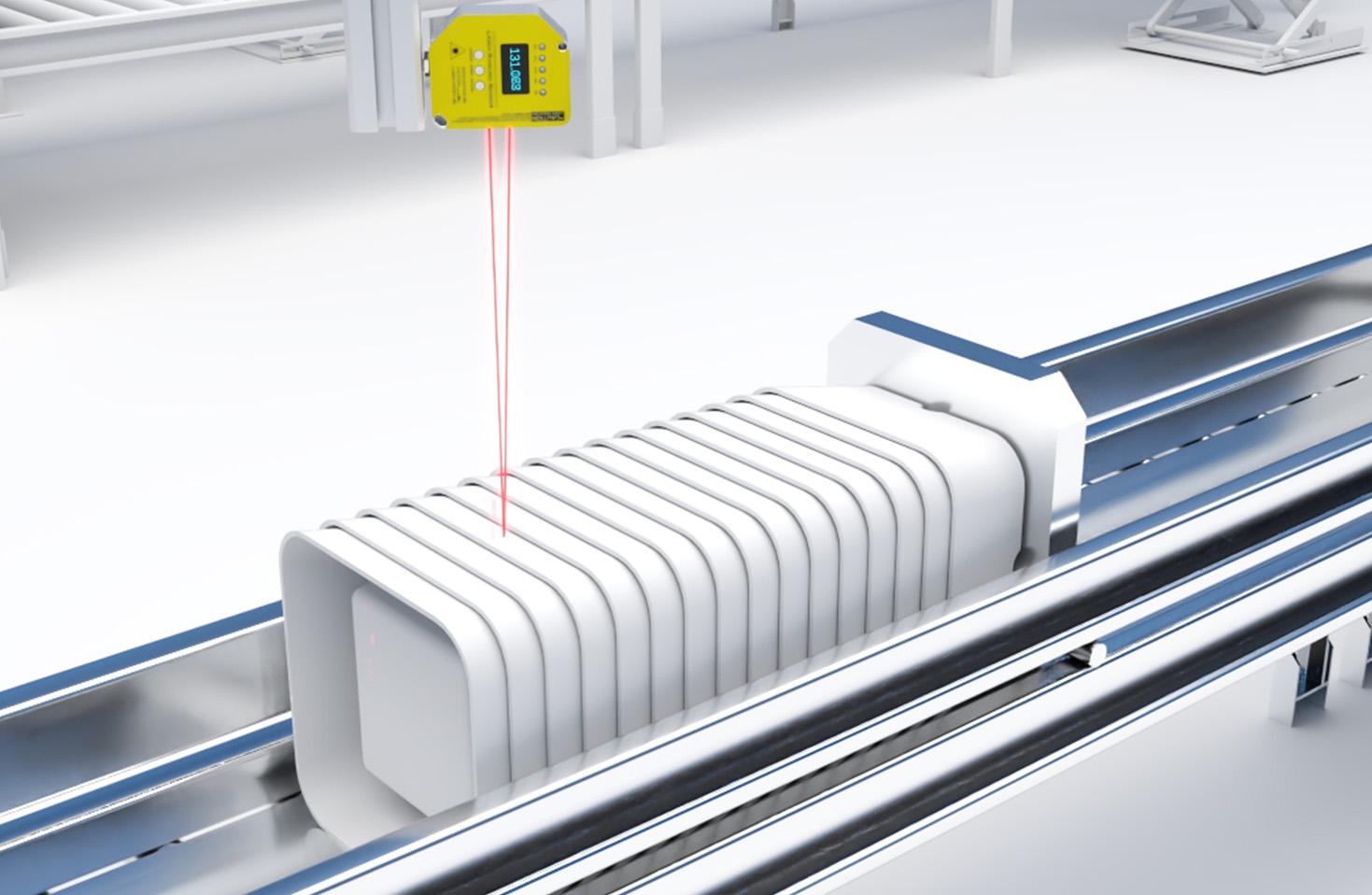
Laser sensors have become indispensable tools across various industrial sectors due to their precision, reliability, and versatility. These devices operate by emitting a focused beam of light—typically from a laser diode—and measuring the reflection to determine distance, position, or presence of objects. Understanding how to effectively use laser sensors can significantly enhance automation, quality control, and safety in manufacturing, robotics, and logistics environments.
The first step in utilizing laser sensors is selecting the appropriate type for your application. Common variants include diffuse reflective sensors, which detect objects based on light scattered back from the surface; retro-reflective sensors, which use a reflector to bounce light back to the receiver; and through-beam sensors, where the emitter and receiver are separate units for high-accuracy detection. Consider factors such as sensing range, response time, environmental conditions (e.g., dust, humidity), and target material properties. For instance, in high-speed packaging lines, through-beam sensors are ideal for counting products, while diffuse sensors may suit robotic positioning tasks.
Installation and alignment are critical for optimal performance. Ensure the sensor is mounted securely to minimize vibrations, which can cause measurement errors. Align the laser beam perpendicular to the target surface for accurate distance readings, and avoid placing sensors near strong ambient light sources or reflective backgrounds that could interfere with the signal. Many modern laser sensors feature built-in alignment aids, such as LED indicators or digital displays, to simplify setup. Calibration should follow manufacturer guidelines, often involving setting reference points or adjusting sensitivity thresholds. For example, in automotive assembly, sensors used for weld inspection require precise calibration to detect minute deviations.
Integration with control systems is another key aspect. Laser sensors typically output analog signals (e.g., 4-20 mA or 0-10 V) or digital signals (e.g., switching outputs or serial communication like IO-Link) to interface with PLCs (Programmable Logic Controllers), HMIs (Human-Machine Interfaces), or data acquisition systems. Programming the sensor parameters—such as switching delays, teach-in functions for adaptive thresholds, or filtering options—can tailor responses to specific tasks. In warehouse automation, sensors linked to conveyor systems can trigger sorting mechanisms based on object height or color, improving efficiency.
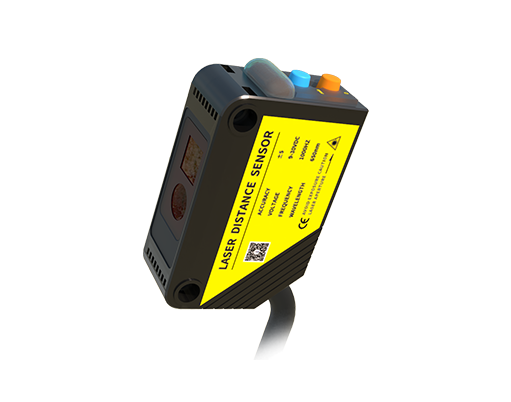
Maintenance and troubleshooting ensure long-term reliability. Regularly clean the lens to prevent dust accumulation, which may attenuate the laser beam. Monitor performance through diagnostic features like signal strength indicators or error codes. Common issues include false triggers from environmental interference or drift in measurements due to temperature changes; addressing these often involves adjusting mounting positions or using protective housings. For harsh environments, such as metalworking shops, selecting sensors with IP67 or higher ratings can resist contaminants.
In summary, effective use of laser sensors hinges on proper selection, installation, calibration, integration, and maintenance. By leveraging their high accuracy and fast response, industries can achieve enhanced automation, reduce errors, and boost productivity. As technology advances, features like AI-based analysis and IoT connectivity are further expanding their applications, making laser sensors a cornerstone of modern industrial innovation.