Proximity sensors, commonly referred to as proximity switches, are integral components in modern industrial automation and control systems. These non-contact sensors detect the presence or absence of an object within a specified range without any physical contact, making them highly reliable and durable in demanding environments. Essentially, a proximity switch is a type of sensor that converts information about the position or presence of an object into an electrical signal, which can then be used to trigger actions in machinery, such as stopping a conveyor belt, counting items, or ensuring safety in robotic operations.
There are several types of proximity sensors, each based on different sensing principles to suit various applications. The most common types include inductive, capacitive, ultrasonic, and photoelectric sensors. Inductive proximity sensors are widely used in industrial settings to detect metallic objects. They operate by generating an electromagnetic field; when a metal object enters this field, it induces eddy currents that alter the sensor's oscillation, triggering a switch output. These sensors are ideal for harsh environments with dust, oil, or moisture, as they are typically housed in robust, sealed enclosures. Capacitive proximity sensors, on the other hand, can detect both metallic and non-metallic materials, such as plastics, liquids, or granular substances. They work by measuring changes in capacitance caused by the presence of an object, making them versatile for applications like level sensing or material handling. Ultrasonic sensors use sound waves to detect objects, offering long-range detection capabilities and effectiveness in challenging conditions like fog or varying light. Photoelectric sensors rely on light beams, often infrared, to sense objects, providing high precision for tasks like positioning or sorting.
The advantages of proximity switches are numerous, contributing to their widespread adoption across industries like manufacturing, automotive, packaging, and aerospace. One key benefit is their non-contact nature, which eliminates mechanical wear and tear, leading to longer service life and reduced maintenance costs. They also offer high switching speeds, enabling fast response times in high-speed production lines. Additionally, proximity sensors are known for their accuracy and repeatability, ensuring consistent performance in precision-critical applications. For instance, in automotive assembly lines, inductive sensors might detect the position of metal components to verify correct installation, while capacitive sensors could monitor fluid levels in tanks. Their ability to operate in extreme temperatures, corrosive environments, or under vibration further enhances their utility in industrial automation.
When selecting a proximity sensor for a specific application, engineers must consider factors such as sensing range, material composition of the target object, environmental conditions, and output requirements. Sensing range varies by type; for example, inductive sensors typically have shorter ranges (a few millimeters to tens of millimeters), while ultrasonic sensors can detect objects several meters away. The choice of output—whether digital (e.g., NPN or PNP) or analog—depends on the control system's needs. Installation and alignment are also crucial to ensure optimal performance, as misplacement can lead to false triggers or missed detections.
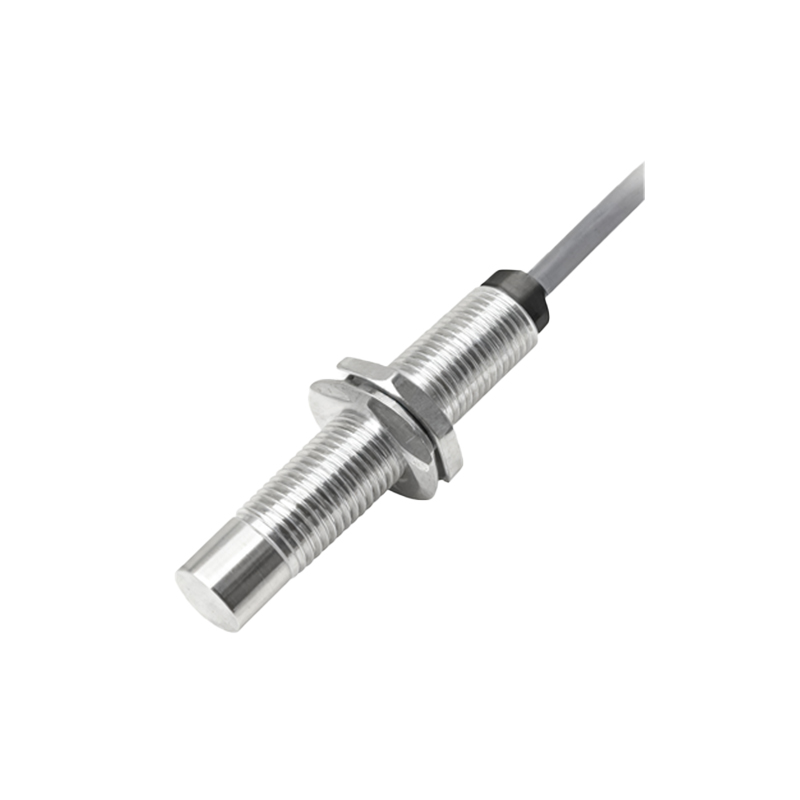
In practice, proximity switches play a vital role in enhancing efficiency, safety, and productivity. They are used in limit switching to prevent overtravel of machinery, in object counting for inventory management, and in safety interlocks to protect operators from hazardous movements. With advancements in technology, modern proximity sensors now feature smart capabilities, such as IO-Link communication, allowing for real-time diagnostics and integration with Industry 4.0 systems. This enables predictive maintenance and data-driven optimization, further solidifying their importance in the evolving landscape of industrial automation.
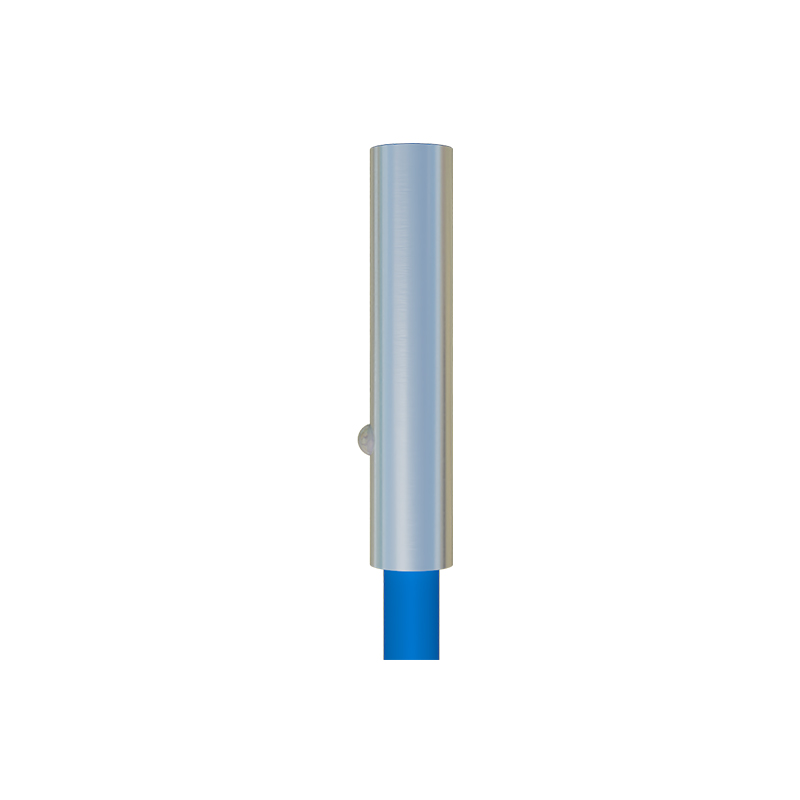
Overall, proximity sensors are indispensable tools in electrical and control engineering, offering reliable, non-contact detection that drives automation forward. By understanding their principles, types, and applications, professionals can leverage these sensors to design more efficient and resilient systems, contributing to smarter and safer industrial operations worldwide.