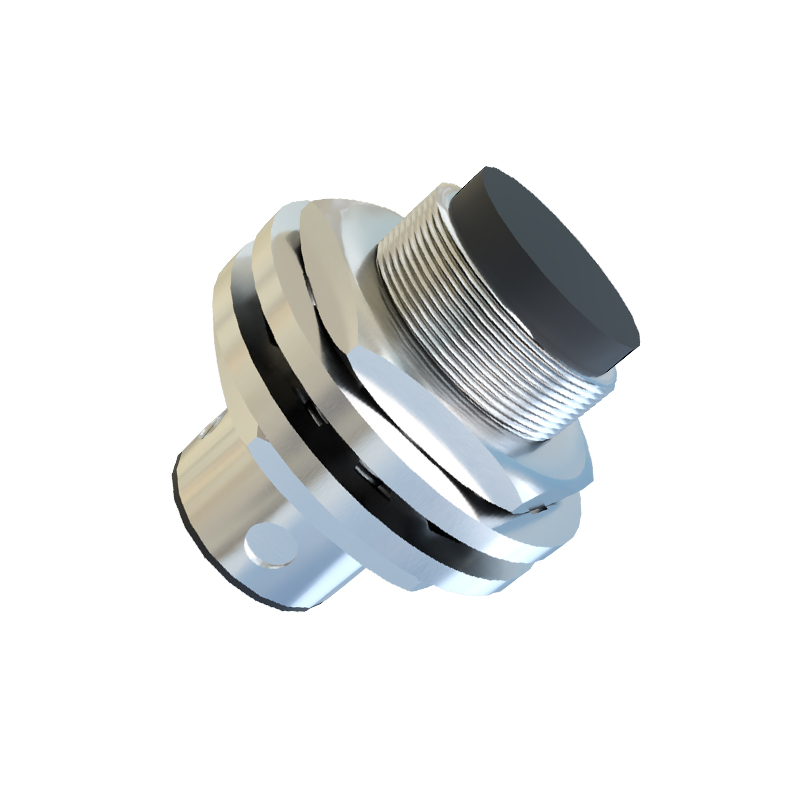
Photoelectric proximity position sensors represent a cornerstone technology in modern industrial automation, offering non-contact detection of objects with high precision, speed, and reliability. Unlike mechanical limit switches or inductive/capacitive proximity sensors, photoelectric sensors utilize light beams to detect the presence, absence, or position of an object. Their operation is fundamentally based on the modulation, transmission, and reception of light, making them exceptionally versatile for diverse applications ranging from packaging and material handling to assembly line verification and robotic guidance.
The core principle involves three key components: an emitter (light source), a receiver (photodetector), and associated control circuitry. The emitter, typically a Light Emitting Diode (LED) producing visible red, infrared, or laser light, generates a modulated light beam. This modulation—rapidly turning the light on and off at a specific frequency—is critical. It allows the sensor's receiver to distinguish the emitted signal from ambient light (like factory lighting or sunlight), thereby ensuring stable operation and high noise immunity. The receiver, usually a phototransistor or photodiode, is tuned to respond specifically to the emitter's modulation frequency.
Photoelectric proximity sensors are categorized primarily by their sensing modes, which define the path of the light beam relative to the emitter and receiver. The most common types for proximity and position sensing are diffuse (reflective), retro-reflective, and through-beam (opposed).
Diffuse (Proximity) Mode: In this configuration, the emitter and receiver are housed in a single unit. The sensor emits a light beam, which must strike the target object and be diffusely reflected back to the receiver within the same housing. Detection occurs when enough of this scattered light returns to the receiver. The effective sensing range is highly dependent on the target's size, color, and surface texture (e.g., a white, matte surface reflects better than a black, shiny one). This mode is ideal for detecting objects at a short to medium range without requiring a separate reflector, simplifying installation.

Retro-reflective Mode: Here, the emitter and receiver are also in one housing, but they rely on a specialized reflector (a corner-cube or tape reflector) placed opposite the sensor. The emitter's beam travels to this reflector and is bounced directly back to the receiver. An object entering the beam path interrupts this return light, triggering detection. This mode offers a longer sensing range than diffuse mode and is less sensitive to object surface properties, as it detects the absence of the reflected beam. A key feature is the polarization filter, often used to prevent the sensor from mistakenly detecting shiny objects as the reflector. The filter ensures only light that has undergone a specific polarization shift (from passing through the reflector) is recognized.
Through-Beam (Opposed) Mode: This is the most robust and longest-range configuration. The emitter and receiver are separate units installed opposite each other. The emitter sends a continuous or modulated beam directly to the receiver. Detection is triggered when an object physically breaks this beam. This mode is extremely reliable and immune to object color, reflectivity, or surface angle, as it simply detects the presence or absence of light. It is the preferred choice for precise position detection, counting, and safety curtains.
Beyond the basic modes, advanced sensing principles enhance functionality. Background Suppression (BGS) or Fixed Field Sensing is a sophisticated diffuse technique. Using triangulation optics or a position-sensitive detector (PSD), the sensor can precisely define a sensing window. It only triggers for objects within a specific distance, effectively ignoring objects or surfaces beyond that set point, even if they are more reflective. This is invaluable for detecting objects on a conveyor belt while ignoring the belt itself or a more distant background.
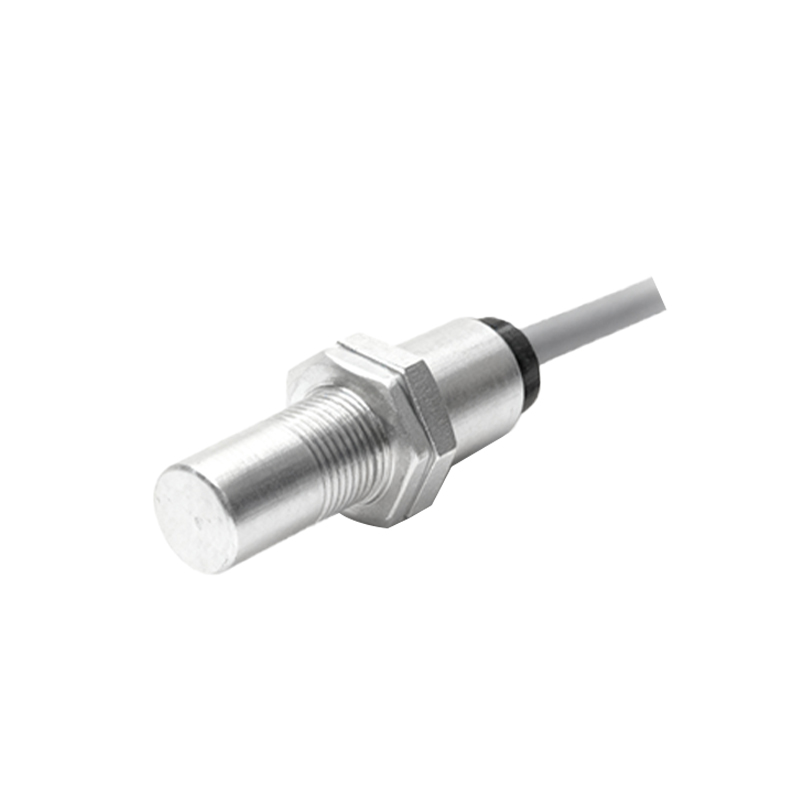
Convergent Beam Sensing is a subset of BGS where the emitted beam is sharply focused at a specific point. The receiver is aligned to receive light only from this focal point, creating a very precise and small detection zone ideal for detecting small parts or edges with high positional accuracy.
The control circuitry converts the receiver's photocurrent into a clear digital or analog output signal. A Schmitt trigger circuit provides hysteresis, preventing output chatter when an object is at the detection boundary. Modern sensors offer programmable functions, such as timers, logic operations (AND/OR), and teach-in capabilities for setting sensitivity or range thresholds.
Key advantages driving their adoption include non-contact operation (eliminating wear and tear), fast response times (often in microseconds), long operational life, and the ability to detect a vast array of materials—metals, plastics, glass, liquids, and even transparent films. However, environmental factors like dust, fog, steam, or heavy contamination can attenuate the light beam, requiring careful selection of sensor type, housing (IP rating), and light wavelength. Infrared light, for instance, penetrates contaminants better than visible red light.