In the rapidly evolving landscape of industrial automation and smart logistics, proximity sensors have become indispensable components within supply and distribution networks. These non-contact detection devices play a critical role in streamlining operations, enhancing safety, and ensuring the seamless flow of goods from manufacturers to end-users. Unlike traditional mechanical switches, proximity sensors detect the presence or absence of an object without physical contact, relying on electromagnetic fields, light, or sound. This fundamental characteristic eliminates wear and tear, significantly reduces maintenance costs, and enables high-speed, reliable operation in demanding environments.
The core principle behind a proximity sensor involves generating a field or beam and monitoring changes within it. When a target object enters this detection zone, it causes a disturbance—such as a change in capacitance, inductance, or the reflection of light—which the sensor converts into an electrical signal. This signal then triggers a predefined action within a control system, such as counting items on a conveyor belt, verifying the position of a robotic arm, or initiating a sorting process. Common types include inductive sensors for detecting metallic objects, capacitive sensors for both metallic and non-metallic materials like plastics or liquids, and photoelectric sensors using light beams for longer-range detection.
Within the supply chain, the applications are vast and transformative. In warehouse automation, inductive proximity sensors are deployed to monitor inventory levels on high-bay racks, ensuring real-time stock data and preventing shortages. Photoelectric sensors form the backbone of conveyor belt systems, precisely tracking package movement, triggering diverters for sorting, and verifying that cartons are correctly sealed and labeled. At distribution centers, capacitive sensors can detect the presence of liquid or granular materials in containers and silos, providing crucial data for inventory management and preventing overflows or run-outs.
The integration of these sensors into broader Industrial Internet of Things (IIoT) ecosystems marks a significant leap forward. Modern proximity sensors are increasingly equipped with digital interfaces like IO-Link, which facilitates two-way communication. This allows not only for the transmission of simple on/off signals but also for the exchange of detailed parametric data, such as sensor health status, temperature readings, or detection distance adjustments. This data can be aggregated and analyzed by central management platforms, enabling predictive maintenance. For instance, a system can alert technicians to a gradual decrease in a sensor's performance before a complete failure occurs, thereby minimizing unplanned downtime—a critical factor in high-throughput supply and distribution environments.

Safety is another paramount concern addressed by proximity sensors. In automated guided vehicle (AGV) systems used for material transport within large facilities, ultrasonic and laser-based proximity sensors create safety zones around the vehicles, detecting obstacles and personnel to prevent collisions. Similarly, on loading docks and near heavy machinery, safety light curtains—essentially arrays of photoelectric sensors—create invisible barriers that immediately halt equipment if breached, protecting workers from harm.
The selection of the appropriate proximity sensor for a specific task in the supply chain depends on several factors. The material of the target object (metal, plastic, cardboard, liquid) is the primary determinant. Environmental conditions such as temperature extremes, exposure to dust, moisture, or chemical washdowns necessitate sensors with specific ingress protection (IP) ratings. The required sensing distance and the required response speed are also crucial considerations. For example, detecting small electronic components on a fast-moving assembly line requires a sensor with a high switching frequency and precise sensing range.
Looking ahead, the convergence of proximity sensing with advanced technologies like artificial intelligence and edge computing promises even greater efficiencies. Smart sensors with embedded processing capabilities can make preliminary decisions at the network's edge, reducing latency and bandwidth usage. In complex picking and packing operations, vision systems combined with proximity data can enable robots to handle items of varying shapes and sizes with human-like dexterity.
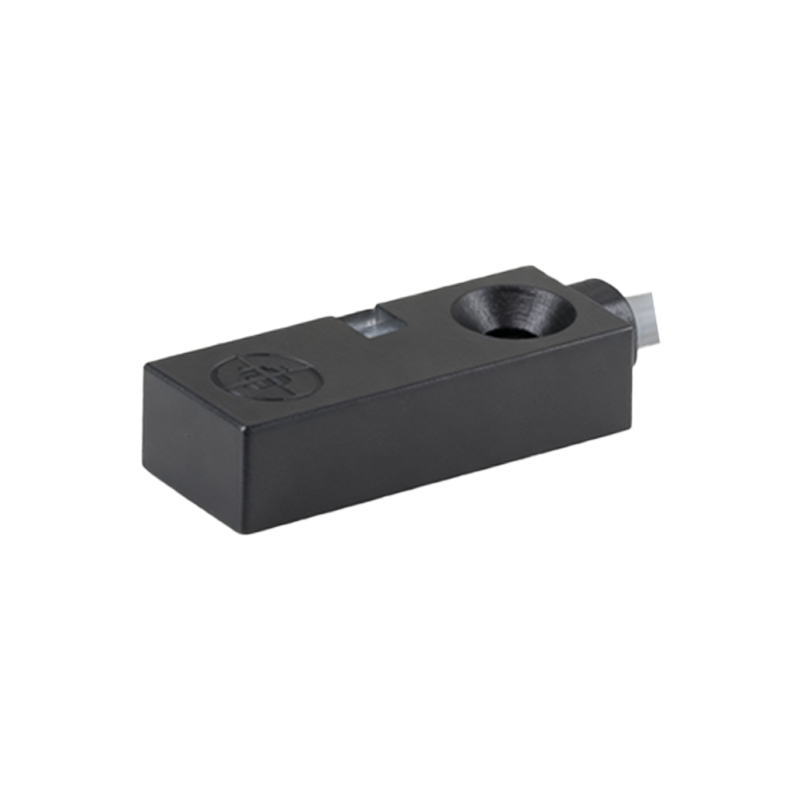
In conclusion, proximity sensors are far more than simple switches; they are the sensory organs of the modern supply and distribution network. By providing reliable, contactless detection, they form the foundational layer upon which automation, data intelligence, and operational safety are built. Their continuous evolution towards smarter, more connected, and more robust designs ensures they will remain vital in driving the efficiency, resilience, and transparency of global supply chains for years to come.