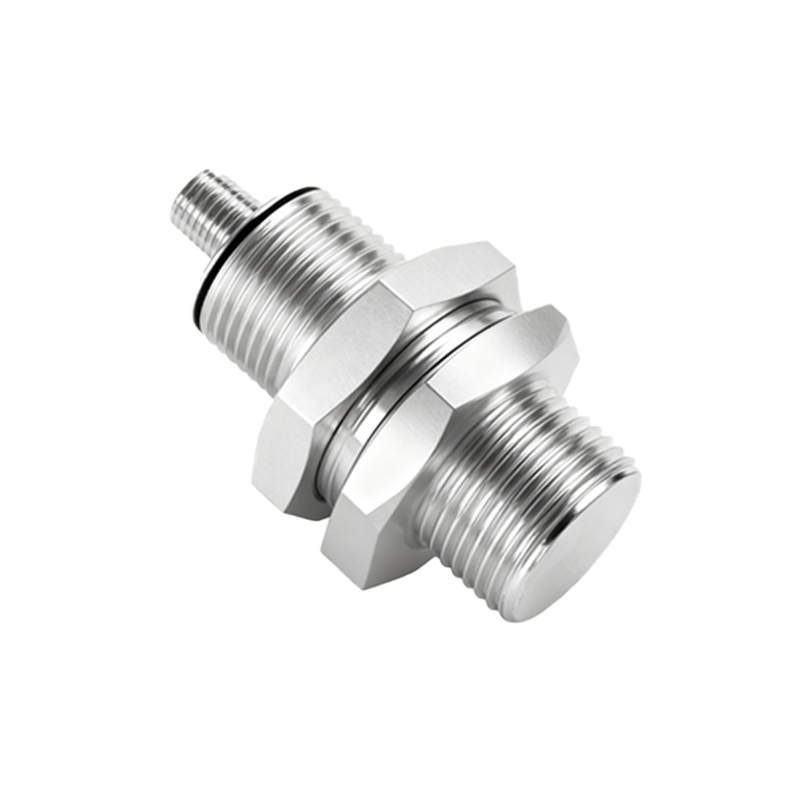
In the rapidly evolving landscape of industrial automation and smart electronics, the synergy between proximity sensors and microcontrollers (MCUs) forms a critical backbone for countless applications. This integration enables machines to perceive their environment and make intelligent, real-time decisions, driving efficiency, safety, and innovation. Proximity sensors, which detect the presence or absence of nearby objects without physical contact, come in various types, including inductive, capacitive, ultrasonic, and optical. Each type operates on distinct principles, making them suitable for specific materials, ranges, and environmental conditions. Inductive sensors, for instance, excel in detecting metallic objects in harsh industrial settings, while capacitive sensors can identify both metallic and non-metallic materials, making them ideal for liquid level detection or touch interfaces.
The role of the microcontroller in this partnership is that of the intelligent processor. It acts as the central nervous system, interpreting the raw electrical signals from the sensor and translating them into actionable data. A typical MCU, such as those from the ARM Cortex-M series, popular AVR (like Arduino), or PIC families, is equipped with Analog-to-Digital Converters (ADCs), digital I/O pins, and timers—all essential for interfacing with sensors. The process begins with the sensor generating a signal upon detecting a target. This signal, often an analog voltage that varies with distance or a simple digital on/off switch, is fed into the MCU.
For analog sensors, the MCU's ADC samples the voltage, converting it into a digital value that the software can process. This digital value can be mapped to a precise distance measurement through calibration, often using lookup tables or mathematical formulas derived from the sensor's datasheet. Digital sensors, which provide a simple high/low output, are easier to interface, typically requiring just a single GPIO pin. The MCU's firmware continuously polls or waits for an interrupt from this pin to trigger immediate actions, such as stopping a motor, counting objects on a conveyor belt, or activating a warning light.
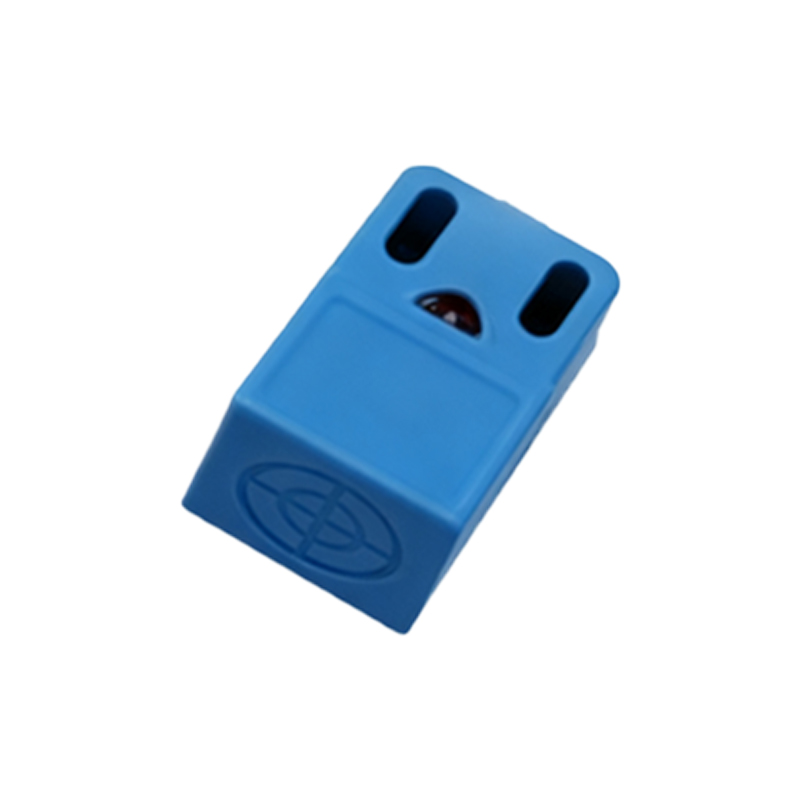
Developing the firmware is where the engineer's expertise truly shines. The code must be efficient, reliable, and responsive. Key considerations include debouncing signals to avoid false triggers from electrical noise, implementing filtering algorithms (like moving averages) to smooth analog readings, and managing power consumption through sleep modes, especially in battery-operated devices. For more complex scenarios, such as measuring speed or direction, multiple sensors can be arrayed and their inputs processed simultaneously by the MCU, requiring careful timing and potentially the use of hardware interrupts or dedicated timer peripherals.
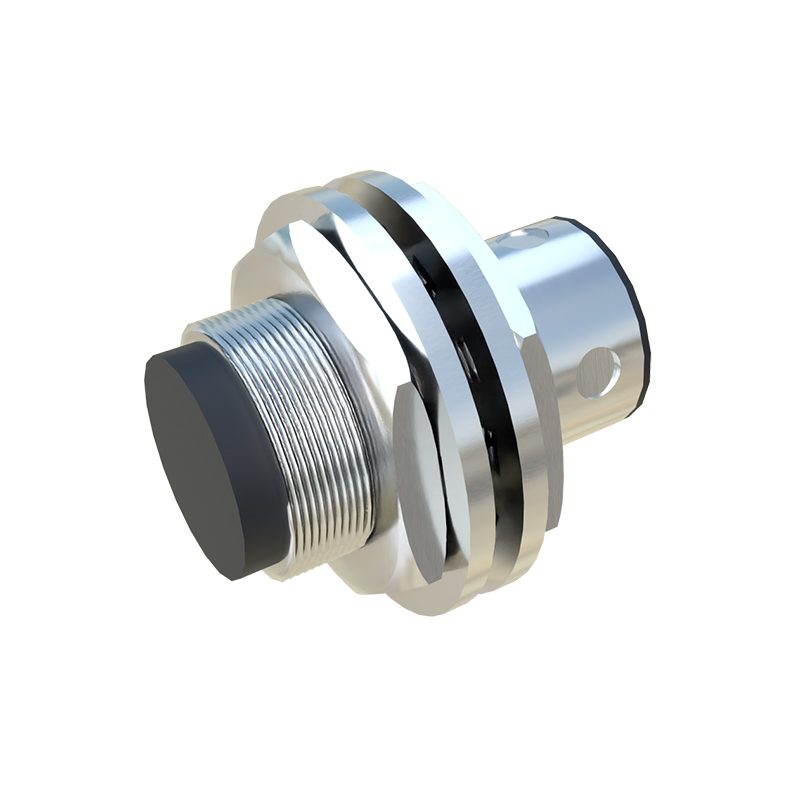
The applications of this sensor-MCU duo are vast and transformative. In automotive systems, they enable parking assist features and collision avoidance. In consumer electronics, they facilitate touchless faucets, smartphone screen auto-brightness, and robotic vacuum navigation. Industrial automation leverages them for precise positioning of robotic arms, part verification on assembly lines, and monitoring machine guard positions for operator safety. The advent of the Internet of Things (IoT) further amplifies their impact; an MCU can now not only process sensor data locally but also transmit it via Wi-Fi, Bluetooth, or LoRa to cloud platforms for analytics and remote monitoring, creating truly intelligent systems.
However, successful integration is not without its challenges. Engineers must carefully select the sensor-MCU pair based on parameters like required detection range, response speed, power budget, and environmental factors (e.g., temperature, humidity, or presence of contaminants). Electromagnetic interference (EMI) can disrupt sensor signals, necessitating proper PCB layout with shielded cables and filtering components. Furthermore, the choice between a simple 8-bit MCU and a more powerful 32-bit processor depends on the computational complexity—basic presence detection is lightweight, while real-time distance profiling or multi-sensor data fusion demands more processing muscle.
Looking ahead, the convergence of advanced sensing technologies with increasingly powerful and low-cost MCUs promises even greater capabilities. Machine learning algorithms are beginning to be deployed on microcontrollers (TinyML) to perform anomaly detection or pattern recognition directly on the sensor node, reducing latency and bandwidth needs. This evolution points towards a future where proximity sensing systems are not just reactive but predictive, further solidifying their indispensable role in the smart, connected world. For any engineer in the field, mastering the art and science of connecting these two fundamental components remains a cornerstone skill for building the next generation of automated solutions.