Proximity sensors are fundamental components in modern industrial automation, robotics, and safety systems. Their primary function is to detect the presence or absence of an object within a specified sensing range without physical contact. For engineers specifying, integrating, or troubleshooting these devices, a deep understanding of their key technical parameters is crucial for optimal system performance, reliability, and cost-effectiveness. This guide details the essential specifications that define a proximity sensor's capabilities and application suitability.
1. Sensing Distance
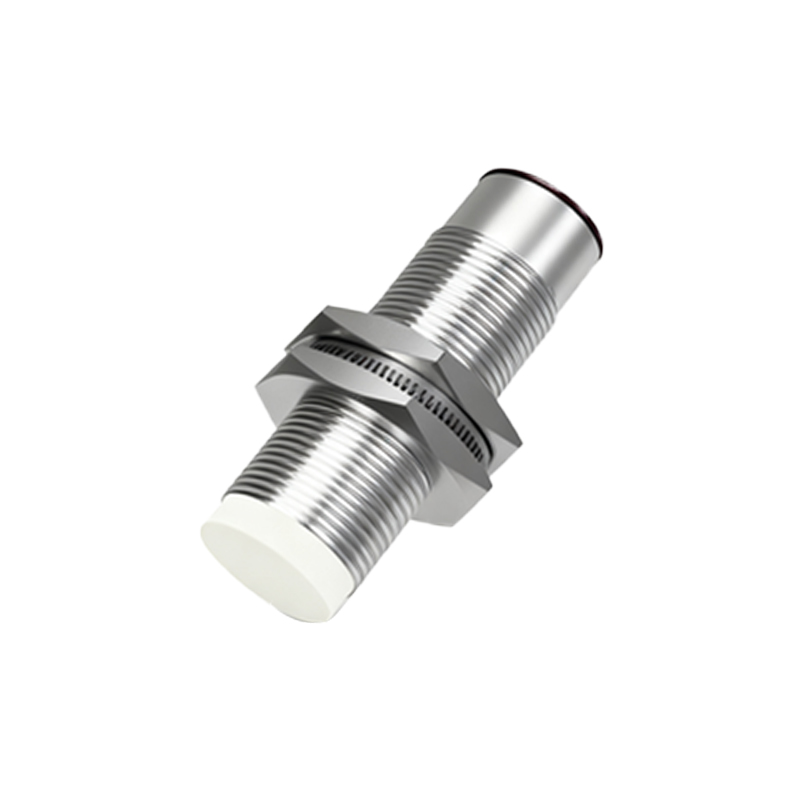
This is arguably the most critical parameter. The rated or nominal sensing distance (Sn) is the theoretical detection range under ideal conditions for a standard target. It is defined by international standards (e.g., IEC 60947-5-2). Engineers must never confuse this with the effective or real-world operating distance. Key related parameters include:
Assured Operating Distance (Sa): The distance within which operation is guaranteed for all sensors under specified conditions, typically 0 to 81% of Sn. This is the safe value for system design.
Hysteresis (H): The difference between the switch-on point (as the target approaches) and the switch-off point (as the target recedes). Hysteresis prevents output oscillation when a target is at the sensing edge and is usually expressed as a percentage of Sn (e.g., 3-10%).
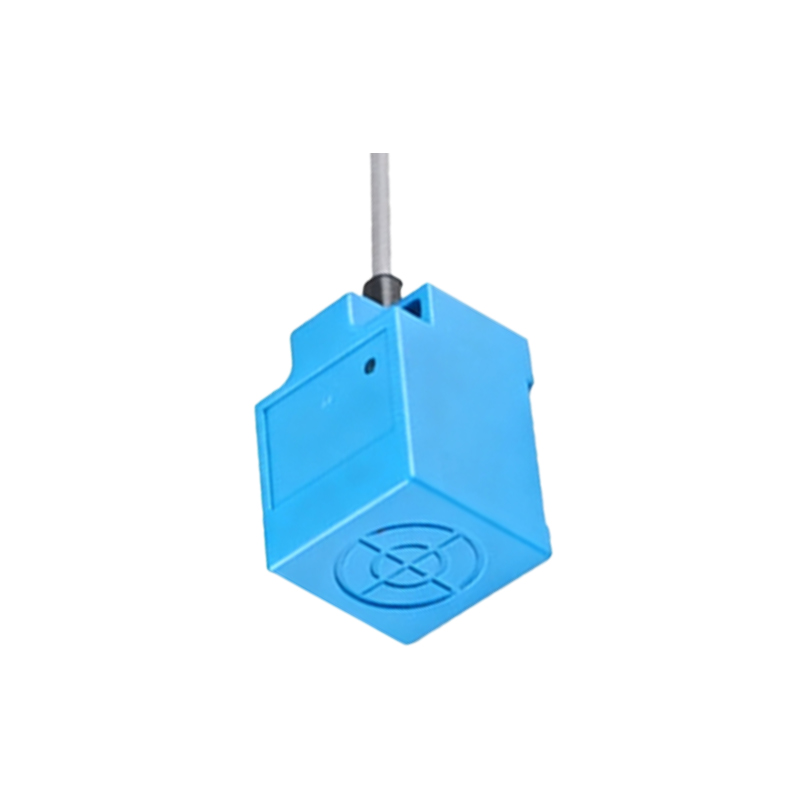
2. Target Characteristics
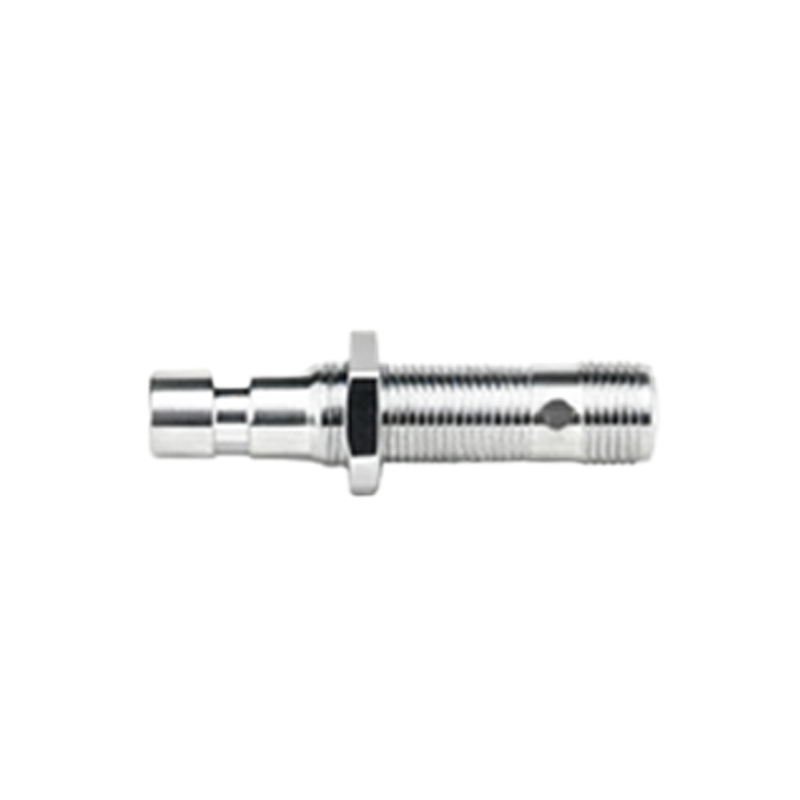
The sensor's performance is directly tied to the target's properties.
Material: Inductive sensors detect ferrous (mild steel) and non-ferrous metals (aluminum, copper, brass) but with different correction factors. For mild steel (Fe360), the factor is 1.0. For stainless steel, it can be 0.6-0.9, and for aluminum, often 0.3-0.5. Capacitive sensors respond to all materials, with different sensitivity settings required.
Size and Shape: The standard target for specification is a square of Fe360 with a side length equal to the sensor's diameter or the sensing distance (whichever is larger), and a thickness of 1mm. Smaller targets reduce the effective sensing distance.
3. Electrical Specifications
Supply Voltage (Ue): The operating voltage range (e.g., 10-30 VDC, 20-250 VAC). Staying within this range is vital for proper function and longevity.
Output Type: Defines the switching element.
PNP (Sourcing): The output switches the positive voltage to the load. Common in Europe and for PLC sinking inputs.
NPN (Sinking): The output switches the ground/negative to the load. Common in Asia and for PLC sourcing inputs.
Analog (Current/Voltage): Provides a continuous signal (e.g., 4-20mA, 0-10V) proportional to the target distance.
IO-Link: A digital point-to-point communication enabling detailed parameterization, diagnostics, and process data exchange.
Output Current (Ie): The maximum continuous current the output switch can handle. Must be derated for inductive loads (relays, solenoids).
Switching Frequency: The maximum number of on/off cycles per second (Hz). Critical for high-speed applications like counting or speed monitoring on rotating shafts.
4. Performance and Environmental Ratings
Repeatability (R): The accuracy with which the sensor can repeatedly detect the same target at the same point under unchanged conditions. A high repeatability (e.g.,<1% of Sn) is essential for precision positioning.
Temperature Range: Specifies the ambient operating and storage temperature limits. Drift in sensing distance can occur at temperature extremes.
Ingress Protection (IP) Rating: Indicates protection against solids and liquids (e.g., IP67: dust-tight and protected against temporary immersion). NEMA ratings are common in North America.
Short-Circuit & Overload Protection: Built-in protection against wiring errors or load faults.
EMC (Electromagnetic Compatibility): Compliance with standards (e.g., IEC 61000-6-2, -6-4) ensures the sensor operates correctly in electrically noisy industrial environments and does not emit excessive interference.
5. Mechanical Specifications
Housing Material: Typically nickel-plated brass, stainless steel (V2A/V4A), or PBT plastic. The choice depends on the environment (corrosive, washdown, mechanical stress).
Form Factor: Cylindrical (e.g., M8, M12, M18, M30 threaded barrels) or rectangular/block styles. The size influences sensing distance and