The landscape of industrial automation is undergoing a transformative shift, driven significantly by advancements in proximity sensor technology. As a seasoned electrical engineer with decades of experience in the field, I have witnessed firsthand the evolution from rudimentary mechanical switches to today's sophisticated, intelligent sensing solutions. The emergence of new proximity sensor factories represents a pivotal moment, not merely in production scalability but in the fundamental reimagining of sensor capabilities, integration, and application across diverse industries.
At the core of this revolution is the adoption of cutting-edge manufacturing philosophies. Modern proximity sensor plants are increasingly automated, utilizing robotic assembly lines and AI-driven quality control systems. This ensures unprecedented consistency and reliability—a non-negotiable requirement in critical applications like automotive manufacturing, pharmaceutical production, and aerospace. The precision achieved in these environments minimizes false triggers and enhances the overall safety and efficiency of automated systems.
Material science plays an equally crucial role. The latest generation of sensors leverages novel composite materials and advanced semiconductor technologies. For instance, the integration of gallium nitride (GaN) in oscillator circuits allows for higher switching frequencies and greater temperature stability. This translates to sensors with longer operational lifespans, reduced power consumption, and enhanced immunity to electromagnetic interference (EMI)—a common challenge in electrically noisy industrial settings.
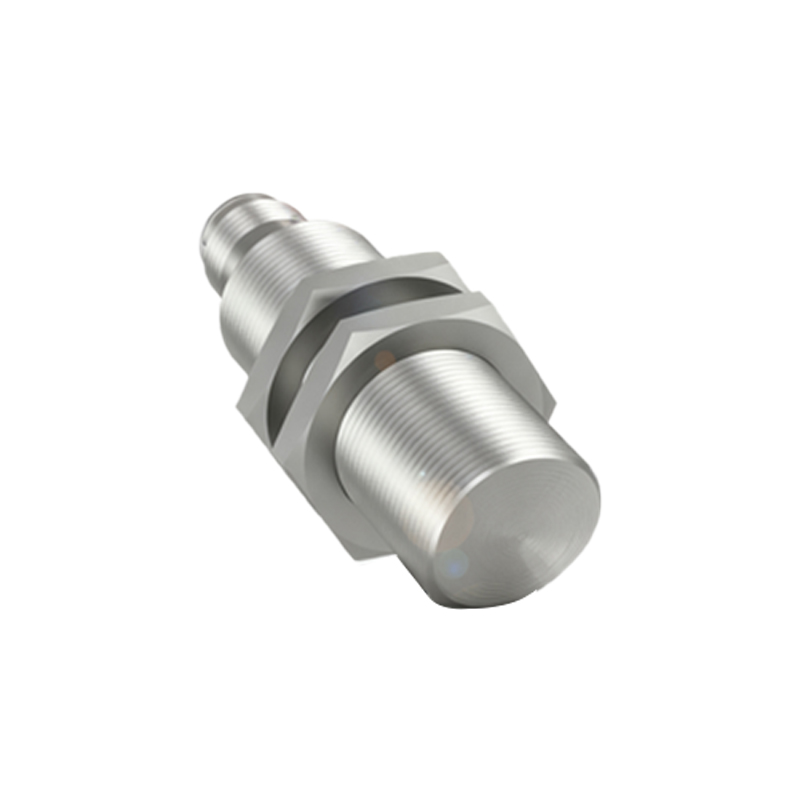
Furthermore, the design paradigm has shifted towards miniaturization and multifunctionality. New factories are producing sensors that are remarkably compact yet pack a powerful punch. We now see units combining inductive, capacitive, and even photoelectric sensing principles into single, rugged housings. These multi-technology sensors can detect a wider range of target materials—from metals and plastics to liquids and granular substances—with high accuracy. This versatility reduces inventory complexity for end-users and simplifies machine design.
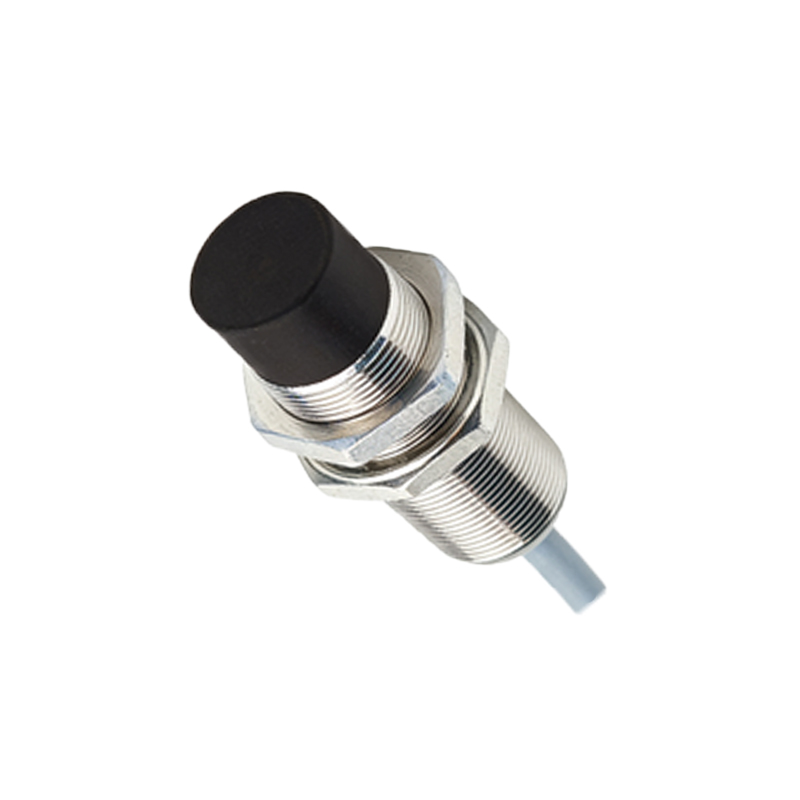
Connectivity is another frontier being aggressively pursued. The modern proximity sensor is no longer an isolated component; it is a node in the Industrial Internet of Things (IIoT). Factories are embedding smart sensors with IO-Link, Ethernet-APL, and wireless protocols. This enables real-time data transmission on parameters like temperature, switch cycles, and signal strength directly to PLCs or cloud-based monitoring platforms. Predictive maintenance becomes a reality, as these sensors can alert operators to potential failures before they cause costly downtime.
The impact on specific sectors is profound. In logistics and material handling, new high-speed sensors enable precise tracking and sorting of packages on conveyor belts at rates previously unimaginable. In the food and beverage industry, hermetically sealed sensors made from FDA-compliant materials ensure hygiene while detecting fill levels or cap placement. The automotive sector benefits from ultra-precise sensors that monitor robotic weld gun positions or verify part presence in complex assembly jigs.
However, this progress is not without its challenges. The increased complexity of sensors demands a more skilled workforce for installation, configuration, and troubleshooting. Manufacturers are responding by offering enhanced digital twins, simulation software, and comprehensive training modules alongside their hardware. Standardization bodies are also working to keep pace, developing new guidelines to ensure interoperability and safety across devices from different vendors.
Looking ahead, the trajectory is clear. Research and development in these specialized factories are focusing on energy harvesting capabilities, allowing sensors to operate battery-free by scavenging energy from vibration, light, or thermal gradients. Advances in machine learning algorithms will lead to "cognitive" sensors that can adapt their sensing characteristics based on the environment and learned patterns of operation.
In conclusion, the new wave of proximity sensor manufacturing is a testament to the synergistic power of advanced engineering, digitalization, and strategic industrial focus. These facilities are not just building components; they are delivering the foundational sensory layer for the smart factories of tomorrow. For engineers and plant managers, staying abreast of these developments is essential to leveraging their full potential for driving operational excellence, agility, and innovation in an increasingly competitive global market. The proximity sensor, once a simple switch, has truly become the intelligent eyes and ears of modern industry.