In the intricate world of industrial automation and control, capacitive proximity sensors stand as a cornerstone technology, enabling machines to perceive their environment without physical contact. Unlike their inductive counterparts that detect only metals, capacitive sensors offer a versatile solution for detecting a vast array of materials, including liquids, powders, plastics, wood, and glass. This fundamental capability makes them indispensable across numerous sectors, from food and beverage processing to pharmaceutical manufacturing and packaging.
The operating principle of a capacitive proximity sensor is elegantly rooted in the concept of capacitance. Essentially, the sensor's active face, along with the connected object, forms a capacitor. The sensor generates an electrostatic field. When a target object enters this detection field, it alters the dielectric constant and thus the capacitance of the system. The sensor's internal oscillator circuit is tuned to trigger a state change (typically an output signal) when this capacitance reaches a specific threshold. A key feature is the ability to adjust the sensitivity, often via a potentiometer, to compensate for different material properties or to ignore interfering background objects. This sensitivity adjustment is crucial for reliable operation in challenging environments.
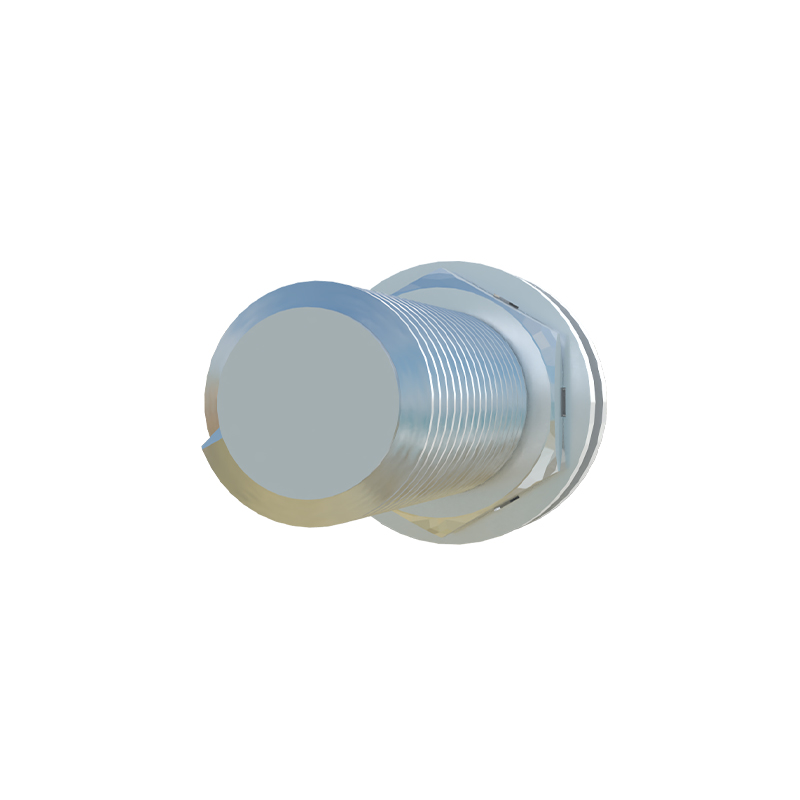
The applications for capacitive sensors are remarkably diverse. In liquid level detection, they are perfect for monitoring the fill level of both conductive and non-conductive fluids inside non-metallic tanks, such as those made of plastic or glass, preventing overflows or dry running of pumps. In the packaging industry, they reliably detect the presence of cardboard boxes, plastic bottles, or foil wrappers on conveyor belts, ensuring proper line control. They are also extensively used for bulk material level sensing in silos containing grains, powders, or pellets. Another critical application is in assembly verification, where they can confirm the presence of a non-metallic component, like a gasket or a plastic cap, that an inductive sensor would miss.
Choosing a capacitive sensor over other types brings several distinct advantages. Their material versatility is the primary benefit, eliminating the need for multiple sensor types on a line handling diverse products. They are exceptionally reliable for detecting non-metals through thin non-metallic container walls, enabling non-invasive monitoring. Modern designs often feature robust housings (e.g., PTFE or stainless steel) and high ingress protection (IP) ratings, making them suitable for washdown areas in food processing or dusty conditions in milling. Furthermore, they provide stable performance regardless of the target's color or surface finish, a limitation for some optical sensors.
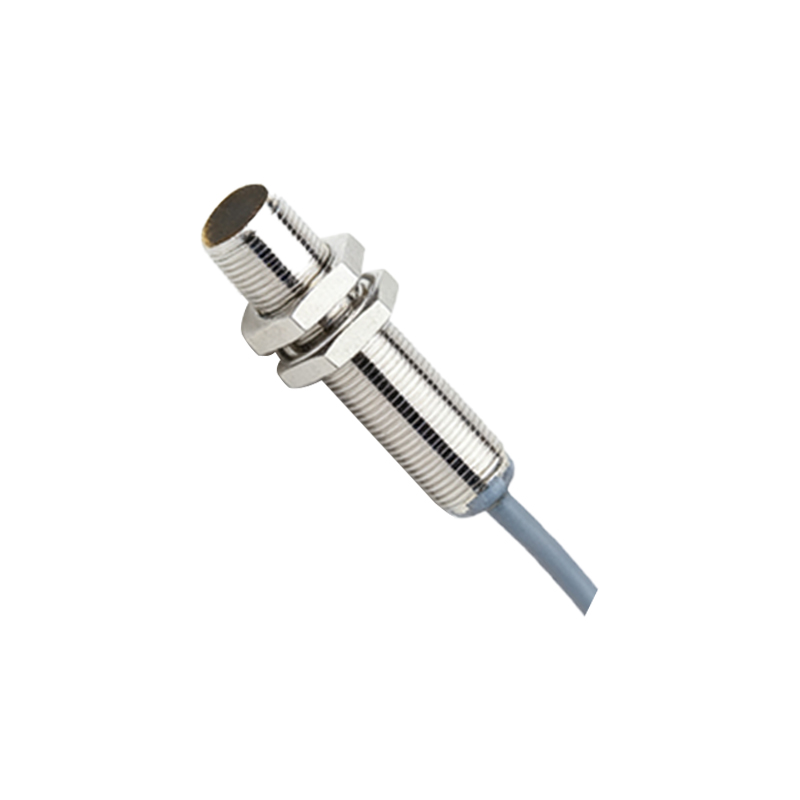
However, effective implementation requires careful consideration. The sensor's sensing distance can be influenced by the target material's density and dielectric constant; a material with a higher dielectric constant is detected more easily and at a greater distance. Environmental factors like excessive dust, humidity, or temperature extremes must be accounted for by selecting appropriately rated sensors. Proper installation is also vital; mounting the sensor too close to a large grounded metal surface can create a parasitic capacitance effect, potentially causing false triggering. Adjusting the sensitivity correctly during commissioning is a critical step to ensure it detects the intended target while ignoring the container or background.
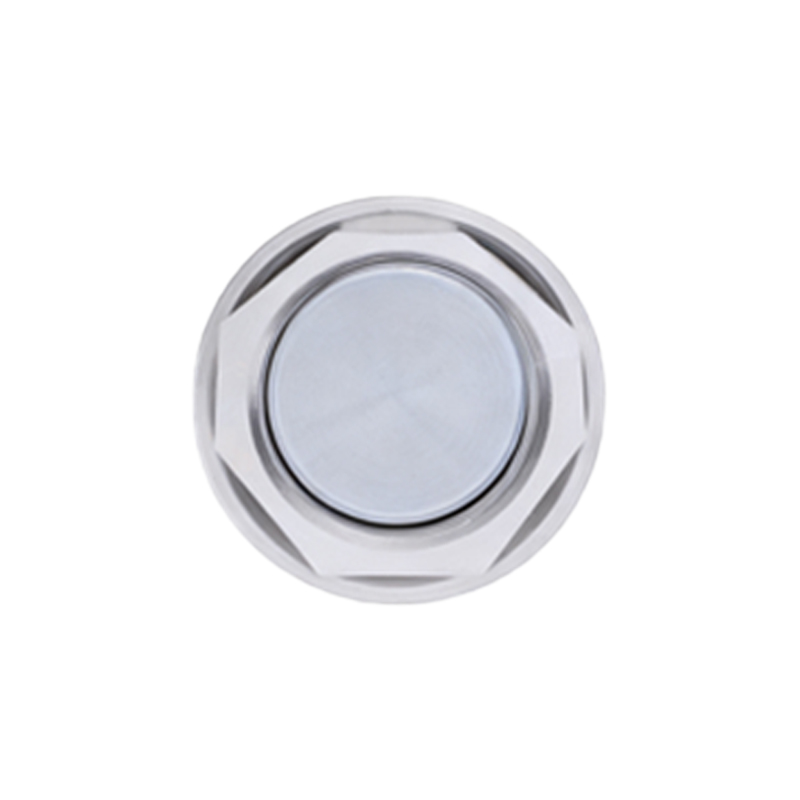
Looking ahead, the integration of capacitive sensors into Industrial Internet of Things (IIoT) frameworks is advancing. Smart sensors with IO-Link communication can provide diagnostic data, such as signal strength or operating temperature, enabling predictive maintenance and finer process optimization. Miniaturization continues, allowing their placement in increasingly confined spaces. As industries strive for greater flexibility and efficiency, the role of the capacitive proximity sensor will only expand, solidifying its position as a key enabler of intelligent, responsive, and contact-free automation systems. Their ability to "sense the unsensible" – to detect materials invisible to other common sensor technologies – ensures they remain a vital tool in the engineer's arsenal for solving complex detection challenges.