The evolution of proximity sensing technology represents a cornerstone of modern industrial automation and smart systems. As a seasoned electrical engineer observing this field, I see a trajectory defined by miniaturization, enhanced intelligence, and seamless integration. The fundamental principle—detecting the presence or absence of an object without physical contact—remains, but the execution is undergoing a revolutionary transformation.
Historically, inductive and capacitive sensors dominated, offering robust solutions for metal detection and level sensing in harsh environments. However, the future is decidedly multi-modal. Ultrasonic sensors are achieving greater accuracy and noise immunity, while photoelectric sensors are becoming faster and more adaptable to diverse surfaces and colors. The most significant leap, however, is the integration of advanced sensing principles like Time-of-Flight (ToF) and LiDAR. These technologies provide not just binary detection but precise distance measurement and 3D profiling, enabling applications far beyond traditional factory floors, such as in autonomous mobile robots (AMRs) and advanced human-machine interfaces.
The driving force behind this advancement is the relentless demand for Industry 4.0 and the Industrial Internet of Things (IIoT). Modern proximity sensors are no longer isolated switches; they are intelligent nodes on a network. They are increasingly equipped with embedded microprocessors, digital interfaces (IO-Link being a prime example), and self-diagnostic capabilities. This intelligence allows for predictive maintenance, remote configuration, and the generation of valuable process data. A sensor can now communicate its health, operating temperature, and even signal degradation trends, preventing unplanned downtime.
Another critical frontier is the enhancement of human-centric sensing. Safety light curtains and laser scanners have long provided perimeter guarding. The next generation involves more sophisticated presence detection for collaborative robot (cobot) workspaces. Sensors must distinguish between a human hand and a tool with极高 reliability, enabling safe and fluid collaboration. Furthermore, the development of low-power, wearable proximity sensors is opening doors in healthcare and assisted living, monitoring patient movement or detecting falls.
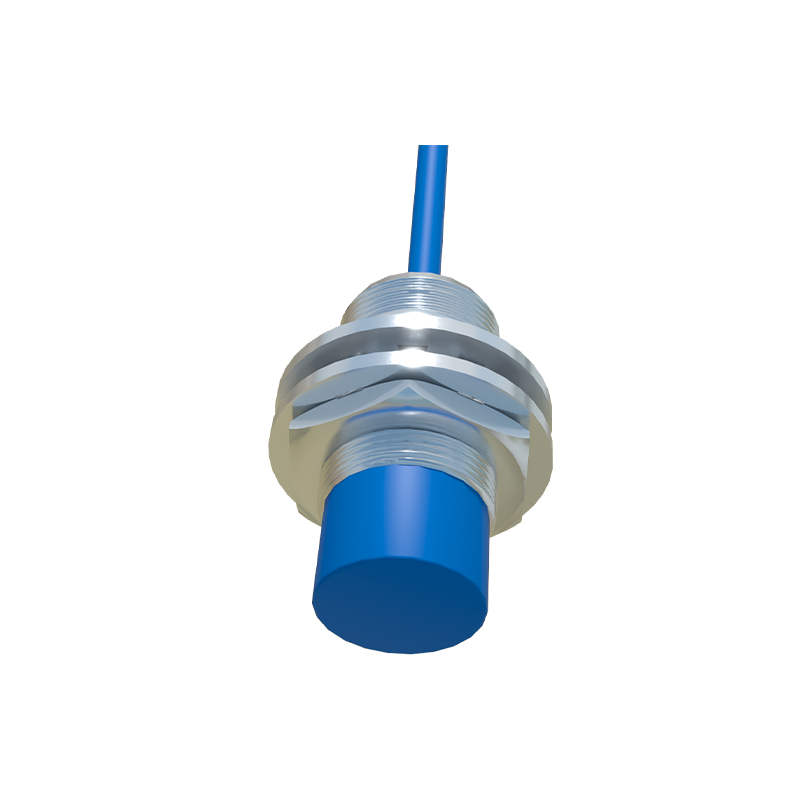
Material science and packaging are equally pivotal. Engineers now demand sensors that can withstand extreme temperatures, high-pressure washdowns (IP69K ratings), and exposure to corrosive chemicals. The development of robust, yet sensitive, sensing faces using novel polymers and ceramics is ongoing. Simultaneously, the push for miniaturization continues, allowing sensors to be embedded into increasingly compact machinery and consumer electronics without sacrificing performance.
The convergence with Artificial Intelligence (AI) and machine learning (ML) is perhaps the most transformative prospect. AI algorithms can process complex data streams from sensor arrays to interpret context. For instance, a combination of proximity, vision, and inertial sensors on an AMR can not only detect an obstacle but classify it (is it a person, a pallet, or a wall?) and predict its trajectory, leading to more nuanced and efficient navigation. This moves sensing from simple detection to environmental comprehension.
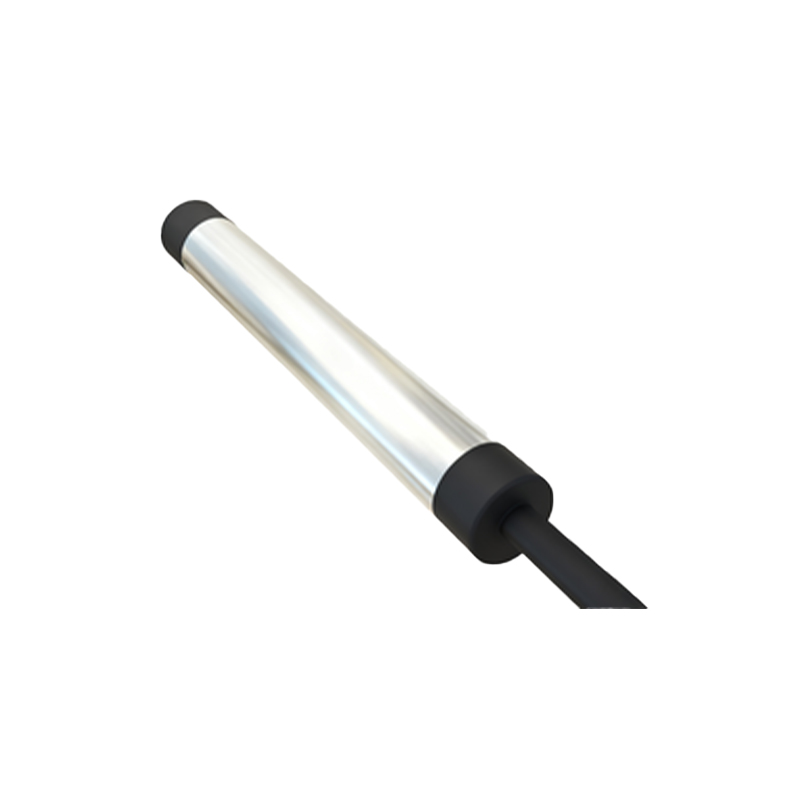
Challenges remain, of course. Electromagnetic interference (EMI) in densely packed control cabinets, the reliable detection of transparent or glossy objects for photoelectric sensors, and the cost-pressure for high-volume applications are persistent engineering puzzles. Standardization of communication protocols and data models is also crucial for full IIoT realization.
In conclusion, the future of proximity sensors is one of convergence and context-awareness. They are evolving from discrete components into perceptive systems. For electrical engineers and system integrators, this means a shift from mere installation to strategic implementation. Selecting a sensor will increasingly involve evaluating its communication capabilities, data output, and compatibility with broader analytics platforms. The humble proximity sensor, a workhorse of automation, is poised to become a key enabler of smarter, safer, and more responsive technological ecosystems across manufacturing, logistics, healthcare, and beyond. Its development will be less about singular breakthroughs and more about the sophisticated integration of sensing, connectivity, and data analytics.