Proximity sensors are ubiquitous in modern industrial automation, consumer electronics, and automotive systems. These non-contact devices reliably detect the presence or absence of an object, forming a critical link in control and safety circuits. However, a common and disruptive failure mode is sensor burnout, where the internal components overheat and become permanently damaged, leading to system downtime and costly replacements. Understanding the root causes of this failure is the first step toward effective prevention.
The primary culprit behind proximity sensor burnout is electrical overload. This often stems from incorrect wiring or connection errors. A frequent mistake is connecting the sensor to a voltage supply exceeding its rated specification. For instance, applying 24V DC to a sensor designed for 12V DC creates excessive current flow, generating heat that the component cannot dissipate. Similarly, reverse polarity connection, where the positive and negative wires are swapped, can cause immediate and catastrophic failure by driving current through unintended internal pathways. Even with correct voltage, using an incompatible load, such as connecting an inductive load without proper suppression, can generate voltage spikes (back-EMF) that overwhelm the sensor's output transistor during switch-off.
Environmental factors play a significant role. Excessive ambient temperature is a silent killer. Operating a sensor near its maximum temperature rating, or in an enclosure without adequate ventilation, reduces its ability to cool itself. The cumulative thermal stress degrades components over time, eventually leading to burnout. Contamination is another threat. Conductive dust, metal shavings, or moisture can create short circuits across the sensor's terminals or housing, causing a sudden surge in current. In washdown or outdoor applications, corrosion of electrical contacts increases resistance, which in turn generates localized heat at the connection points.
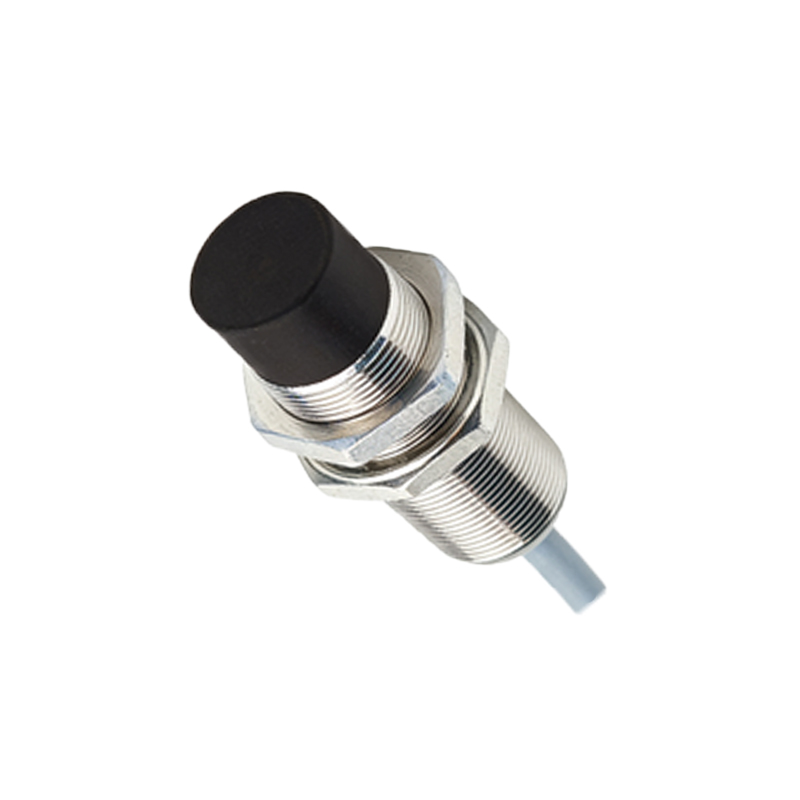
Physical damage and installation issues are often overlooked causes. Mechanical stress from vibration or impact can crack internal solder joints or semiconductor dies. This creates points of high electrical resistance that heat up during operation. Improper mounting, such as over-tightening the sensor or mounting it in a way that transmits structural stress to the housing, can also deform internal assemblies and lead to premature failure.
Preventing proximity sensor burnout requires a systematic approach. Start with meticulous installation. Always verify the sensor's datasheet specifications—including voltage, current, and temperature range—against the application requirements. Use shielded cables in electrically noisy environments and route them away from power lines and motor drives to minimize inductive interference. For DC sensors driving inductive loads (like relays or solenoids), always install a protection diode or a metal-oxide varistor (MOV) across the load to clamp voltage transients. Ensure all electrical connections are tight, clean, and corrosion-free.
Environmental protection is crucial. Select a sensor with an appropriate Ingress Protection (IP) rating for the operating conditions. For high-temperature environments, consider sensors rated for extended temperature ranges or provide external cooling. Regular maintenance, including cleaning lenses or sensing faces and checking for accumulated debris, can prevent performance degradation. Implementing a periodic inspection schedule to check for loose wiring, signs of overheating (discoloration), or physical damage can catch problems before they result in failure.
When a sensor does burn out, a proper diagnostic procedure is essential. Do not simply replace it and restart; identify the root cause first. Disconnect power and check the supply voltage with a multimeter. Inspect the wiring for shorts, fraying, or incorrect polarity. Measure the load resistance to ensure it is within the sensor's switching capacity. If the sensor is part of a complex circuit, consider using an oscilloscope to check for electrical noise or transient spikes on the power lines. Replacing a sensor without addressing the underlying issue will almost certainly lead to a repeat failure.
In summary, proximity sensor burnout is rarely a random event. It is typically the result of electrical misuse, environmental overstress, or physical mishandling. By adhering to proper selection, installation, and maintenance practices—paying close attention to voltage ratings, load characteristics, and environmental seals—engineers and technicians can dramatically extend sensor life and ensure system reliability. Investing time in prevention ultimately saves significant resources spent on troubleshooting and unplanned downtime, keeping automated processes running smoothly and efficiently.