Photoelectric proximity sensors are indispensable components in modern industrial automation, offering non-contact detection capabilities for a wide range of objects and materials. Their operation is based on the emission of a light beam—typically infrared, visible red, or laser—and the detection of changes in the received light signal caused by the presence or absence of a target. Unlike inductive or capacitive sensors, photoelectric sensors are not limited to detecting metallic objects and can sense virtually any material, including glass, plastic, wood, and liquids, provided the object affects the light beam. This fundamental principle gives rise to several defining characteristics that make them highly versatile and reliable in demanding environments.
One of the primary characteristics is the variety of sensing modes available. The three main operational modes are through-beam, retro-reflective, and diffuse (proximity) sensing. Through-beam sensors, consisting of separate emitter and receiver units, offer the longest sensing ranges and highest reliability, as they detect an object that breaks the beam. Retro-reflective sensors use a single unit and a reflector, bouncing the beam back to the receiver; they provide good range but can be fooled by highly reflective objects. Diffuse or proximity sensors rely on the reflection of light directly from the target object itself, making them compact and easy to install, though sensing range and performance are dependent on the target's color, texture, and reflectivity. This flexibility in modes allows engineers to select the optimal configuration for specific application challenges, such as long-distance detection, small part sensing, or transparent object recognition.
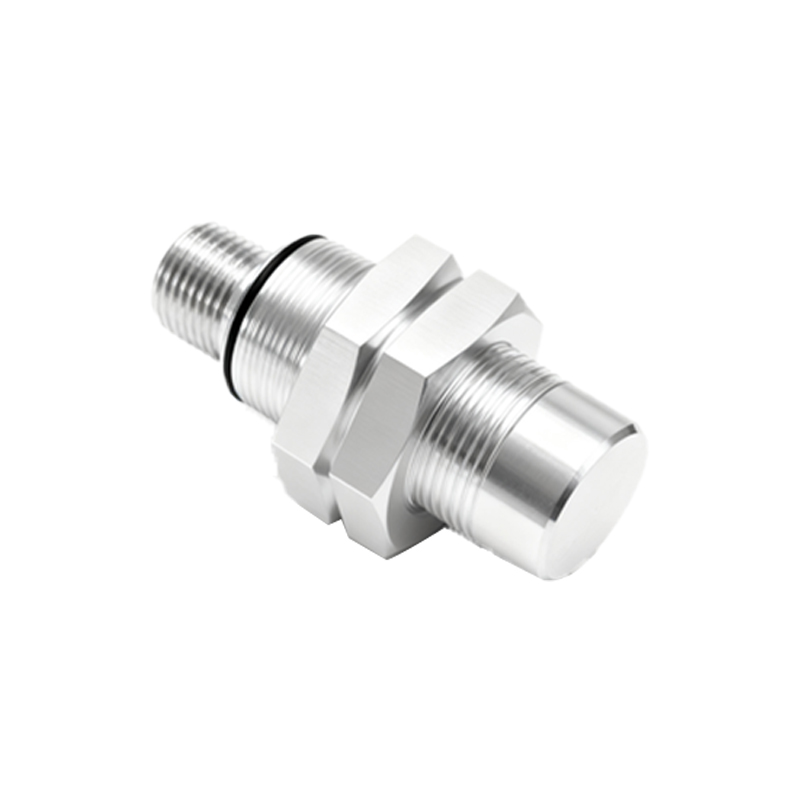
Another critical characteristic is their exceptional sensing range and precision. Advanced photoelectric sensors, particularly laser-based models, can detect objects at distances ranging from a few millimeters to several hundred meters with remarkable accuracy. This makes them ideal for applications like material handling, packaging, and assembly line positioning where precise object location is paramount. Furthermore, many models feature background suppression or foreground suppression technology, which allows them to ignore objects beyond or before a set distance. This characteristic is crucial for detecting objects on conveyors or ensuring a robot gripper picks up only the top item in a stack, thereby enhancing process reliability and reducing errors.
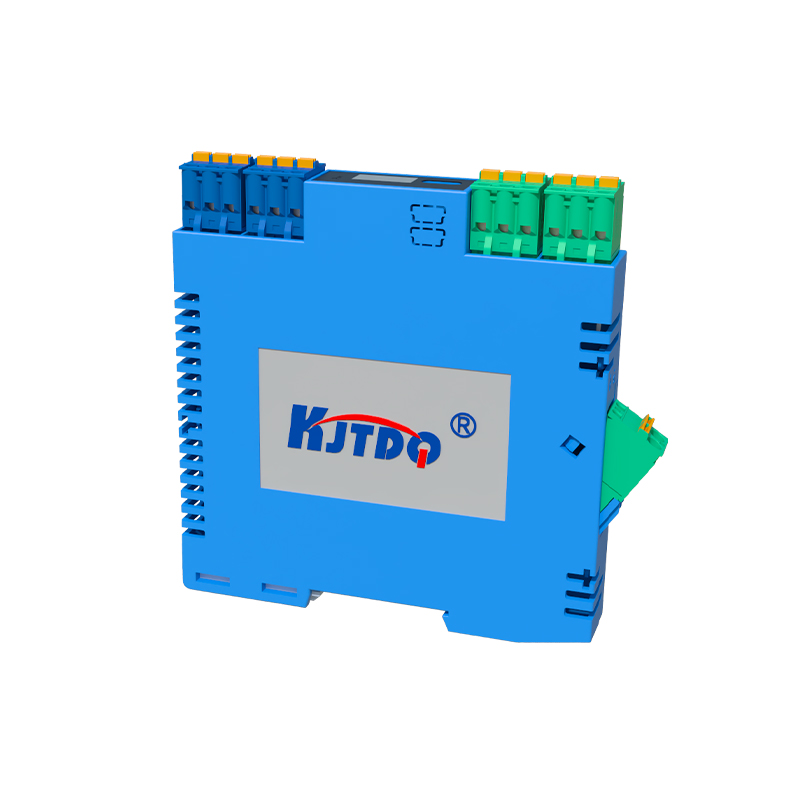
The performance of photoelectric sensors is also characterized by their high switching frequency and fast response times. Capable of detecting thousands of objects per minute, they are perfectly suited for high-speed production lines in industries like automotive, pharmaceuticals, and consumer electronics. Their rapid response—often in the microsecond range—enables precise timing and control in fast-paced sequential operations. This speed, combined with non-contact operation, eliminates mechanical wear and tear, leading to another key characteristic: exceptional longevity and minimal maintenance requirements. With no moving parts to degrade from physical contact, these sensors offer a significantly longer service life compared to mechanical limit switches, reducing downtime and total cost of ownership.
Environmental robustness is a defining feature of industrial-grade photoelectric sensors. They are typically housed in rugged casings made of metal or high-grade plastic, with ingress protection (IP) ratings like IP67 or IP69K that guarantee resistance to dust, water jets, and harsh cleaning chemicals. This makes them suitable for use in food and beverage processing, outdoor applications, and washdown areas. Additionally, they are designed to withstand electrical noise, vibration, and temperature extremes common in industrial settings. Modern sensors also incorporate advanced diagnostics, such as LED status indicators or IO-Link communication, which provide real-time information about operating status, signal strength, and potential contamination of the lens, facilitating predictive maintenance.
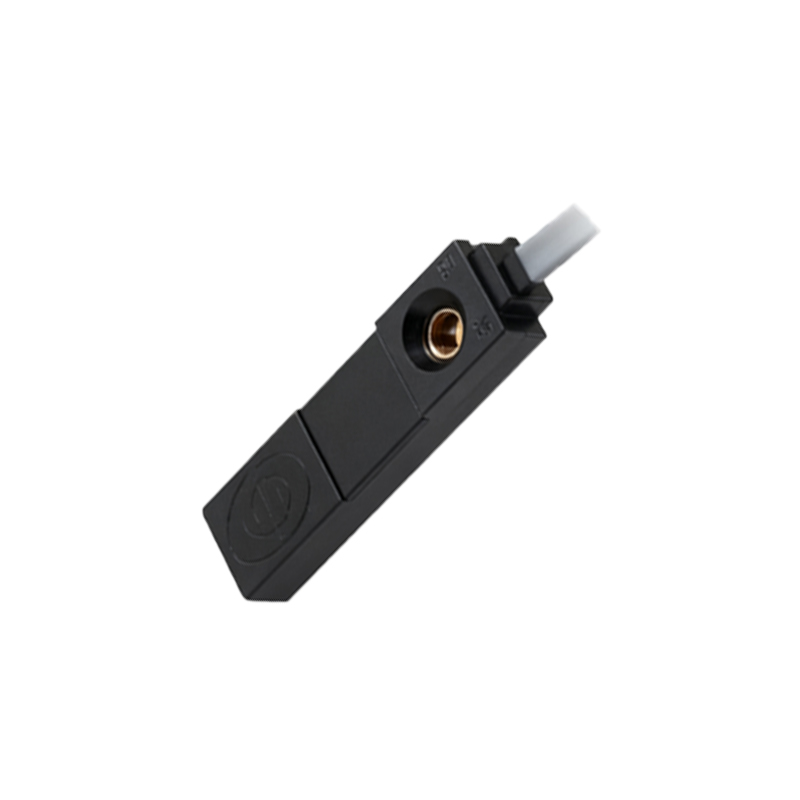
Finally, the adaptability of photoelectric sensors is a major characteristic. Many models offer programmable functions, allowing users to set parameters like sensitivity, light-on/dark-on operation, and output delay timers directly on the device or via software. The ability to sense challenging materials—like transparent films, clear glass bottles, or shiny metallic surfaces—has been greatly enhanced with specialized models using polarized light or coaxial optical designs. This adaptability ensures that a photoelectric solution can be engineered for even the most complex detection tasks, solidifying their role as a cornerstone of industrial sensing technology. Their combination of versatility, precision, speed, and durability continues to drive innovation and efficiency across countless automation applications worldwide.