In the world of automation and smart technology, the ability of a machine to detect the presence or absence of an object without physical contact is fundamental. This capability is provided by object proximity sensors, silent workhorses that enable countless modern conveniences and industrial efficiencies. These devices operate on the principle of emitting a field or beam and detecting changes in that field caused by a target object entering its sensing range.
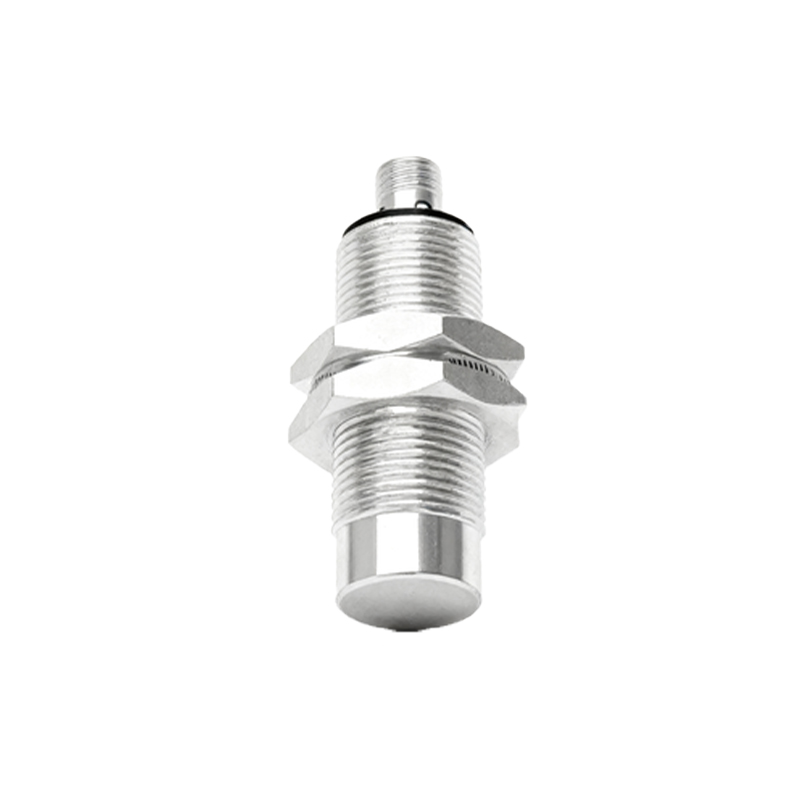
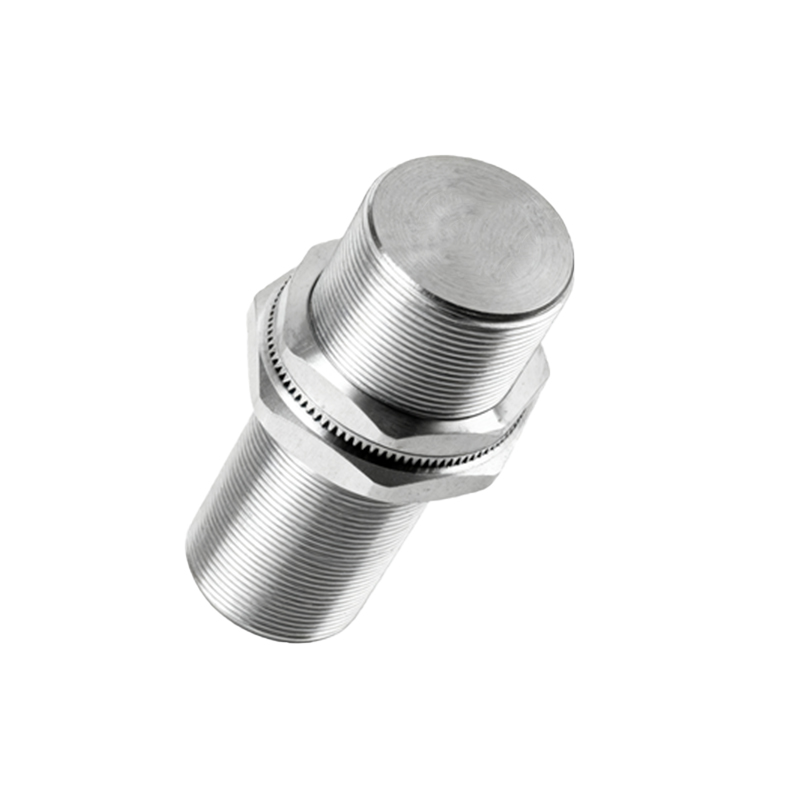
The technology behind these sensors is diverse, each suited to specific conditions and materials. Inductive proximity sensors are among the most common. They generate an electromagnetic field and detect the eddy current losses caused when a metallic object enters this field. Robust, reliable, and excellent for harsh industrial environments, they are ideal for detecting metal parts in machinery, such as in automotive assembly lines or CNC machines. However, their limitation is clear: they only work with conductive materials.
For non-metallic objects, capacitive proximity sensors step in. These sensors can detect almost any material—plastics, wood, liquids, powders, and even human hands—by measuring changes in capacitance. When an object enters the electrostatic field generated by the sensor, it alters the capacitance, triggering detection. This makes them versatile for applications like liquid level sensing in tanks, material handling in packaging, and touch-sensitive interfaces.
Another widely used category is photoelectric sensors. These employ a light emitter (usually LED) and a receiver. They detect objects by interpreting changes in the received light signal. Photoelectric sensors come in several configurations. Through-beam sensors have separate emitter and receiver units; an object is detected when it breaks the light beam. Retro-reflective sensors use a reflector to bounce the light back to the receiver, detecting an object when the beam is interrupted. Diffuse reflective sensors detect light reflected directly off the target itself. They offer long sensing ranges and can detect a vast array of materials, making them perfect for conveyor belt systems, object counting, and automated doors.
Ultrasonic proximity sensors use high-frequency sound waves. They measure the time it takes for an emitted sound pulse to bounce back from an object. This time-of-flight principle allows them to detect objects regardless of color, transparency, or material, and they can often provide distance information. Common uses include parking assistance systems in vehicles, bulk level monitoring in silos, and robotic obstacle avoidance.
Selecting the right proximity sensor requires careful consideration of several factors. First, identify the target material. Is it metal, plastic, liquid, or something else? This immediately narrows the choice to inductive, capacitive, or other types. Next, consider the required sensing distance. Inductive sensors typically have shorter ranges, while ultrasonic and some photoelectric sensors can detect objects several meters away. The operating environment is critical. Will the sensor be exposed to dust, moisture, vibrations, or extreme temperatures? Sensors are rated with Ingress Protection (IP) codes for such conditions. Response speed is another key parameter for high-speed automation lines. Finally, the output type—whether a simple digital switch (PNP/NPN) or an analog signal proportional to distance—must match the control system's requirements.
The applications of object proximity sensors are virtually limitless. In manufacturing, they ensure precise positioning of components, count products, and provide safety interlocks for machinery guards. In consumer electronics, they deactivate touchscreens when a phone is held to the ear. In the automotive sector, they enable advanced driver-assistance systems (ADAS) like blind-spot monitoring and automatic braking. In smart buildings, they control lighting and faucets, promoting energy efficiency.
As technology advances, sensors are becoming smarter, smaller, and more integrated. The integration of IO-Link and other industrial communication protocols allows for detailed parameter setting and diagnostic data retrieval, facilitating predictive maintenance. The rise of the Industrial Internet of Things (IIoT) leverages data from these ubiquitous sensors to optimize entire processes.
In conclusion, object proximity sensors are indispensable components in the automated landscape. Understanding their operating principles, types, and key selection criteria is essential for engineers, technicians, and designers to build reliable, efficient, and intelligent systems. From a simple assembly line to a complex autonomous robot, these sensors provide the essential sense of "touch" that bridges the physical and digital worlds.