In the realm of industrial automation and control systems, proximity switch sensors are indispensable components, detecting the presence or absence of objects without physical contact. The performance and longevity of these sensors heavily depend on their enclosures, which protect sensitive internal electronics from harsh environmental conditions. Custom enclosure manufacturing for proximity switches is not merely a matter of housing; it is a critical engineering process that ensures reliability, safety, and optimal functionality in diverse applications. This article delves into the key considerations, materials, and processes involved in tailoring enclosures to meet specific operational demands.
The primary function of a proximity switch sensor enclosure is to shield the device from external factors such as dust, moisture, chemicals, and mechanical impact. In industries like manufacturing, automotive, and food processing, sensors often operate in environments with extreme temperatures, high humidity, or corrosive substances. A custom-designed enclosure must account for these challenges by selecting appropriate materials. Common choices include stainless steel for its corrosion resistance and durability, aluminum for lightweight and heat dissipation properties, and engineering plastics like PBT or PEEK for electrical insulation and chemical resistance. Each material offers distinct advantages, and the selection process involves balancing factors like cost, weight, and environmental compatibility.
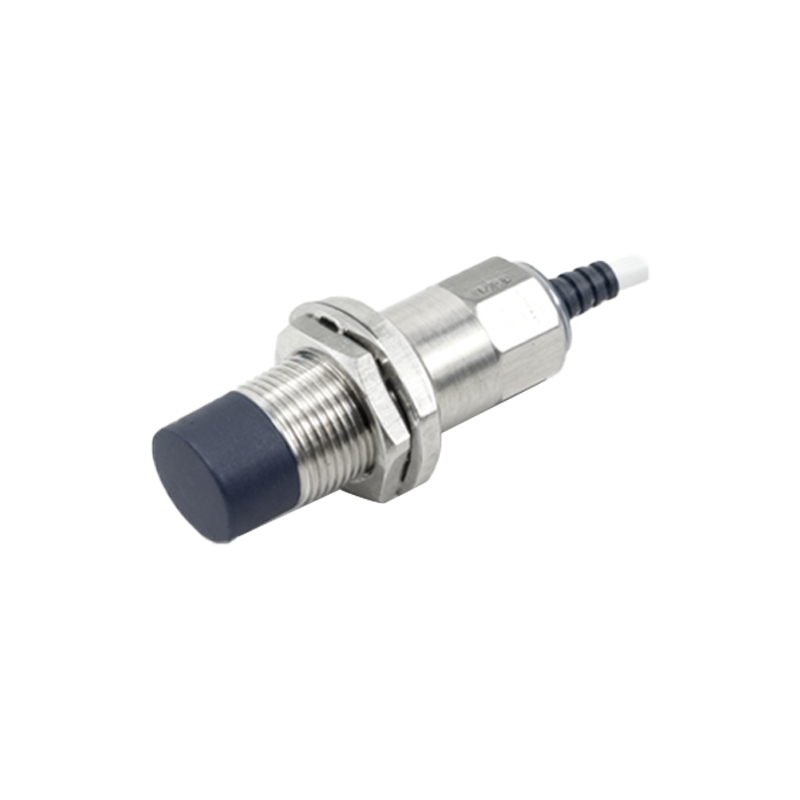
Designing a custom enclosure begins with a thorough analysis of the sensor's specifications and the installation environment. Engineers must consider the sensor's size, shape, and mounting requirements, as well as the IP (Ingress Protection) rating needed to prevent ingress of solids and liquids. For instance, a sensor used in a washdown area in a food plant may require an IP69K rating to withstand high-pressure, high-temperature cleaning. Additionally, thermal management is crucial, as proximity switches can generate heat during operation. Enclosures may incorporate heat sinks, ventilation slots, or thermal conductive materials to dissipate heat effectively, preventing overheating that could lead to sensor failure.
The manufacturing process for custom enclosures typically involves precision machining, casting, or injection molding, depending on the material and design complexity. CNC machining is favored for metal enclosures due to its accuracy and ability to produce complex geometries with tight tolerances. For plastic enclosures, injection molding offers cost-effectiveness for high-volume production, while 3D printing is gaining traction for prototyping and low-volume custom parts. Surface treatments, such as anodizing for aluminum or powder coating for steel, enhance durability and provide additional protection against corrosion and wear.
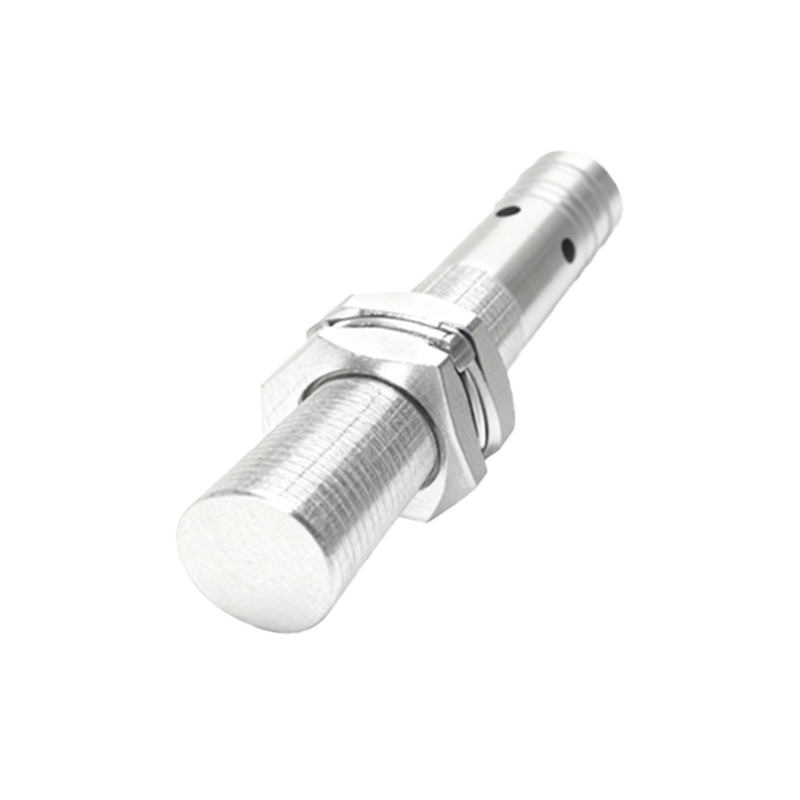
Electrical compatibility is another vital aspect. Enclosures must accommodate cable entries, connectors, and wiring without compromising the seal. Options like molded cable glands or integrated connectors can simplify installation and maintain the IP rating. Furthermore, electromagnetic interference (EMI) shielding may be necessary in environments with high electrical noise, requiring enclosures made from conductive materials or with special coatings to ensure sensor accuracy.
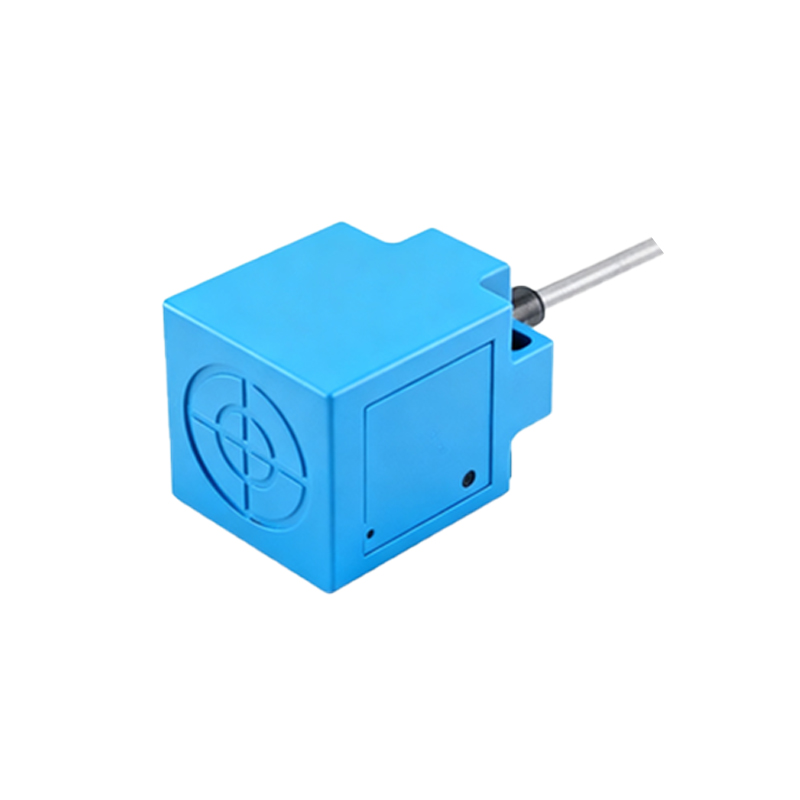
In practice, collaboration between sensor manufacturers and enclosure specialists is essential. By sharing detailed application requirements, such as operating temperature ranges, exposure to chemicals, and mechanical stress factors, clients can obtain enclosures that are not only protective but also optimized for performance. Case studies from sectors like robotics, where sensors require compact, rugged enclosures for precise object detection, or from outdoor applications, where UV resistance and waterproofing are paramount, illustrate the importance of customization.
Ultimately, investing in custom enclosure manufacturing for proximity switch sensors pays dividends in enhanced reliability and reduced downtime. A well-designed enclosure extends the sensor's lifespan, minimizes maintenance needs, and ensures consistent operation in demanding conditions. As industries evolve towards smarter, more connected systems, the role of tailored enclosures will only grow, supporting the seamless integration of sensors into the Internet of Things (IoT) and Industry 4.0 frameworks. By prioritizing quality in enclosure design and production, engineers can safeguard critical automation components and drive efficiency across industrial operations.