In the dynamic landscape of industrial automation, the selection of sensing technology is paramount to operational efficiency, reliability, and cost-effectiveness. Among the diverse array of sensors available, plastic proximity switch sensors have carved out a significant niche, offering a compelling alternative to their traditional metal-housed counterparts. This article delves into the technical specifications, operational principles, advantages, and typical application scenarios of these versatile components, providing a detailed guide for engineers and procurement specialists.
A proximity switch sensor, fundamentally, is a non-contact device that detects the presence or absence of an object within its sensing range without physical contact. Plastic proximity sensors operate on the same core principles—typically inductive, capacitive, or sometimes ultrasonic—but are distinguished by their housing and certain internal materials. Inductive plastic sensors, the most common type, generate an oscillating electromagnetic field. When a metallic target enters this field, it induces eddy currents, causing a change in oscillation amplitude that is detected and converted into a switching signal. Capacitive versions can detect both metallic and non-metallic materials by sensing changes in capacitance.
The primary differentiator and advantage of plastic sensors lie in their construction. The housing is typically manufactured from high-performance engineering plastics such as PBT (Polybutylene Terephthalate), PPS (Polyphenylene Sulfide), or PVDF (Polyvinylidene Fluoride). These materials are selected for their exceptional properties, which directly translate into application benefits.
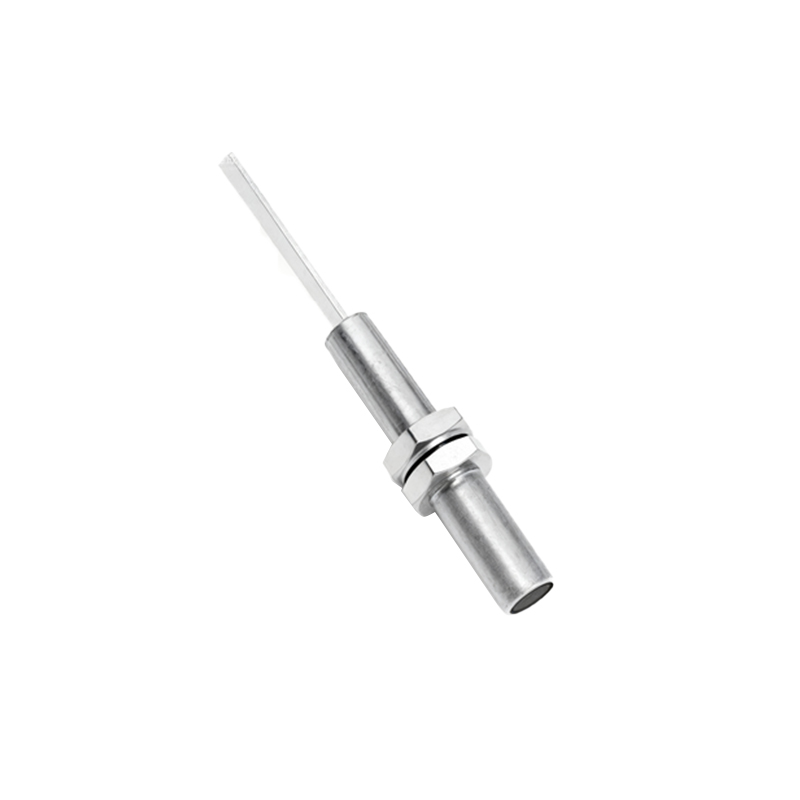
Key Advantages of Plastic Proximity Sensors:
1. Corrosion and Chemical Resistance: This is arguably the most significant advantage. In harsh environments where exposure to acids, alkalis, solvents, salts, or cleaning agents is common, metal sensors can corrode and fail prematurely. Plastic housings are inherently resistant to a wide spectrum of chemicals, ensuring longevity in chemical processing, food and beverage, pharmaceutical, and marine applications.
2. Non-Metallic, Non-Corrosive: The plastic body itself will not corrode or leave metallic particulates, which is a critical requirement in cleanrooms, semiconductor fabrication, and food-grade production lines where contamination must be avoided.
3. Lightweight: Plastic sensors are substantially lighter than equivalent metal sensors. This reduces mechanical stress on mounting brackets and simplifies handling during installation and maintenance, especially in applications involving robotic arms or moving machinery.
4. Electrical Insulation: The plastic housing provides excellent electrical insulation, enhancing safety in environments with risk of short circuits or where the sensor might contact live components.
5. Resistance to Physical Adhesion: In processes involving sticky substances like adhesives, paints, or food products, materials are less likely to adhere permanently to a smooth plastic surface compared to a textured metal one, simplifying cleaning.
6. Cost-Effectiveness: For standard applications without extreme mechanical stress, plastic sensors often present a more economical solution due to lower material and manufacturing costs.
However, it is crucial to understand their limitations. Plastic sensors generally have lower mechanical strength and impact resistance compared to ruggedized metal sensors. They may not be suitable for applications with high risk of physical abrasion, crushing forces, or extreme temperatures beyond the plastic's specified range (typically -25°C to +70°C for standard types, with high-temp variants available).
Critical Selection Parameters:
When specifying a plastic proximity sensor, engineers must consider several parameters beyond the housing material:
Sensing Principle: Inductive (for metals only) or Capacitive (for metals and non-metals).
Sensing Distance: The nominal operating distance, which can be affected by the target material's size and composition.
Output Type: PNP (sourcing) or NPN (sinking) transistor outputs, analog outputs, or IO-Link for smart sensor capabilities.
Electrical Connection: Pre-wired cable, quick-disconnect (M8, M12 connectors), or terminal box.
Ingress Protection (IP) Rating: A critical factor. Look for ratings of IP67 or IP69K for protection against dust, water jets, and high-pressure/steam cleaning, which is common in washdown environments.
Food-Grade Certifications: For food and pharmaceutical use, materials often require FDA compliance or EC1935/2004 certification, and the design should facilitate hygienic installation.
Application Examples:
Plastic proximity sensors are ubiquitous across industries:
Packaging Machinery: Detecting presence of plastic bottles, cartons, or foil lids on conveyor lines.
Food Processing: Monitoring fill levels in tanks, detecting containers on stainless steel conveyors, and ensuring cap placement—all while withstanding frequent washdowns with caustic cleaners.
Material Handling: Position sensing on plastic chain conveyors, pallet detection, and end-of-travel limits.