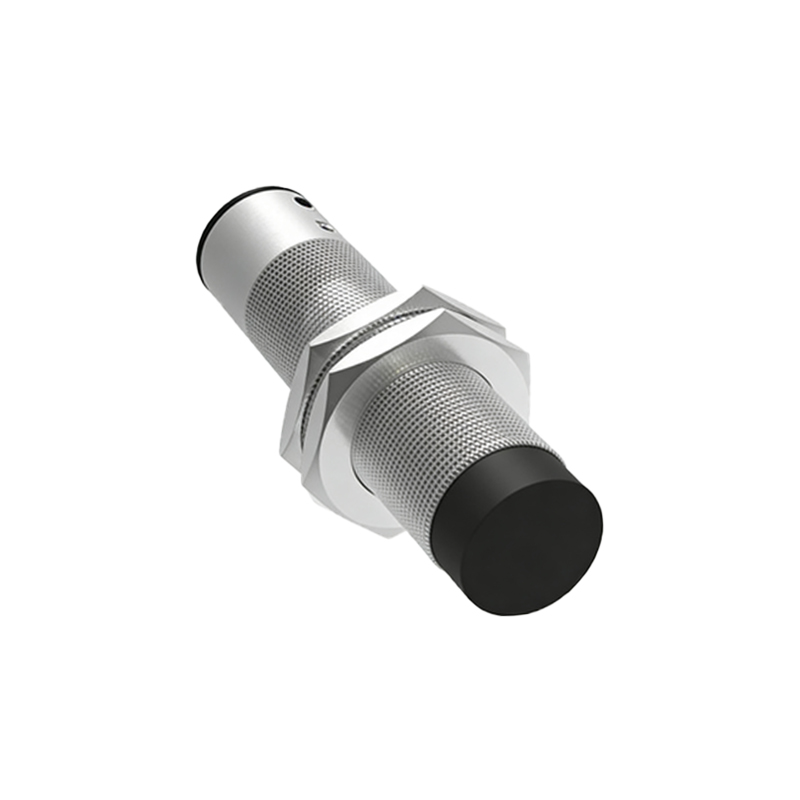
In the intricate world of industrial automation and machine control, proximity sensors stand as silent sentinels, enabling non-contact detection of objects with remarkable precision and reliability. While the sensing element itself—be it inductive, capacitive, photoelectric, or ultrasonic—often garners the most attention, the humble sensing wire plays an equally critical and multifaceted role in the system's overall functionality and performance. This article delves into the specific functions and importance of proximity sensor sensing wires, exploring their contributions beyond mere electrical connectivity.
Fundamentally, the primary role of the sensing wire is to establish a robust electrical pathway between the proximity sensor's internal circuitry and the external control system, typically a Programmable Logic Controller (PLC), relay, or other input module. This conduit is responsible for transmitting the sensor's output signal, which indicates the presence or absence of a target object within its detection range. For a standard 3-wire DC sensor, these wires are designated as the positive supply voltage (typically brown), the negative/common (blue), and the output signal wire (black). The integrity of this connection is paramount; any compromise can lead to signal loss, intermittent operation, or complete sensor failure, resulting in costly downtime.
Beyond basic conduction, the sensing wire assembly is engineered to protect the delicate signal from the harsh realities of the industrial environment. Modern proximity sensors are frequently deployed in settings rife with electromagnetic interference (EMI) from motors, variable frequency drives (VFDs), and welding equipment. Sensing wires, especially in shielded cable configurations, act as a first line of defense. The shield, usually a braided or foil layer surrounding the internal conductors, is grounded to divert induced electrical noise away from the signal-carrying cores. This shielding is crucial for maintaining signal integrity, preventing false triggering, and ensuring stable communication with the control system.
The physical and mechanical protection offered by the cable jacket and wire construction cannot be overstated. Industrial environments expose equipment to oil, coolant, chemicals, abrasion, extreme temperatures, and constant flexing. High-quality sensing wires feature jackets made from materials like polyurethane (PUR) or thermoplastic elastomers (TPE), which offer superior resistance to these stressors. A robust cable ensures that the internal conductors are not damaged by mechanical strain, cuts, or environmental degradation, thereby guaranteeing long-term operational reliability and safety. The wire's flexibility is also a key design consideration, allowing for easier installation in tight spaces and reducing stress on the sensor's cable entry point, a common failure area.
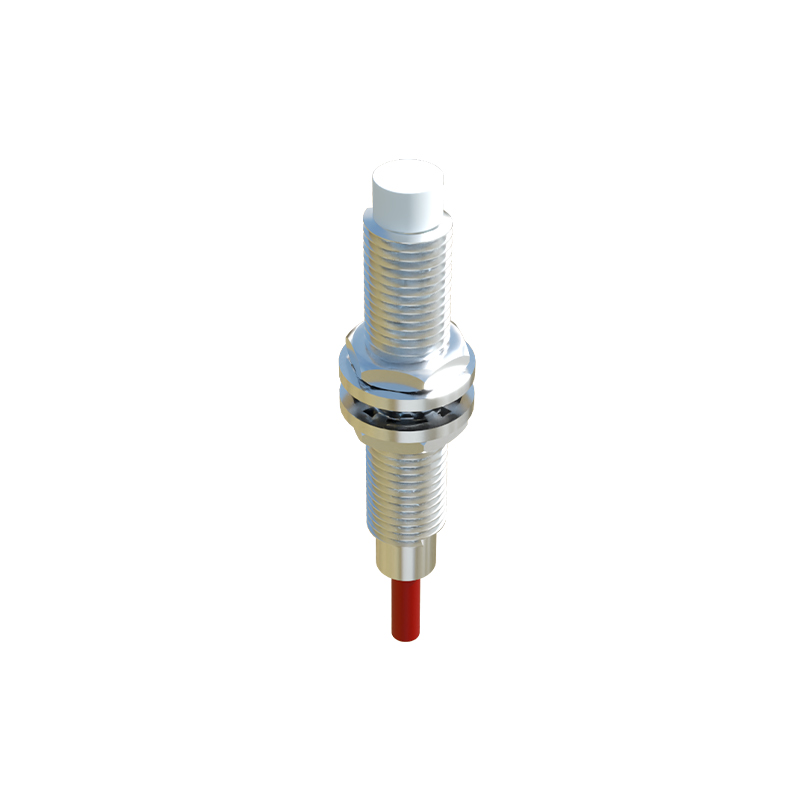
Furthermore, the sensing wire facilitates crucial diagnostic and functional capabilities. In advanced sensors with diagnostic outputs (like IO-Link or analog sensors), additional wires or enhanced communication protocols over standard wires carry information beyond simple on/off signals. These can include data on sensor health, operating temperature, detection range adjustments, and even identification parameters. The wire becomes a data highway, enabling predictive maintenance and smarter system integration. Even for standard sensors, the consistent electrical characteristics of the wire (resistance, capacitance) are factored into the sensor's design to ensure stable switching behavior and correct load driving capability.
In summary, the proximity sensor sensing wire is far more than a simple piece of insulated copper. It is a sophisticated component integral to the sensor's performance, acting as a protected signal transmission line, an EMI shield, a mechanical barrier, and an enabler of advanced functionality. Selecting a sensor with an appropriate cable type—considering length, shielding, jacket material, and connector—is as critical as choosing the correct sensing technology. A failure to appreciate the role of the sensing wire can undermine the reliability of even the most advanced proximity sensor, highlighting that in automation, every connection truly counts.